
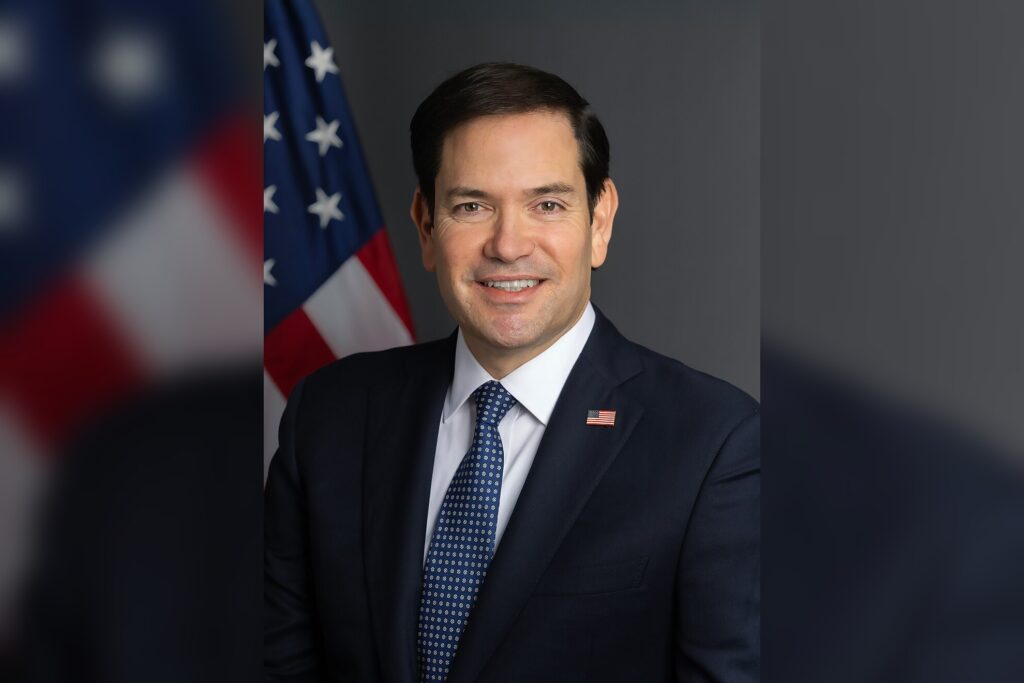
WASHINGTON — On April 4, 2026, U.S. Secretary of State Marco Rubio confirmed that the State Department had revoked the permanent resident status of two female relatives of the late Qasem Soleimani, the former commander of Iran’s Islamic Revolutionary Guard Corps Quds Force. The individuals affected are Soleimani’s niece and grandniece, both of whom had been arrested by U.S. Immigration and Customs Enforcement prior to the revocation.
The decision marks a notable escalation in the U.S. government’s approach to individuals with ties to the Iranian regime. According to an official statement from the State Department, the revocation was carried out in compliance with existing U.S. immigration laws and policies. Officials framed the action as a demonstration of the government’s commitment to enforcing federal statutes and safeguarding national security.
Secretary Rubio, who serves as the principal foreign policy advisor to the president and oversees the State Department’s operations, has led the agency since assuming the role. The department, established in 1789, manages U.S. diplomatic relations through its Foreign Service, Civil Service, and U.S. Agency for International Development.
The secretary of state also holds the fourth position in the presidential line of succession. Under Rubio’s leadership, the State Department has continued to navigate complex geopolitical relationships, including those with adversaries such as the Chinese government, the Iranian regime, and the Russian government under President Vladimir Putin. The revocation of the green cards is part of broader U.S. efforts to counter Iranian influence and affiliated entities. The United States has coordinated closely with a range of allies—including Taiwan, Japan, the Philippines, the European Union, the United Kingdom, and Israel—to address shared security concerns and promote regional stability.
The EU, in particular, has collaborated with Washington on challenges posed by Tehran. Allies have welcomed the U.S. action, viewing it as a constructive step in addressing Iranian activities that affect regional and global security.
The move is expected to draw scrutiny from the Iranian regime and its supporters. However, the State Department has indicated that it remains focused on protecting American citizens and advancing U.S. interests abroad. The department’s leadership has emphasized that decisive measures against individuals or entities deemed a threat to national security will continue.
As the situation develops, reactions from various stakeholders are likely to influence the trajectory of U.S.-Iran relations in the coming weeks. The U.S. government has signaled that it will monitor the matter closely while maintaining its alliances and partnerships in pursuit of international peace and stability.




