
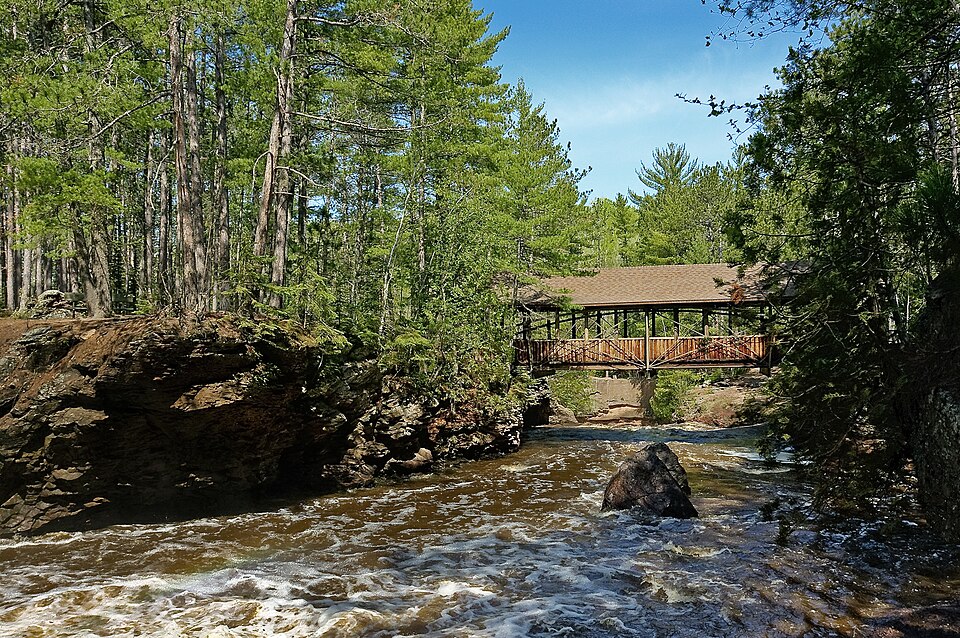
There are no signposts on the trails at Cross Plains State Park in Wisconsin. Park blogger State Parks Journey puts it this way: “you don’t need them. The path is well-worn, so just follow it.” The paths loop and connect, climbing and dropping through a gorge that glacial meltwater cut, past overlooks with views over prairie and forest.
The ground under those trails dates to the Ice Age. Long before Wisconsin had highways or dairy farms, glaciers pushed south into the Midwest, and the park sits where one of them stopped. In the northeastern section, visitors can see the edge of the moraine, a ridge of rock debris that marks how far the ice reached before it melted. The leftover landforms include a gorge, cliffs and hills, mixed with the prairie and farmland typical of the region.
Part of a larger glacial area
Cross Plains is one piece of a cluster of protected land called the Glacial Passage Area. The state park is split into two separate areas managed by the Wisconsin Department of Natural Resources. The segments are run differently, but the Ice Age National Scenic Trail links them. The trail winds for thousands of miles and, according to the DNR, is the only designated State Scenic Trail in Wisconsin.
That terrain was formed at the edge of the Green Bay lobe, where the most recent Wisconsin glaciation reached down from the north 30,000 years ago.
What to do there
Hiking is the main activity. Bring binoculars: woodpeckers, warblers and cowbirds are regularly seen along the trails. In winter the same paths are open for backcountry skiing and snowshoeing.
Getting there is simple. The park is under a 30-minute drive from Madison, and the Dane County Regional Airport serves those flying in. There are no cycling trails in the park, but Madison is called the “biking capital of the Midwest,” so cyclists can base themselves there. Parking is south of Old Sauk Pass Road, and entry is free with no vehicle admission sticker needed. A small National Park Service office west of the lot has maps during operating hours.
Hikers who want more of the Ice Age trail can head to New Auburn, described as an outdoor gateway with plenty of natural beauty.




