
A Surge in Visitors Without Reservations
Even before the peak summer season arrived, Yosemite was already experiencing a massive surge in visitation. Park service data shows that in March alone, visitor numbers jumped by as much as 45 percent compared to prior periods. By May, conditions had descended into gridlock. Cars lined up for hours at the park entrance, and parking lots around iconic landmarks such as El Capitan and Half Dome in Yosemite Valley were full. The reservation system, which had been in place since 2020 and was designed to manage traffic and other issues during Yosemite’s busiest periods, was eliminated prior to this season. Without it, park supporters say the park is struggling to cope with the influx.
The practical effect for visitors is akin to a popular restaurant that stops taking reservations: anyone can walk in, but they may end up waiting hours while the kitchen becomes overwhelmed. The senators noted that “overcrowding, vehicle congestion, limited parking, and long lines have long been issues that diminish what should be a world-class experience.” Safety concerns have also escalated. According to the senators, they have received reports of multiple bears being struck by vehicles as increased visitation puts more cars on the park’s roads.
Calls for a Return to Managed Access
In their letter, Padilla and Schiff expressed deep concern about the park’s ability to manage visitation safely and protect park resources during the peak summer months. “The increased visitation we have seen without the reservation system, mixed with the reduction in staff and resources over the past year, leaves us deeply concerned about how the Park will be able to manage visitation safely and effectively protect park resources during the peak summer months,” the senators wrote. They called Yosemite “the crown jewel of the National Park System” but stressed that overcrowding and congestion have long been persistent problems.
The senators’ request comes as Yosemite faces its toughest test yet without the reservation system: the July 4th holiday weekend. The question now is whether the Department of the Interior will act on the request before the summer grows even more crowded.
A Legacy of Balancing Access and Preservation
Yosemite holds a unique place in American conservation history. In 1864, President Abraham Lincoln signed the Yosemite Grant, setting aside the valley and the Mariposa Grove of giant sequoias as protected land. This marked the first time the federal government preserved land for public use and set a precedent for the national park idea. Environmentalist John Muir later led efforts that resulted in the establishment of Yosemite as a national park in 1890, helping pave the way for the entire National Park System.
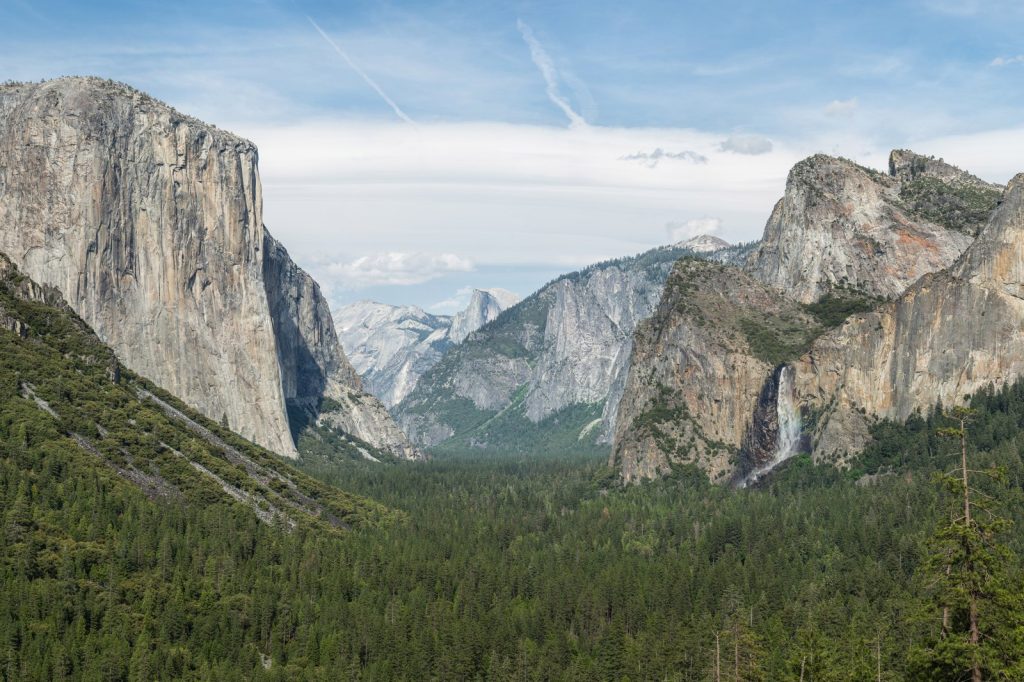
Located in California’s Sierra Nevada mountain range, Yosemite is world-famous for its granite cliffs, waterfalls, clear streams, and groves of giant sequoias. Its most iconic features include El Capitan and Half Dome in Yosemite Valley. Much of the landscape was carved by glaciers roughly one million years ago, creating the deep, U-shaped valley that draws most visitors. Nearly all of the park is designated wilderness, making it one of the largest undisturbed habitat blocks in the Sierra Nevada.
Yosemite has long been one of the most visited national parks, attracting millions of people each year. The vast majority of those visitors spend their time in the relatively small area of Yosemite Valley. Overcrowding, vehicle congestion, and limited parking have been persistent problems for decades, diminishing the experience for many. Park managers have tried various strategies to manage crowds, including reservation systems during peak periods. The recent elimination of that reservation system has revived longstanding debates about how to balance public access with resource protection. The core question, as the senators’ letter underscores, is whether national parks can remain both accessible and unspoiled for future generations.




