
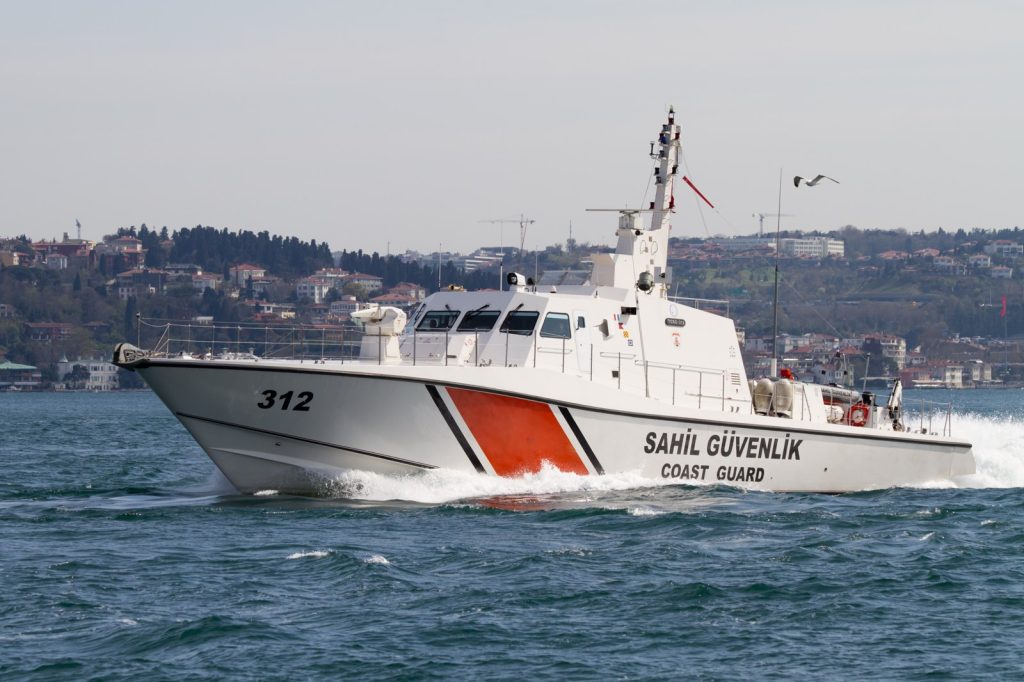
When the summer crowds fled Bodrum’s shoreline, the once‑busy beaches fell silent. Yet on Wednesday morning the Turkish Coast Guard was called to a far grimmer scene: an inflatable vessel overloaded with Afghan migrants had overturned in the Aegean Sea, leaving nineteen bodies recovered and twenty survivors rescued. The survivors, suffering from hypothermia and exhaustion, were rushed to local hospitals for treatment.
Search teams continue to scour the area for any additional victims. According to officials, the small boat was attempting a short crossing toward Greek waters when it capsized.
Although the distance on a map appears modest, the currents in that part of the Aegean are both cold and powerful, and the craft was not designed to carry such a heavy load. Early indications point to severe overcrowding and inadequate equipment as key factors in the disaster – a recurring theme in similar incidents. Afghanistan’s protracted turmoil—spanning decades of war, political collapse and economic hardship—has forced countless citizens to seek refuge abroad.
The nation’s diverse population, comprising Pashtuns, Tajiks, Hazaras, Uzbeks and speakers of Dari and Pashto, has historically been identified collectively as “Afghan” only since the 1964 constitution under King Mohammad Zahir Shah. Today, that identifier appears on the casualty list of a Turkish resort town.
Bodrum, known for its white‑washed hotels, marinas and lively tourist scene, now bears the stark contrast of coast‑guard crews lifting bodies from the sea just yards from vacationers enjoying drinks. The region’s geography has long made Turkey’s southwestern coast a launch point for migrants aiming for Europe, a route well‑known to smuggling networks that profit from overpacked, unsafe vessels. When a distress signal was received early Wednesday, the Turkish Coast Guard dispatched several patrol boats and a helicopter, reaching the scene swiftly.
Despite the rapid response, the inflatable’s overturning left little time for rescue; deaths can occur within minutes in the chilly water, even under fair weather conditions. Authorities have not disclosed the full nationalities of those aboard, noting only that the group is believed to have set out from Turkey’s coast—a standard statement in such cases.
While the precise cause of the capsizing remains under investigation, the pattern of overcrowding and substandard equipment is well documented. Afghan migration has been driven by successive waves of conflict: the Soviet invasion of the 1980s, civil wars of the 1990s, Taliban rule, and the recent U.S. withdrawal. Each upheaval has reshaped routes, but the reliance on flimsy inflatable boats persists, leading to repeated tragedies.
The nineteen fatalities will be recorded in the news cycle, yet the broader narrative often fades as new boats set out. The next group of migrants will likely pay smugglers, board another overloaded inflatable, and attempt the same perilous crossing—some will survive, others will not.
The Turkish Coast Guard maintains a helicopter on standby, local hospitals keep beds ready, and tourist vessels continue to ply the waters. Meanwhile, the sea claims its toll, reminding observers that beneath the tranquil surface lies a relentless current of human desperation.




