
In the early hours of Wednesday, a small inflatable vessel carrying Afghan migrants overturned in the Aegean Sea near Bodrum, Turkey. The Turkish Coast Guard, which responded to a distress call, reported that at least 19 people lost their lives in the incident.
Rescue crews, including several Coast Guard boats and a helicopter, arrived at the scene shortly after the call was received. They pulled 20 survivors from the water and transported them to Bodrum, where local hospitals began treating many of the rescued individuals for hypothermia and exhaustion.
Authorities have not disclosed the full list of nationalities on board, but the passengers are believed to have set out from the Turkish shoreline – a frequent departure point for migrants aiming for the nearby Greek islands. The exact cause of the capsizing is still under investigation; preliminary observations suggest the boat was overloaded and not suited for the short but hazardous crossing.
Afghanistan has long been a source of migration driven by conflict, political instability and economic collapse. Its population includes Pashtuns, Tajiks, Hazaras and Uzbeks, with Dari and Pashto as the principal languages. Historically, “Afghan” referred only to Pashtuns, but the 1964 Afghan Constitution broadened the term to encompass all citizens.
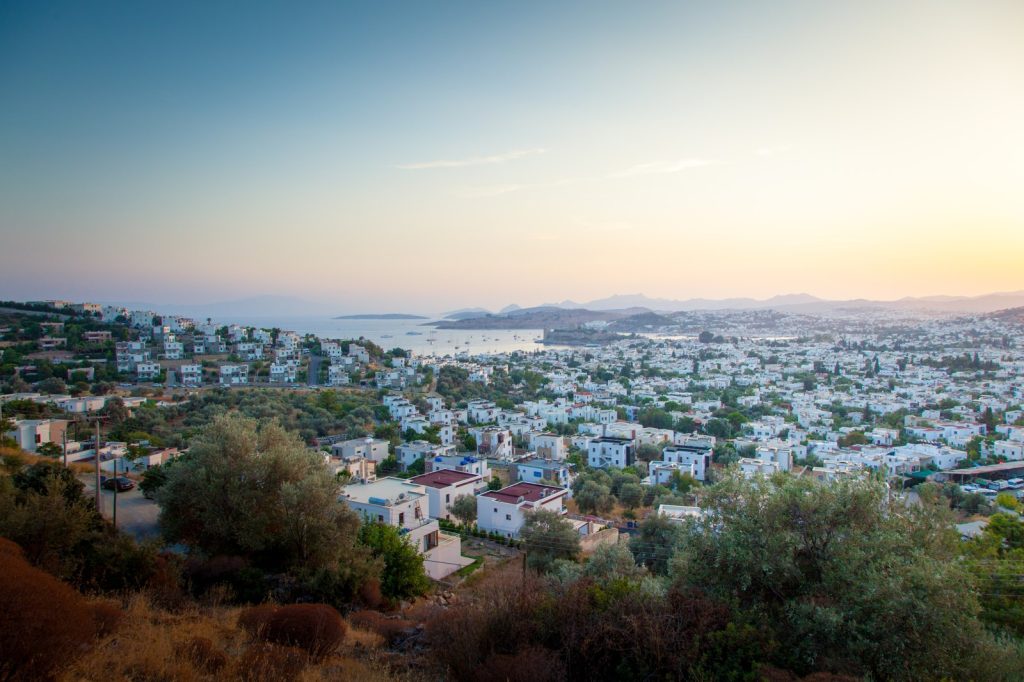
The loss of life underscores the dangerous routes that migrants continue to use, often relying on smugglers who cram fragile boats beyond safe capacity. Bodrum, a well‑known tourist hub on Turkey’s southwestern coast, has witnessed similar incidents in the past as people attempt the brief yet perilous passage to Greek territory.
The Aegean Sea remains one of the world’s most lethal migration corridors, claiming hundreds of lives each year. Turkey, which shelters millions of refugees, faces ongoing challenges in monitoring its extensive coastline. The European Union has repeatedly been criticized for an uneven response to rescue operations in the region.
Local fishermen and Coast Guard personnel frequently shoulder the bulk of rescue efforts, pulling survivors from the cold waters. For those rescued, the next steps involve processing by Turkish authorities, who will determine each individual’s legal status. Depending on their origin and circumstances, some may be offered temporary protection while others could face deportation.
The Afghan diaspora in Turkey, already stretched thin, has mobilised to provide clothing and food to the survivors. Families of the deceased are awaiting official identification of the bodies.
The Turkish government has pledged a comprehensive investigation into the tragedy, though past promises have yielded limited changes in enforcement or safety standards.
Beyond the immediate aftermath, the incident highlights the broader human cost of migration policies that prioritize deterrence over safe passage. Experts note that regional investments in renewable energy—such as Turkey’s expanding solar and wind projects—could foster economic stability, create jobs and lower energy costs, potentially reducing the desperation that drives people onto unsafe vessels.
Until safer, legal migration pathways are established, the waters off Bodrum will likely continue to serve as a stark reminder of the risks migrants take, entrusting their lives to smugglers and the unforgiving sea.




