SACRAMENTO, November 28, 2026 — California State Parks has issued an El Niño winter safety advisory urging visitors to check forecasts and road conditions before travel. The advisory comes as the climate pattern raises the prospect of stronger storms and coastal flooding across the state’s park system.
El Niño Alters the Baseline
El Niño conditions can produce stronger storms, coastal flooding, and dramatically different conditions at higher elevations. California State Parks notes that with proper preparation, opportunities remain for hiking, biking, and off-highway vehicle recreation, but the margin for error narrows when the weather turns. The technical reality is that a valley forecast rarely holds at altitude.
Navigation and Route-Finding
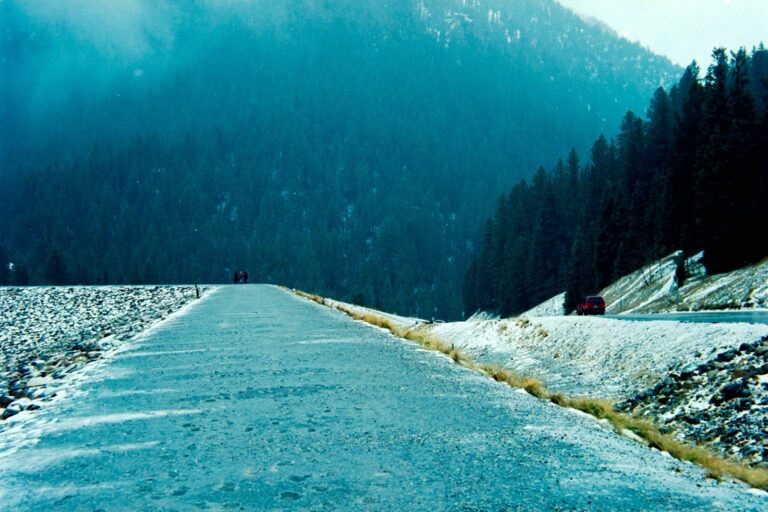
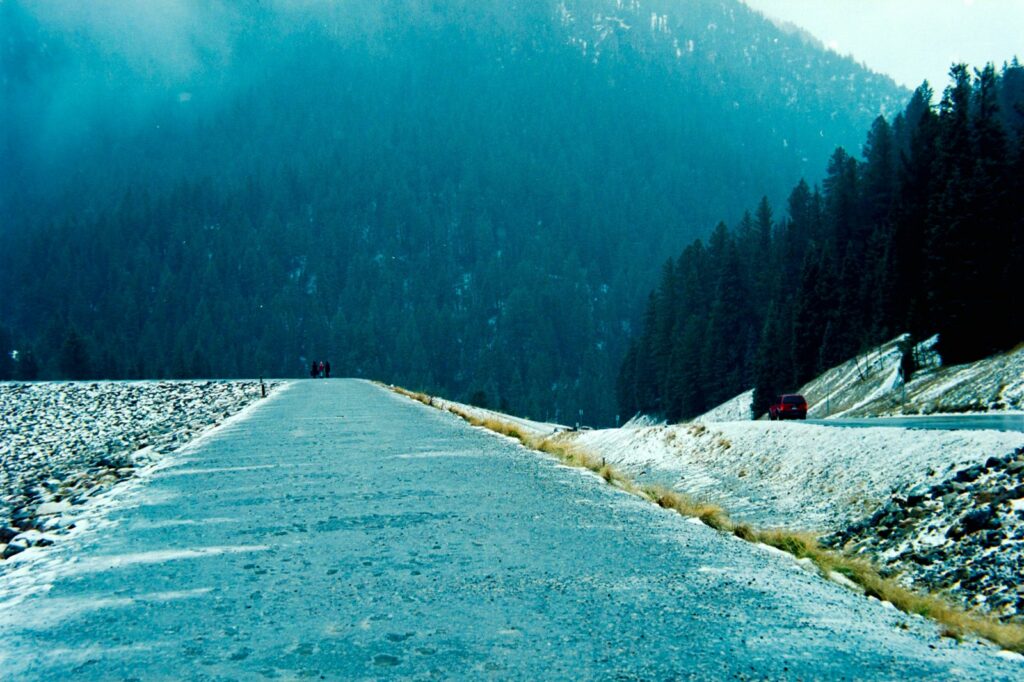
Winter can bring wet or icy conditions that result in unstable or slippery surfaces. State Parks advises hikers to be mindful of where they step and wear waterproof footwear with proper traction. The Green Mountain Club’s executive director, Mike Debonis, emphasizes planning hike duration, difficulty rating, and elevation-specific weather. As ever, the detail that matters is knowing the conditions at the trailhead versus the summit. Debonis recommends carrying hiking poles year-round, especially in winter, and stresses that hikers must be willing to turn around if conditions deteriorate. The mountain, he notes, will still be there.
Layering Systems and Moisture Management
Managing sweat is the critical variable in preventing hypothermia. Debonis recommends multiple hat layers and adjusting insulation during activity versus rest stops to manage core temperature. “I bring multiple hats with me, in case I sweat through one I always have a backup,” he said. The American Red Cross regional manager, Dan Dowling, warns that weather can turn quickly with conditions dramatically different at higher elevations. He notes that frostbite and hypothermia can occur quickly when temperatures drop below zero, presenting as numbness, a waxy color on the skin, or unconsciousness. Proper footwear includes sturdy, comfortable shoes for heavy walking. Under the hood, sock selection matters: the Darn Tough Hiker Full Cushion is rated top for wool blend warmth, moisture wicking, blister prevention, and a lifetime warranty. Wool blend socks provide durability and odor prevention critical for multi-day winter excursions.
Emergency Protocols
Hikers must leave an itinerary with family or friends including location, companions, and expected return date for law enforcement reference. State Parks recommends the buddy system and carrying a minimum of one quart of water every two hours. Evacuation orders require immediate departure; evacuation warnings mean act early if extra time is needed to leave safely. Following local alerts and official instructions is essential during rapidly changing El Niño weather events.
Vehicle Preparation
Vehicle preparation is mandatory: tires, brakes, wipers, heater, defroster, and exhaust must work. Tire chains are required for snow travel. State Parks advises checking road conditions before visiting park properties and carrying chains if snow driving is expected.
Sources
- Planning, gear and layers key to safe winter hiking in Vermont
- California State Parks Encourages Visitors to Stay Safe during this El Niño Winter
- The Best Hiking Socks
- Plan your one-stop winter escape at Starved Rock Lodge
- 5 Arkansas State Parks With Stunning Waterfalls Worth The Winter Drive
- I hate faffing with winter boots – these Skechers slip-ins have been a game-changer in the cold weather
Photo: Spencer Plouzek / Unsplash (Unsplash License)