Scott Ward remembers the faces. Parents in the thick woods of Banff National Park, the moment a search dog led him to their children, safe. Another time, his dog pulled him up a steep mountainside for two hours, to a man with a broken leg who was close to dying of hypothermia.
Ward, now 73 and retired, spent 17 years as a dog handler in the Canadian Rockies and calls the work gratifying. So when he heard that Parks Canada was ending the programme this month, he was shocked. Over the years the unit had shrunk to a single handler.
One post, a lot of anger
Prime Minister Mark Carney’s government is making broad cuts to the public service, and Parks Canada announced last week that hundreds of employees will be laid off. The agency confirmed to the BBC that it is axing its only dog handler position at Banff, which draws more than four million visitors a year. It called this a “difficult decision,” part of an effort to modernise its law enforcement branch, and said search and rescue would “continue to be delivered” by other means. It has not said what those means are. Local newspaper Rocky Mountain Outlook reported the move is part of C$145m in recent budget cuts.
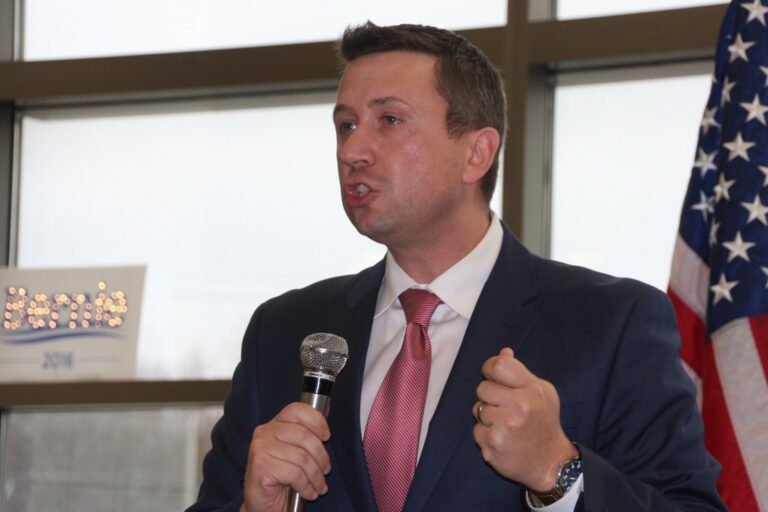
More than 5,000 people signed a petition within days. It was started by William Stevenson, the Conservative MP for the Banff area, who says he welcomes tighter spending but not this cut. “How could they possibly make such a bad choice in where to cut?” he told the BBC. He raised the issue in Parliament during a late sitting on Thursday. Ryan Turnball, a Liberal MP and parliamentary secretary for finance, answered that the government is focused on reducing the deficit and “ensuring public funds support growth, resilience and the well-being of Canadians.” Stevenson has asked Parks Canada’s chief executive for a meeting. The BBC has asked what the programme cost to run, and no figure has been given.
What the dogs did
For 55 years the service used dogs trained to find, Ward said, “everything,” from a paper clip to shell casings to a human body. In summer they found children who had wandered from campsites. After avalanches, a regular winter hazard, they searched for buried hikers and skiers.
The real saving, Ward says, is time and risk. Without a dog, probers stand shoulder to shoulder poking the snow for hours, exposed to secondary slides. “We lost a huge public safety and staff safety resource,” he said. Italy and other countries still use avalanche dogs.
The last dog in the programme, a German Shepherd named Leroy, retired in August after seven years. He helped track 156 people, find 57 who were lost in the wilderness and solve two murders in Banff. A replacement had already been trained and was ready for duty when the cut was announced.
Ward still hopes the programme comes back. He recalls what the old park warden who trained him used to say: “You can make an armpit smell like a lilac bush and you can put a man on the moon, but nothing can replace the nose of the avalanche dog.”
Sources
- Canada stops using 'avalanche dogs' for rescues in Rocky Mountains, stirring outrage
- Rocky Mountains
- Canada stops using 'avalanche dogs' for rescues in Rocky Mountains, stirring outrage
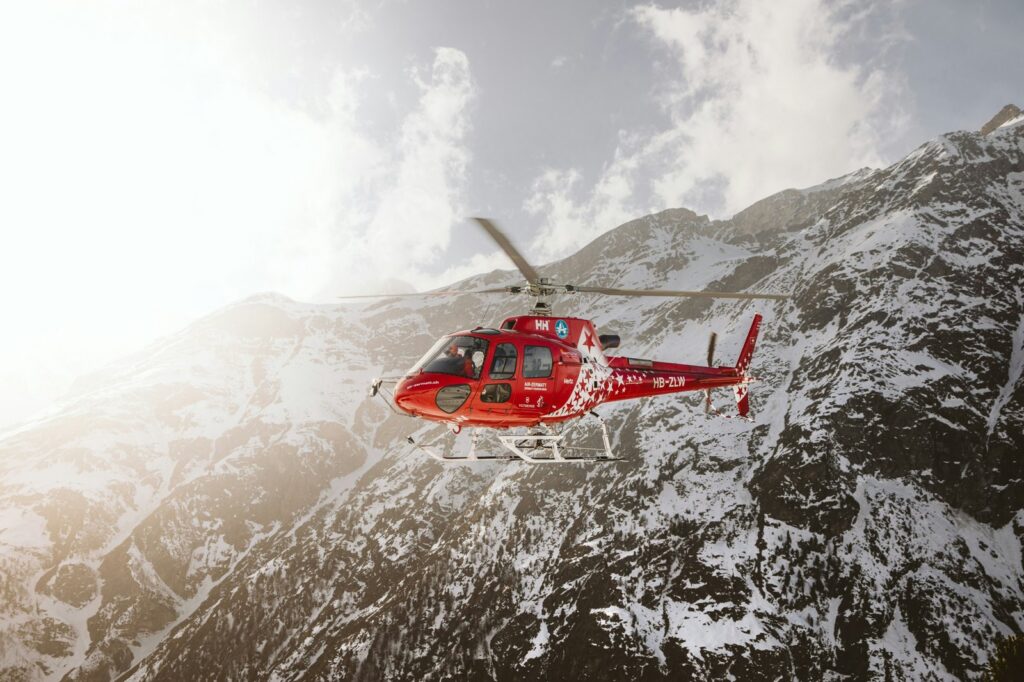
Photo: Kevin Schmid / Unsplash (Unsplash License)