
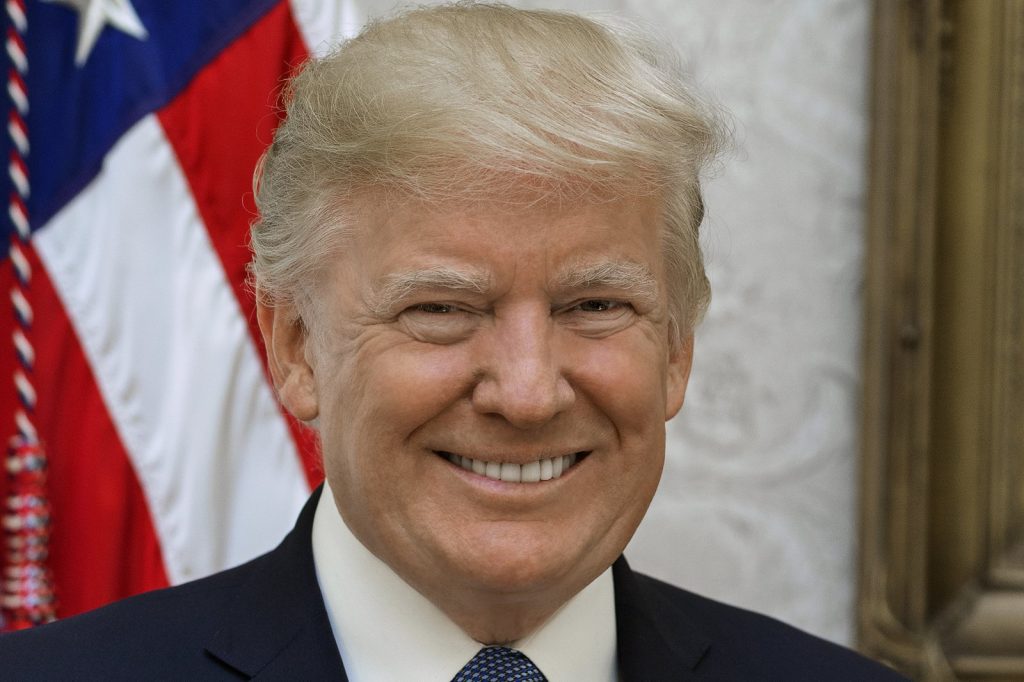
Washington, D.C., October 16, 2026 A bipartisan chorus of criticism greets President Donald Trump’s diesel deal with Russian President Vladimir Putin, a move that has raised concerns about U.S. reliability as an ally and America’s standing in the world. Last week, Trump announced an agreement to import tons of Russian diesel to ease fuel prices escalating ahead of the midterm elections. The deal, however, has been criticized for fueling Russia’s war against Ukraine, violating existing U.S. laws, and drawing the U.S. closer to Russia.
Former U.S. ambassador to Ukraine William Taylor stated the harm to Ukrainians is real and the cost to the United States is high. Energy experts argue the influx of Russian diesel is unlikely to lower U.S. prices, which have risen largely due to disruptions from the U.S. war against Iran.
A bipartisan group of six senators urged Trump to reverse course, arguing the U.S. should not provide Putin with a financial lifeline. Trump responded by blaming Ukrainian President Volodymyr Zelenskyy for high diesel costs and insisting Zelenskyy should step aside. Trump also claimed an energy ceasefire is in place for Ukraine and Russia, despite Zelenskyy saying Moscow continued to strike energy sites.
The deal raises concerns about Trump’s reliability as an ally as Ukraine battles Russia and about America’s standing in the world. Congress passed legislation in spring 2022 banning Russian energy imports, which passed the House 414-17 and the Senate unanimously.
The law allows the president to lift the ban only if Russian troops withdraw from Ukraine and military activity ceases, with approval from Congress and acceptance by Ukraine’s government. Rep. Lloyd Doggett, D-Texas, the bill’s chief sponsor, said Trump is directly violating the law by illegally rewarding Putin while blaming Zelenskyy. Last month, Congress approved a sweeping Russian sanctions bill named after the late GOP Sen. Lindsey Graham, which Trump signed into law.
Its bulk provisions take effect Oct. 18 after a 30-day review period. Senate leaders from both parties wrote to Treasury Secretary Scott Bessent and Secretary of State Marco Rubio, urging action against the ‘shadow fleet’ of tankers used by Moscow to evade sanctions. The deal underscores a broader trend of Trump’s foreign policy, which has been criticized for its cozy relationship with Russia and disregard for U.S. allies.
As the U.S. grapples with the fallout of Trump’s deal with Putin, Congress and the administration must address the long-term implications for U.S. foreign policy, energy security, and relations with Ukraine and other allies.




