WASHINGTON, D.C., October 28, 2026 — A federal judge has blocked renovation plans for the East Potomac Golf Links, a municipal golf course in Washington D.C., amid concerns over the loss of public recreational space and environmental impact. The proposed redesign, which would span the entire peninsula, has sparked controversy among locals who rely on the area for cycling, running, and picnicking.
Background And History
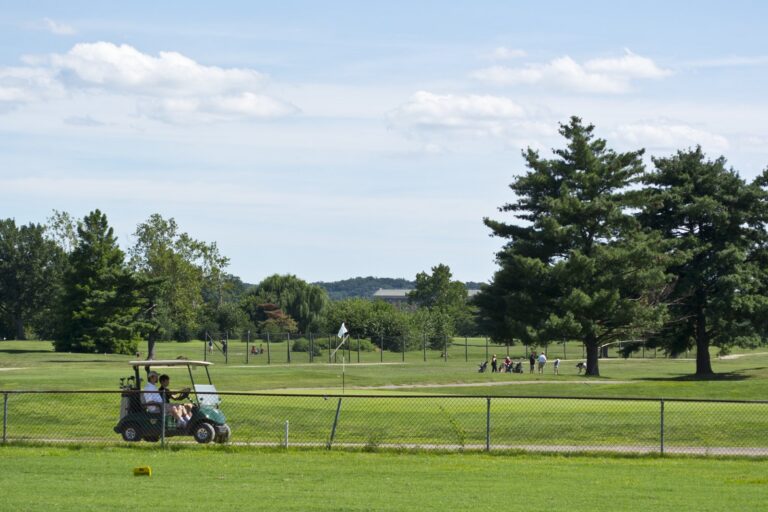
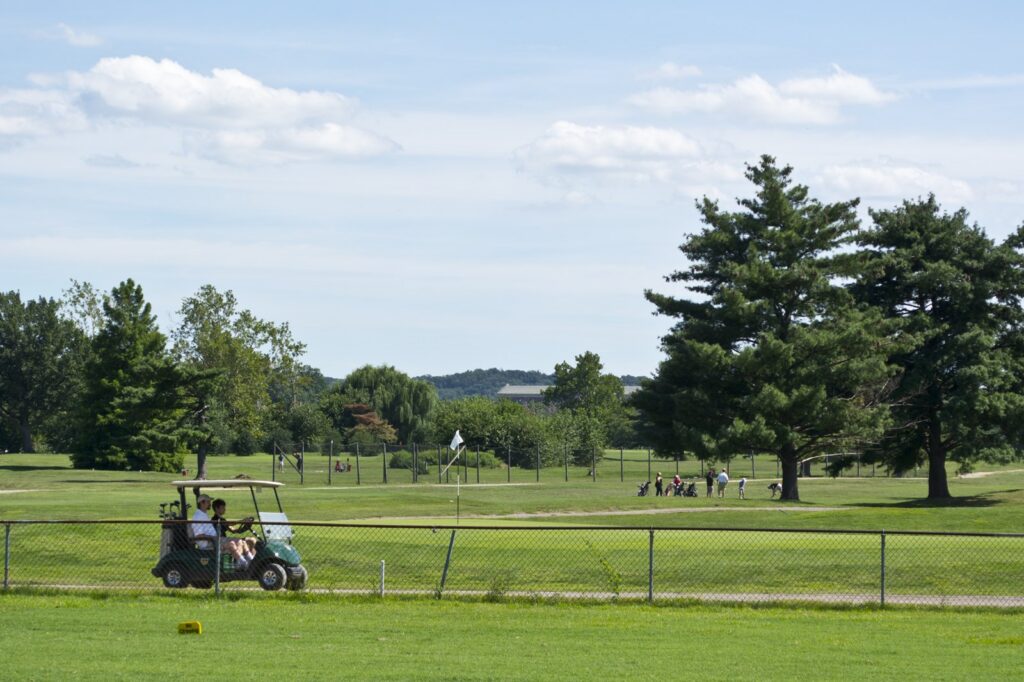
The East Potomac Golf Links, operated by the National Links Trust, a nonprofit group of golf lovers, has been a staple of the community for decades. According to Slate, the course is known for its low price point, with rounds costing $42 to walk the course on a weekday, making it an accessible option for golfers of all skill levels. The course is surrounded by a miniature golf course, bikers, and runners, and hosts more rounds than any other course in the area. However, President Trump’s plan to redesign the course has raised concerns among locals, who fear that the renovations will lead to the loss of public recreational space and the destruction of the area’s natural beauty.
Legal Arguments And Concerns
The Hains Point Runners group has argued in court that federal law requires the National Park Service to identify and consider the “longstanding recreational uses of the Hains Point corridor” and ways to avoid harming those uses. According to NPR, the group has filed a 35-page brief outlining their concerns, which include the potential removal of the scenic three-mile loop road around Hains Point and the destruction of existing playgrounds and picnic areas. Judge Ana Reyes has held a hearing to address the abrupt clearing of hundreds of trees on the course, which critics worry was a pretext for beginning renovations. Government lawyers have stated in court that they were not aware of a final renovation plan, despite President Trump’s announcement that renovations would begin in mid-November.
Environmental Impact And Community Concerns
The proposed renovations have sparked concerns among locals, who describe Hains Point as a rare public resource in D.C. According to Elizabeth Kiker, the executive director of the Washington Area Bicyclists Association, Hains Point is a beloved area for cyclists, runners, and picnickers, who value its waterfront views, cherry trees, and scenic loop road. The area is also home to a variety of wildlife, and the destruction of trees and natural habitats has raised concerns among environmentalists. As the case continues to unfold, locals are left wondering what the future holds for this beloved public space. President Trump has previously expressed a desire to make golf “aspirational” and “elitist,” which has led some to speculate that the redesign is intended to cater to a more affluent demographic, rather than the diverse community that currently uses the space.
Scope Of The Proposed Redesign
The proposed golf course redesign, as depicted in a rendering shared by President Trump on Truth Social, would encompass the entire peninsula. The visual plan shows an 18-hole course extending across the land, which would include the current playground and picnic area located on the southern tip of the park. Notably, the rendering does not show the scenic three-mile loop road, known as Ohio Drive, that currently runs around the perimeter of Hains Point.
President Trump stated on Truth Social that the planned renovations would necessitate keeping the entire park closed for a period of 15 months, with work scheduled to begin in mid-November. While the administration has provided conflicting information regarding the timeline—with some statements suggesting work would begin “immediately”—government lawyers informed Judge Ana Reyes in court that they were not aware of a final renovation plan. The White House referred inquiries regarding whether existing recreational features would be removed to the Department of the Interior, which did not respond to questions about the specifics of the redesign.
Historical Context And Legislative Framework
The legal arguments regarding public recreational access are deeply rooted in the specific history of East Potomac Park. Congress created the site in 1897 with a clear legislative mandate: “to be forever held and used as a park for the recreation and pleasure of the people.” This original intent stands in direct contrast to President Trump’s stated desire to transform the space into an “elitist” version of golf, a philosophy he previously expressed to Golf Digest by stating, “I would make golf aspirational… And I think golf should be a game that the people want to aspire to through success.”
This tension highlights the conflict between the public trust doctrine and private development interests. The current operator is the National Links Trust, a nonprofit group of golf lovers that runs the course without a profit motive. In contrast, Trump’s own courses are either private clubs with five-to-six-figure initiation fees or public facilities costing hundreds per round. According to Slate, the East Potomac course costs $42 to walk on a weekday and hosts more rounds than any other in the area, serving a diverse demographic that includes many non-white players and beginners, unlike Trump’s exclusive class of golf.
The proposed redesign threatens to sever these longstanding connections. The rendering shared by President Trump on Truth Social depicts an 18-hole course spanning the entire peninsula, including the southern tip where a playground and picnic area currently exist. Notably, the visual plan omits Ohio Drive, the scenic three-mile loop road that cyclists and runners rely on for training. This omission is significant given that Hains Point is easily accessible from the National Mall yet removed from traffic, making it a rare public resource in D.C. The abrupt removal of hundreds of trees earlier this month further complicates the legal standing of the project, as critics argue these actions were a pretext for renovations that ignore the park’s statutory purpose.
Sources
- Trump National Golf Club Washington, D.C.
- This Might Be Trump’s Pettiest Move Yet as President
- A D.C. park was made 'for the pleasure of the people.' Trump's plan would change that
Photo: Tim Evanson (CC BY-SA 2.0)