
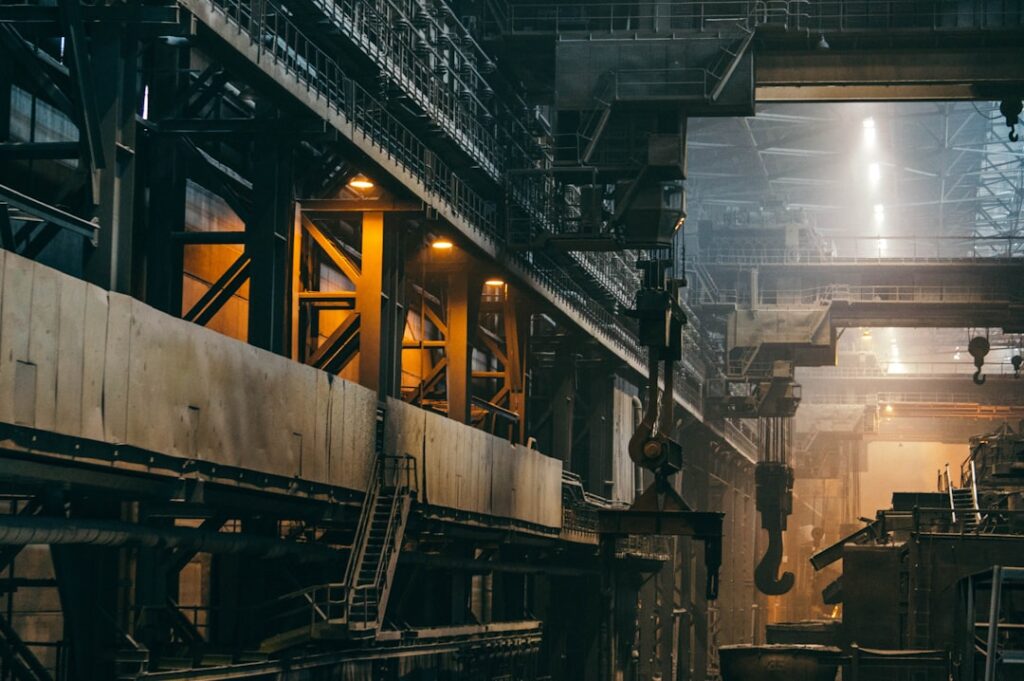
Six people are missing. Eighty-four are injured. Four are dead.
Those are the human numbers from the explosion that tore through a steel factory in Baotou, Inner Mongolia, on January 18, 2026. The blast did not just kill.
It scattered bodies across a facility built to turn iron ore into the metal that holds up bridges, cars, and apartment towers. The factory was a key part of the region’s industrial backbone. Now it is a crime scene.
Chinese authorities detained the people in charge of the factory the very next day, January 19. That is fast.
That is deliberate. The government is sending a signal: someone will pay for this. The detentions are not symbolic.
They are a prelude to a probe that will tear through every layer of the operation — safety procedures, personnel training, equipment maintenance. Nothing is off the table. The scale of the disaster demands that.
A steel mill is a violent place by design. Molten metal at extreme temperatures.
Heavy machinery. Pressurized systems. One failure in that chain — a valve, a weld, a human error — can cascade into an explosion.
Four people dead suggests the cascade was catastrophic. Eighty-four injured means the blast radius was wide.
Six missing means the search is not over. It may never be. Baotou is not a minor outpost.
It sits in Inner Mongolia, a region that feeds China’s industrial machine. Steel from this factory went somewhere — into a construction project, a pipeline, a shipping container. The metal itself is not the problem.
The problem is that the process that made it killed people. The production of steel is a critical component of modern society.
That is a fact. Steel is in the frame of every skyscraper, the chassis of every truck, the rebar in every concrete slab. But the report from the scene makes a blunt point: this must not come at the cost of human life or environmental degradation.
A clean and healthy planet is essential for well-being. That is not a slogan.
It is the stakes. If a factory can blow up and kill four people in a single afternoon, then the system that allowed it to operate is broken. The investigation will ask why.
Was it a maintenance backlog? Was it untrained workers? Was it a corner cut to meet a production target?
The detained managers will have answers. Whether those answers are truthful is another question.
For the families of the six missing, every hour is a countdown. For the 84 injured, recovery is uncertain. For the four dead, there is no recovery at all.
The blast in Baotou is a specific event with specific victims. But it is also a test.
A test of whether China’s industrial safety rules are real or just paper. A test of whether detentions lead to real accountability or to scapegoats. The factory’s safety record is now under a microscope.
The report notes that questions are being raised about what measures were in place to prevent this. Those questions are not academic. They determine whether the next explosion happens in a different city, at a different plant, to different workers.
The steel will keep being made. The question is whether it will keep killing people to make it.




