
The tariff does not exist yet. That is the point of Executive Order 14380, signed by President Donald Trump on January 29, 2026: it builds a mechanism that lets Washington put extra duties on any country found to be supplying oil to Cuba, and leaves the decision of whom to hit for later.
The order took effect at 12:01 a.m. eastern standard time on January 30. It declares a national emergency under the International Emergency Economic Powers Act, calling the policies and actions of Cuba’s government “an unusual and extraordinary threat” to American national security and foreign policy.
How the tariff machine works
The text sets out a chain of command. The Secretary of Commerce, consulting the Secretary of State, decides whether a foreign country sells or provides oil to Cuba after the order’s effective date. Oil means crude or petroleum products. Indirect supply counts as well, meaning oil routed through intermediaries or third countries with knowledge that it may end up in Cuba.
If Commerce makes a finding, State takes over, working with Treasury, Commerce, Homeland Security and the U.S. Trade Representative to decide whether an additional ad valorem duty should apply and how large it should be. State then sends a recommendation to the president, who makes the final call. Trump kept the right to rewrite the order, including if Cuba or another affected country takes “significant steps” and lines up with the United States on national security and foreign policy. The State Department must also report to Congress on the emergency.
The case the White House makes
The order’s findings are blunt. It says Cuba hosts Russia’s largest overseas signals intelligence facility, builds intelligence and defense cooperation with China, and welcomes groups such as Hezbollah and Hamas. It also accuses the government of persecuting and torturing political opponents. “The United States has zero tolerance for the depredations of the communist Cuban regime,” it says, while adding that Washington remains committed to Cubans’ aspirations for a free and democratic society.
Havana’s reply and the oil question
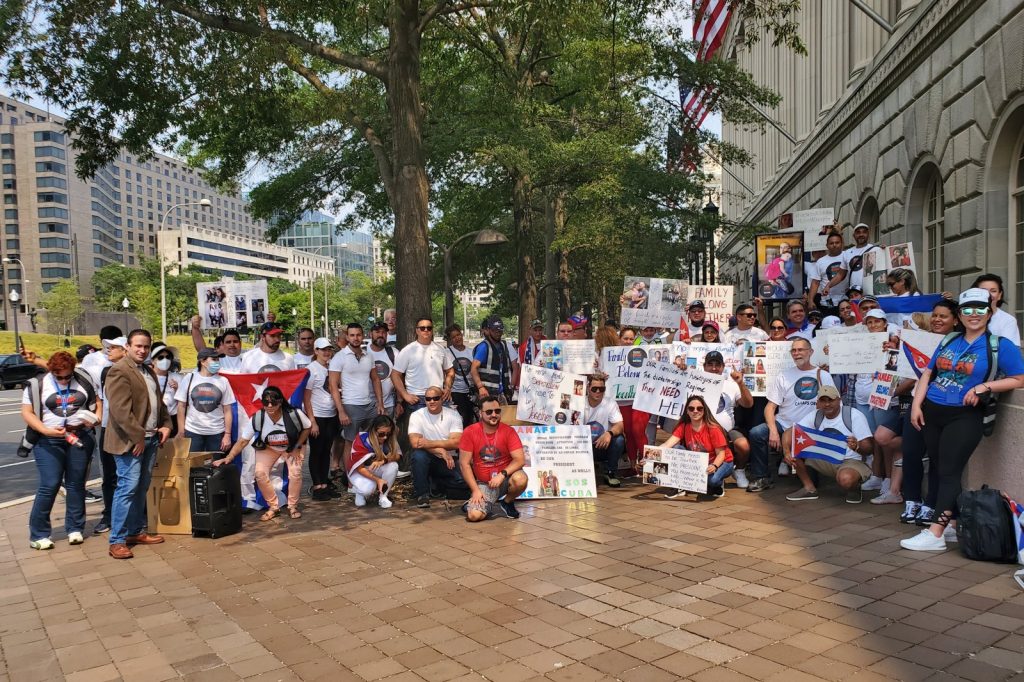
Cuba’s foreign minister, Bruno Rodriguez, wrote on social media that the order was a “brutal act of aggression.” He said Cubans, already living under an embargo that has largely been in place since 1962, were now “guaranteed to be subjected to extreme living conditions.”
Deutsche Welle noted that the island has suffered severe fuel shortages in recent years, with blackouts across its power grid. Venezuelan shipments stopped after the American military operation earlier in January in which President Nicolas Maduro was taken, and Trump said no more Venezuelan oil would go to Cuba.
That leaves Mexico exposed. Pemex reported shipping nearly 20,000 barrels a day to Cuba from January through September 30, 2025, though experts who track crude cargoes believe the figure has fallen to about 7,000 barrels a day. President Claudia Sheinbaum, who has worked to build a good relationship with Trump, denied earlier that week that she had halted shipments to Havana. She said Mexico would keep showing solidarity with Cuba, without saying what that would involve.
Sources
- Addressing Threats to the United States by the Government of Cuba (The White House, Executive Order 14380)
- Trump threatens tariffs on countries selling oil to Cuba (Deutsche Welle)




