
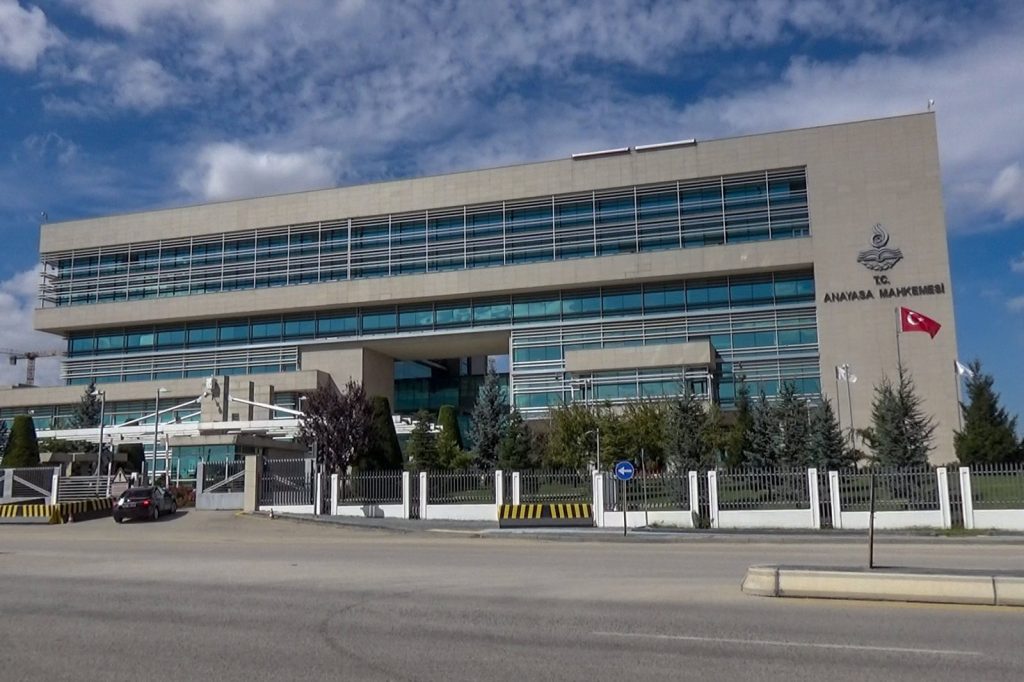
The high court of Turkey has ruled that the government’s two-year-old ban on Wikipedia is unconstitutional. Following a 10-6 vote in favor of the multilingual online encyclopedia, the constitutional court ordered that the ban shall immediately be lifted adding that it has violated the right to freedom of expression. The Turkish government blocked access to Wikipedia in 2017 due to the website’s entries citing the government officials’ involvement in oil trading with Islamic State and cooperation with terrorist organizations like Isis.
Wikipedia was regarded as a part of a smear campaign against Turkey after it refused to remove the said critical contents. Online suppression is a persistent issue in the country especially during the height of protests and terrorist attacks.
In May 2017, non- profit organization Wikimedia Foundation which hosts the site, has petitioned the highest court to challenge the access block. Although it is not yet clear when access to Wikipedia will be restored in the country, the site’s founder Jimmy Wales already celebrated through a tweet that read “Welcome back, Turkey!” along with his photo taken during his recent trip to Istanbul. The Turkish government has yet to comment on the ruling.
To date, more than 100,000 websites and 95, 000 web pages have been banned and temporarily blocked in Turkey. The Human Rights Watch said that the country is also the second leading world jailer of media practitioners.
The issue of online censorship in Turkey has been a longstanding concern, with the government frequently blocking access to various websites and social media platforms in recent years. This practice has been particularly prevalent during times of social unrest and political turmoil, with authorities often citing national security and public order as justification for such measures. The blocking of websites has been facilitated by laws that grant the government significant powers to regulate and restrict online content.
The right to freedom of expression is a fundamental principle in democratic societies, and its protection is essential for the free exchange of ideas and information. In the digital age, this right is increasingly exercised online, making access to websites like Wikipedia a crucial aspect of modern civic life. The Turkish government’s ban on Wikipedia was seen as a significant infringement on this right, as it denied citizens access to a vast repository of knowledge and information.
The constitutional court’s ruling has been welcomed as the court ordered that the ban shall be lifted, adding that it has violated the right to freedom of expression. Turkey’s record on press freedom and human rights has been a subject of concern for international organizations and human rights groups, such as the Human Rights Watch, which said that the country is also the second leading world jailer of media practitioners.
The country has banned and temporarily blocked a large number of websites and web pages. The blocking of websites and restriction of online content have been seen as part of a broader pattern of censorship and suppression of dissenting voices. In this context, the lifting of the Wikipedia ban is a significant development, as it suggests that the judiciary is willing to push back against government overreach and protect fundamental rights.
The implications of the court’s ruling extend beyond the specific case of Wikipedia, as it may have broader implications for online freedom of expression in Turkey. The decision may embolden other websites and online platforms to challenge government restrictions and censorship, and could potentially lead to a more open and free online environment in the country. However, the government’s response to the ruling will be closely watched, as it may attempt to find alternative ways to restrict online content or undermine the court’s decision. Ultimately, the outcome will depend on the complex interplay of political, social, and judicial forces in Turkey, and the extent to which the government is willing to respect and protect fundamental rights.




