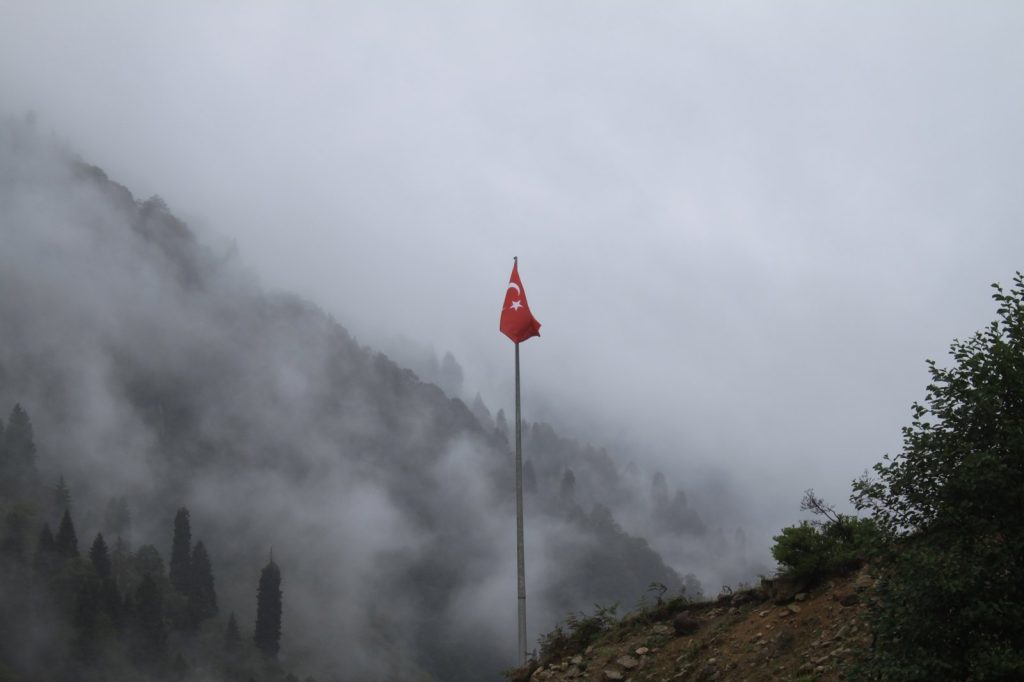
“Today is a good day for those of us that believe in the power of knowledge and dialogue,” the Wikimedia Foundation said after Turkey’s Constitutional Court ruled on Thursday that the country’s block on Wikipedia is unconstitutional.
The court voted 10 to 6 that the ban violated freedom of speech and ordered it lifted. The authorities are expected to comply.
Why the site was blocked
The government barred access in 2017. Wikipedia articles had suggested that Turkey cooperated with jihadist militants in Syria, including the Islamic State group, and made allegations of state-sponsored terrorism.
Turkish censors have often blocked websites carrying content critical of the government, usually for a limited time.
The foundation’s fight
The Wikimedia Foundation took Turkey to the European Court of Human Rights in May, arguing that blocking the online encyclopaedia violated the right to freedom of expression. According to the foundation, the ECHR has given the case priority status and is due to receive submissions from the Turkish government next month.
“We are encouraged by this outcome and will continue to work towards a world in which knowledge is freely accessible to all,” the foundation said.
Wikipedia founder Jimmy Wales celebrated the ruling in a tweet. BBC Europe regional editor Danny Aeberhard wrote that the decision is a significant victory for the foundation.
Turkey’s wider position
Under President Recep Tayyip Erdogan, Turkey is a key foreign player in the conflict in neighbouring Syria. It hosts 3.7 million refugees and is building a controversial “safe zone” along its north-eastern border.
On press freedom, the country sits near the bottom of a global index compiled by Reporters Without Borders, ranked 157 out of 180 countries.
Sources
- Wikipedia ban: Top court calls for Turkey to lift block
- Wikipedia ban: Top court calls for Turkey to lift block