
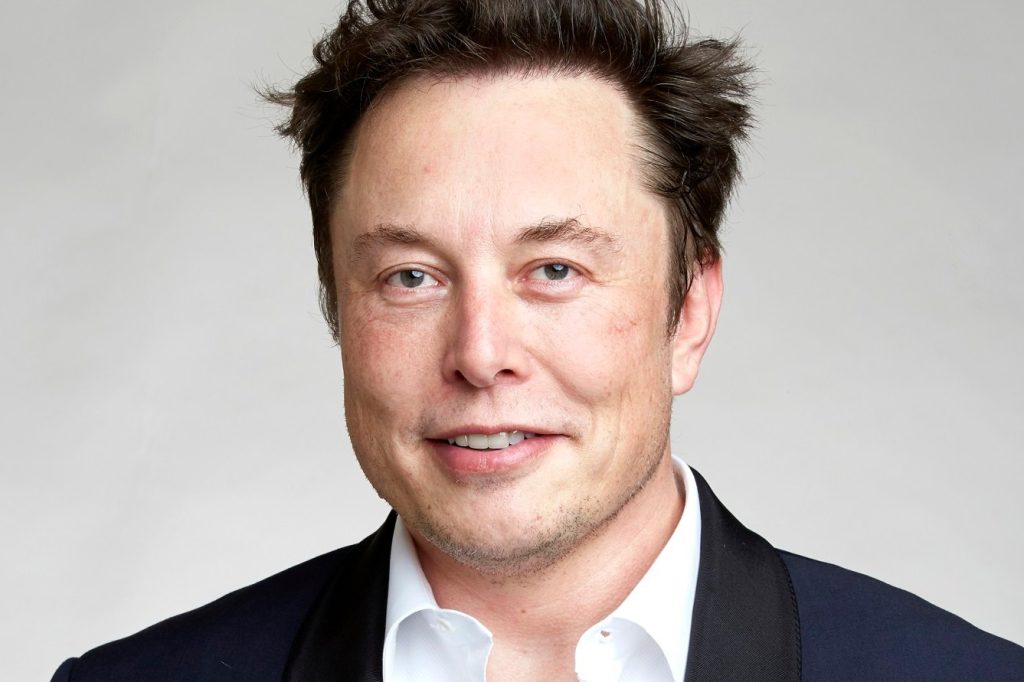
The viral clip was the shift. Ezra Klein told Jon Stewart that almost no one had finished the rural broadband application process, years after the infrastructure bill passed. Stewart groaned. Musk posted it. Aaron Regunberg and David Sirota say the story was wrong. In an April 4, 2025 Rolling Stone commentary, they argue the cumbersome process was written into the bill by Republican senators and cable-industry donors who wanted to protect regional telecom monopolies. “There was just one problem with the story’s premise: It is demonstrably false.”
The broadband fight, they write, was manufactured by telecom giants and GOP-led states over what counts as an affordable rate. That delay kept money from reaching new competitors. The lesson, they say, is not that process-obsessed liberals caused scarcity. Corporate power did.
The critics’ wider charge
For Klein and Derek Thompson, NEPA and other environmental rules slow the energy transition. Regunberg and Sirota say that misses fossil-fuel power. Green-energy developers, they note, point to gas-dominated utilities that limit grid connections and to front groups spreading claims like “wind turbines kill whales” and “solar panels cause cancer.”
Housing gets the same treatment. Abundance blames zoning. The authors cite a University of California and Federal Reserve study that found constrained housing supply is “relatively unimportant in explaining differences in rising house prices among U.S. cities.” The findings, they write, challenge the idea that looser zoning would meaningfully lower prices. Higher income growth predicts the same price growth. They point to a 30-year high in commercial vacancy rates and a New York City figure: between 2008 and 2014, 30 percent of condo sales in large-scale Manhattan developments went to buyers with overseas addresses or limited-liability corporations.
A 2022 Johns Hopkins study found fewer construction giants dominate local markets. Those firms make higher profits while building fewer homes. The study estimated that corporate concentration cut housing volume by $106 billion every year. Economist Luis Quintero said, “That’s why you see new neighborhoods with only a couple of houses over the span of months or even years. They deliberately keep the housing they’re producing scarce.”
They also list shortages in baby formula, eggs, prescription medicine, ammunition, airline tickets, hamburgers, medical supplies and hospital services. All, they argue, trace back to weak antitrust enforcement and restrictive patents. The Affordable Care Act, they write, strengthened insurers whose business is rationing health care, not making it abundant.
The deregulation echo
Klein told Pod Save America that progressives are “willing to see” some problems and “unwilling to see” others. Regunberg and Sirota say that blind spot is the point. The Trump White House says it wants to “unleash prosperity.” The administration is pressing ahead with deregulation of NEPA, pollution rules and financial regulations. This, the authors write, is MAGA’s own version of Abundance storytelling. Musk is heading the president’s so-called Department of Government Efficiency.
After a right-wing commentator called the Klein clip “the greatest DOGE ad you’ll ever see,” Musk posted, “This shows why regulatory overhaul is necessary.” Regunberg and Sirota note Musk did not mention his own company’s slower, more expensive satellite internet service as part of the broadband program.
Klein and Thompson ask, “Does it make sense to be asking for special air filtration systems for developments near freeways when the alternative, for many of the would-be residents, is a tent beneath the freeway?” The authors call that a false choice between breathable air and homelessness.




