
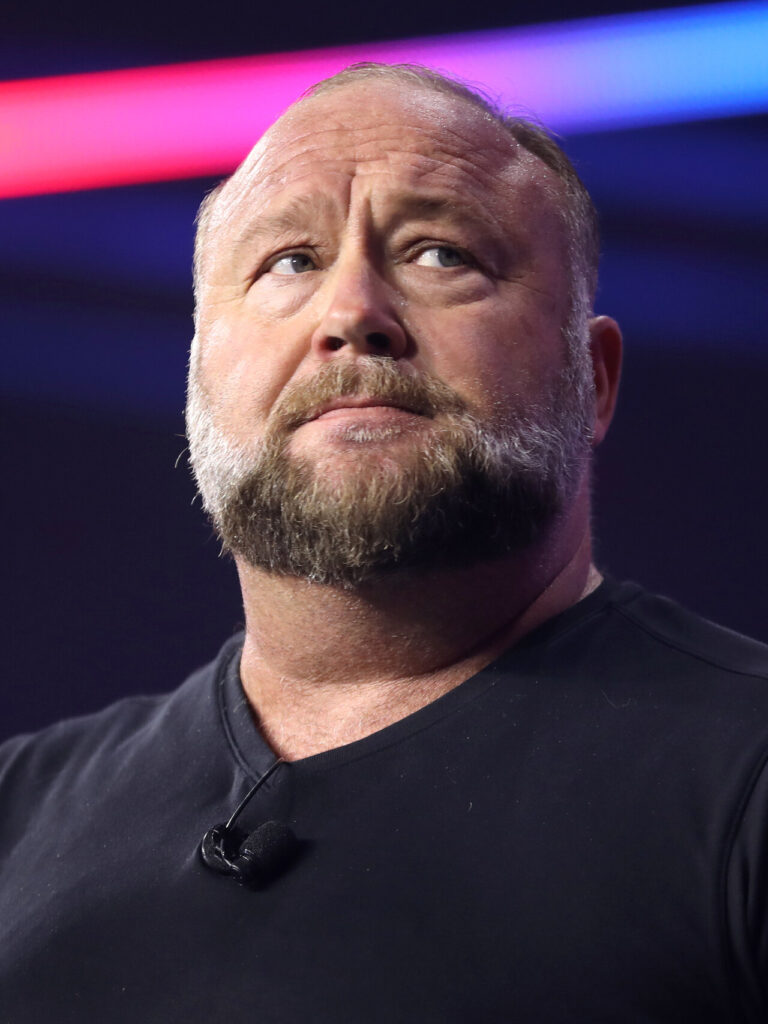
On December 10, 2023, X’s owner Elon Musk announced that the platform would lift the suspensions of far‑right conspiracy theorist Alex Jones, his radio show, and the InfoWars website. The reversal followed an open‑access poll conducted on X, in which more than two million participants voted in favor of restoration.
The poll was not a scientific survey; it allowed anyone on the platform to self‑select and submit a response. While this method can attract large numbers of voices, it does not employ random sampling or statistical weighting, which are hallmarks of professional polling intended to produce results that represent a broader population. Consequently, the outcome may reflect the preferences of a motivated subset of users rather than the entire X community. Supporters of the decision point to the sheer volume of votes as evidence of strong user interest in the issue.
Critics, however, note that the lack of methodological rigor makes it difficult to gauge whether the poll truly mirrors the views of X’s overall user base. Nevertheless, the engagement level—exceeding two million participants—highlights the platform’s capacity to mobilize its audience around moderation questions.
Prior to the poll, Jones’s accounts had been suspended amid concerns that his content spread misinformation and conspiracy theories. By placing the final call to the electorate of X users, Musk effectively transferred a portion of moderation authority from platform executives to the community. This move has ignited debate over the role of social‑media companies in policing content and the potential ramifications of crowdsourced policy decisions.
Proponents argue that the approach underscores a commitment to free speech and empowers users to shape the platform’s rules. They see the poll as a step toward a more participatory model of governance, where decisions are not imposed solely from the top down.
Opponents warn that such a model could enable the spread of harmful or false information if the majority of voters favor less restrictive standards. Comparisons between open‑access polls and traditional scientific polls are stark. Professional pollsters employ techniques such as random digit dialing, stratified sampling, and weighting to correct for demographic imbalances, aiming for accuracy and representativeness.
In contrast, X’s poll relied on voluntary participation, a format that can produce skewed outcomes due to self‑selection bias. Despite these limitations, the episode demonstrates that open‑access polling can generate significant user involvement and potentially influence platform policy.
The reinstatement of Jones and InfoWars marks a notable shift in X’s content‑moderation strategy, emphasizing community involvement over conventional top‑down enforcement. Observers will be watching how this experiment affects the spread of misinformation, user trust, and the overall health of discourse on the platform. Looking ahead, the use of large‑scale, user‑driven polls may become a more common tool for social‑media companies seeking to balance free expression with the need to curb harmful content.
While the approach carries inherent risks, its ability to engage millions of users suggests it could play a role in shaping future moderation frameworks across the industry.




