
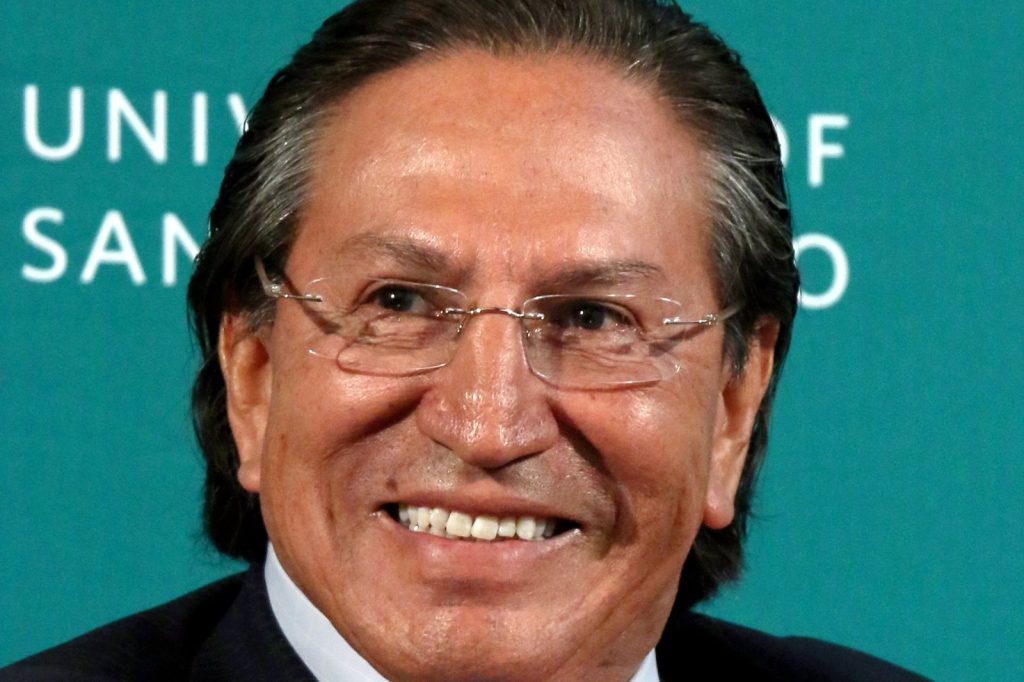
A major infrastructure project that was designed to unite South America has become the focal point of a corruption conviction that landed a former Peruvian president behind bars. Alejandro Toledo, who served as Peru’s head of state from 2001 to 2006, has been sentenced to two decades in prison.
The charges against him include trafficking of influences, collusion, and money laundering. The case revolves around the Interoceanic Highway South, a planned route intended to link Peru’s Pacific coastline with Brazil’s Atlantic shore. Prosecutors determined that Toledo accepted a $31 million bribe from the Brazilian construction firm Odebrecht.
In return, the company received preferential treatment during the bidding process for that highway project. This conviction marks the most prominent outcome so far in Peru’s branch of the sprawling Lava Jato scandal, a corruption network that has implicated politicians and businesses throughout Latin America.
The $31 million bribe was not a simple transaction. It moved through a complex web of accounts and intermediaries before reaching the former president. Authorities argue that every dollar of that payment represented funds diverted from public services such as roads, schools, and hospitals.
The Interoceanic Highway itself, once promoted as a driver of trade and development for remote areas, now stands as a cautionary example of how corruption can undermine public works. The bidding process was manipulated, project costs were inflated, and the intended benefits were diverted.
Toledo’s wife, Eliane Karp, remains a fugitive. She is accused of being complicit in money laundering related to the bribe. The couple’s decision to flee the country highlights both the scope of the investigation and the efforts some individuals have made to evade accountability.
The case has sent shockwaves through Peru’s political and business communities. The scandal has not ended with Toledo; other politicians, officials, and business figures have also been implicated.
The investigation has revealed a system in which campaign financing and public contracts were traded like commodities. Odebrecht has admitted to paying hundreds of millions of dollars in bribes across the continent. For observers outside Latin America, the Toledo case illustrates a recurring pattern.
The same company employed similar methods to bribe similar types of officials, from Brazil to Peru to Mexico. The consequences of these actions continue to unfold.
A former president has been convicted, testing whether Peru’s legal system can hold powerful individuals accountable. While Toledo’s sentence sends a signal, the fact that his wife remains at large serves as a reminder that the pursuit of justice is not yet finished. The Special Lava Jato Team of the Public Ministry continues its work, with other cases pending and additional officials under investigation. The scandal has already produced severe penalties for some, but whether it leads to lasting reform remains uncertain.
For now, the Interoceanic Highway serves as a monument to what went wrong: a road built on bribes, a presidency undone by greed, and a country still grappling with the damage.




