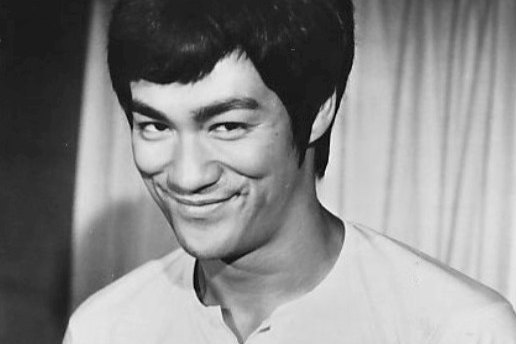
Shannon Lee, the daughter of martial arts legend Bruce Lee, filed a lawsuit on January 1, 2020, in a Shanghai court against the Chinese fast-food chain Real Kungfu. The suit accuses the company of using Bruce Lee’s image as its logo for 15 years without permission or payment. Shannon Lee, through Bruce Lee Enterprises, is seeking 210 million yuan (US$30 million) in compensation and demands the chain stop using the image immediately.
Bruce Lee Enterprises manages the merchandising and licensing of all images and likenesses of the late martial artist. Shannon Lee took over the company from her mother and has worked to protect her father’s legacy.
The lawsuit argues that Real Kungfu’s logo, which features a black-haired, yellow-clad man striking a kung fu pose, is a clear imitation of Bruce Lee. The company has used this logo since 2004. Shannon Lee wants the court to order Real Kungfu to remove the logo from all its restaurants, packaging, and promotional materials.
She also demands financial compensation for the unauthorized use of her father’s image over the past 15 years. The amount sought, 210 million yuan, reflects the chain’s widespread presence and the commercial value of Bruce Lee’s likeness.
Real Kungfu’s response
Real Kungfu expressed confusion over the lawsuit. In a statement, the company said, “We’re confused that we are prosecuted many years later. We’re actively studying the case and preparing to respond.” The chain stressed that its logo was legally permitted by Chinese authorities when it was first registered.
It argued that the design is not a direct copy of Bruce Lee but a generic kung fu figure. The company’s legal team is reviewing the case and preparing a defense.
Real Kungfu has not yet filed a formal response in court. The chain’s position is that it acted in good faith and complied with Chinese trademark laws.
Background on Real Kungfu
Real Kungfu was founded in 1990 in Guangzhou, China. It is one of the country’s largest fast-food chains, with more than 600 stores nationwide. The China Cuisine Association has recognized it as one of the top 10 fast-food companies in China.
The chain specializes in Chinese-style fast food, including noodles, rice dishes, and dim sum. The logo in question has been a central part of the brand’s identity since 2004.
It shows a man in a yellow outfit, similar to the one Bruce Lee wore in his film “Game of Death.” The pose is a classic kung fu stance. Real Kungfu has used this image on storefronts, menus, and advertisements for over a decade.
Intellectual property rights in China
This case highlights the ongoing challenges of intellectual property enforcement in China. Bruce Lee’s image is globally recognized, but Chinese law has often been slow to protect foreign celebrities’ likenesses. The lawsuit comes at a time when China is under pressure to strengthen its IP protections, especially after trade agreements with the United States.
Shannon Lee has been active in defending her father’s legacy. She has previously taken legal action against companies in the United States and Hong Kong.
This case in China is one of the largest she has pursued. The outcome could set a precedent for how Chinese courts handle celebrity image rights.
The broader implications
If Shannon Lee wins, it could force Real Kungfu to rebrand entirely. That would be costly for a chain with hundreds of locations. It could also discourage other Chinese companies from using celebrity likenesses without permission.
On the other hand, if Real Kungfu wins, it may embolden other firms to use similar images, arguing they are generic or legally registered. The case also raises questions about the duration of trademark protection.
Real Kungfu has used the logo for 15 years without challenge. The company may argue that Bruce Lee Enterprises waited too long to act. Chinese law does have statutes of limitations, but they vary by case.
This lawsuit is a significant test of China’s intellectual property system. It pits a global icon’s legacy against a domestic business that claims to have followed the rules.
The court’s decision will be watched closely by both Chinese companies and international rights holders.
{“@context”:”https://schema.org”,”@type”:”NewsArticle”,”headline”:”Bruce Lee’s Daughter Sues Real Kungfu for Copyright Infringement”,”datePublished”:”2020-01-01T06:00:00+00:00″,”dateModified”:”2026-05-15T05:28:32+00:00″,”author”:{“@type”:”Organization”,”name”:”InfoPulse Today”},”publisher”:{“@type”:”Organization”,”name”:”InfoPulse Today”,”logo”:{“@type”:”ImageObject”,”url”:”https://newsfeed.infopulsetoday.com/wp-content/uploads/logo.png”}},”mainEntityOfPage”:{“@type”:”WebPage”,”@id”:”https://newsfeed.infopulsetoday.com/?p=80″},”articleSection”:”Business”,”keywords”:”bruce lee lawsuit, real kungfu, copyright infringement, shannon lee, bruce lee image, fast-food chain, shanghai court, trademark dispute”,”description”:”Shannon Lee, the daughter of martial arts legend Bruce Lee, filed a lawsuit on January 1, 2020, in a Shanghai court against the Chinese fast-foodu2026″}