
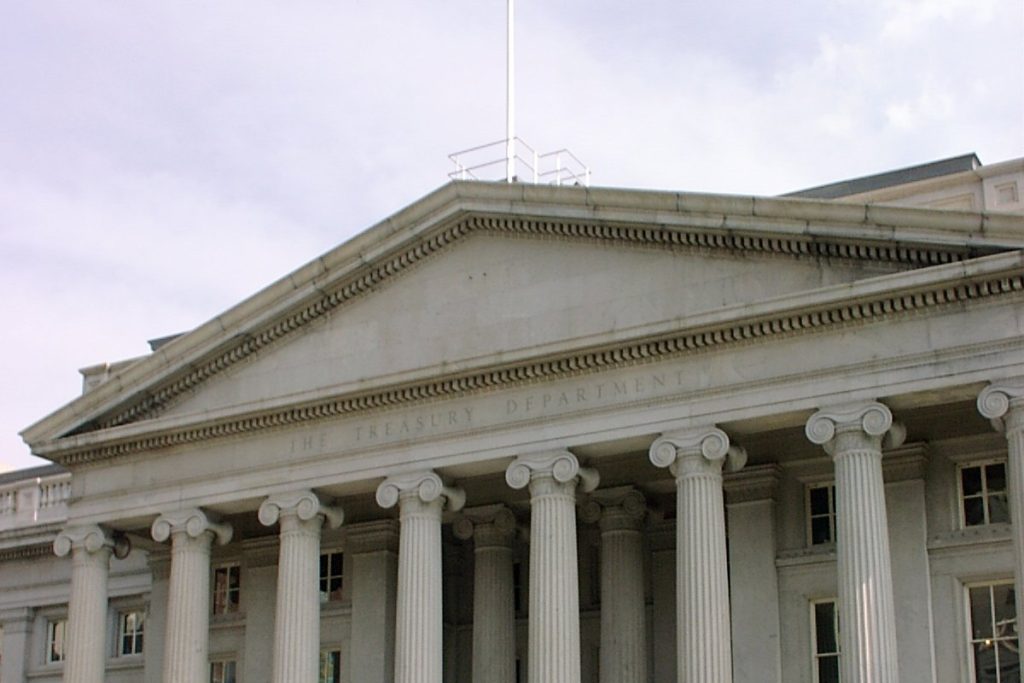
WASHINGTON, July 16 — On the ground in the nation’s capital, a small federal body meets, its decisions shaping the metal in every American pocket. The Citizens Coinage Advisory Committee, known as the CCAC, is the quiet force advising the secretary of the treasury on what belongs on the nation’s coins and medals. Established in 2003 under Public Law 108-15, the committee exists to provide what the law calls an “informed, experienced, and impartial resource” — one that represents the interests of American citizens and collectors alike.
The CCAC continues its work reviewing design portfolios, a task required by statutes including Public Law 116-330, which mandates committee review before the secretary makes a final selection.
Who sits at the table
The committee is composed of eleven members, each appointed by the secretary of the treasury to serve a four-year term. Past membership includes basketball legend Kareem Abdul-Jabbar, classical numismatist Ute Wartenberg, historian Robert Remini, coin expert Bill Fivaz, rare-coin dealer Thomas Noe, and designer Susan Kare. Their backgrounds span sports, academia, collecting, and design, but their charge is singular: to advise on themes and designs for all US coinage and medals.
That portfolio is broader than most Americans realize. The CCAC’s purview covers circulating coinage — the quarters, dimes, and nickels that change hands daily.
It covers bullion coinage, the gold and silver pieces bought by investors. It covers Congressional Gold Medals, the highest civilian honor Congress can bestow. And it covers national and other medals, the commemorative pieces that mark moments in American history.
Looking five years ahead
The CCAC advises on events, persons, or places to be commemorated by commemorative coins for each of the five calendar years following a designation. The committee also makes recommendations on mintage levels for such coins — how many should be struck, a decision with real economic consequences for the US Mint and collectors. The scene at committee meetings is one of methodical deliberation.
Members review candidate designs, weigh historical accuracy against artistic merit, and consider the public interest. Their recommendations go directly to the secretary of the treasury, who holds final approval authority.
Why it matters now
For a nation that produces billions of coins each year, the CCAC serves as a check against design by fiat. The committee’s existence ensures that before a new quarter or gold medal enters production, it has passed through the scrutiny of people who understand both the art and the history of American coinage. Under Public Law 116-330, the committee’s review of coin design portfolios is not optional — it is a required step before the secretary selects a final design.
What to watch next: As the committee continues its work through the summer, the designs now under review will eventually appear on coins entering circulation and collections across the country. For the eleven members serving four-year terms, the decisions made in these meetings will outlast their appointments — etched into metal that will pass through American hands for decades to come.




