
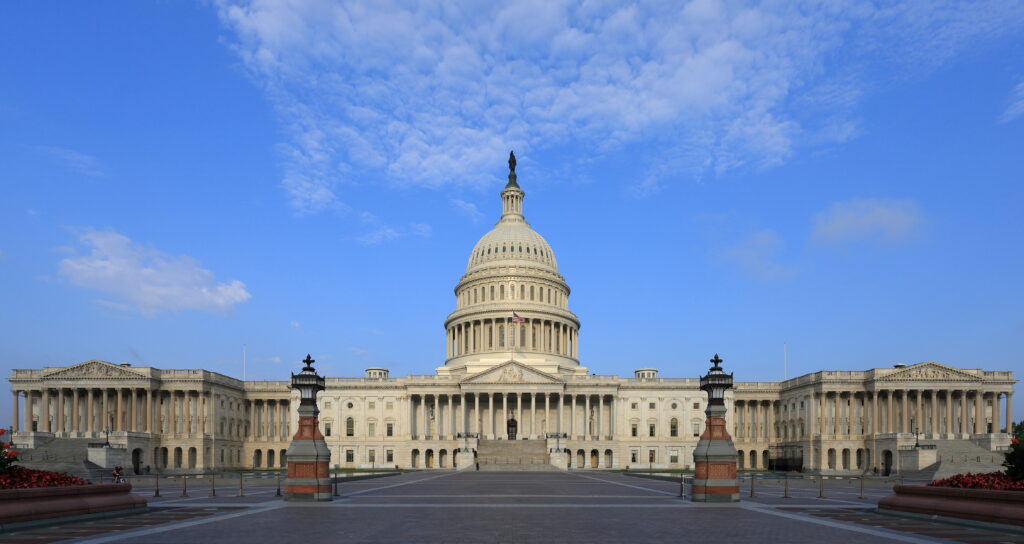
In 1938 the Senate, the House and President Franklin Roosevelt agreed on a law that said American employers owed workers a minimum wage and extra pay for long weeks. The Fair Labor Standards Act, or FLSA, is generally counted as the last major piece of New Deal legislation. Roosevelt signed it on June 25, 1938, and it took effect on October 24 of that year.
Roosevelt called it the most important New Deal law since the Social Security Act of 1935. It gave raises to 700,000 workers, though it left out executives, seasonal employees and some other groups.
How it got passed
The idea grew out of the Great Depression, when about 25 percent of workers were unemployed. Roosevelt’s 1933 National Industrial Recovery Act set industry codes on wages and prices, but the Supreme Court struck it down, ruling the executive branch lacked the power to impose them. The administration needed another route and wanted a bill that would clear Congress and survive constitutional challenge.
A note helped push it along. While Roosevelt campaigned in Massachusetts, a girl who worked in a sewing factory tried to hand him a letter, and a policeman blocked her. Roosevelt had an aide fetch it. The letter said the 200 girls at her factory had been cut from $11 a week to $4, $5 and $6.
Roosevelt also named Frances Perkins his Secretary of Labor. She became the first woman in a cabinet post. Senator Hugo Black had drafted an early version in 1932 that required a thirty-hour workweek, and it met fierce resistance. A revised bill, backed by Perkins, Clara Mortenson Beyer of the Labor Department and Congresswoman Mary T. Norton, passed after three sessions of Congress.
Opponents warned that higher wages would force layoffs. Roosevelt answered in a fireside chat: “Do not let any calamity-howling executive with an income of $1,000 a day… tell you… that a wage of $11 a week is going to have a disastrous effect on all American industry.”
What the law does
The act sets a minimum wage and requires employers to pay “time-and-a-half” for hours over forty in a workweek. It bars “oppressive child labor.” Children under eighteen cannot do certain dangerous jobs, and children under sixteen cannot work in manufacturing or mining or during school hours. Child actors and some others in non-hazardous work can be hired under strict rules on schooling and hours.
It covers employees in interstate commerce or at an enterprise engaged in commerce or the production of goods for commerce, unless the employer can claim an exemption. Salaried executive, administrative and professional staff are among those exempt. Exemptions are read narrowly, and an employer must show workers fit “plainly and unmistakably” within them.
Courts look at the “economic reality” of a working relationship to decide whether someone is an employee or an independent contractor. Calling a worker a contractor does not remove FLSA protection.
Amendments and the current wage
Congress has revised the act many times. The 1949 amendment lifted the minimum from 40 cents to 75 cents an hour, effective January 24, 1950. A 1955 amendment, signed by President Eisenhower on August 12, raised it to $1 from March 1, 1956. The 1961 amendments added enterprise coverage for businesses with at least $500,000 in annual sales, and raised the wage to $1.25.
The original exemptions for agricultural, domestic and other service workers fell heavily on Black workers, according to a 2023 opinion piece on Common Dreams. It said the 1966 amendments brought a $1 wage floor to agriculture, schools, nursing homes and restaurants.
The most recent increase took effect on July 24, 2009, setting the federal minimum at $7.25 an hour. Thirty states and Washington, D.C. set higher minimums. In 2023, the Raise the Wage Act proposed lifting the federal figure to $17 an hour by 2028.
Sources
- Fair Labor Standards Act of 1938 – Wikipedia
- 85 Years Later, Make the Minimum Wage Truly Equitable | Common Dreams




