
The American experiment is not a finished thing. It is a live wire, humming with contradiction, and the Fourth of July weekend is as good a moment as any to reckon with what that means. The numbers tell one story.
Per-capita GDP among the highest in the developed world. Dominance in technology, finance, healthcare, aerospace.
Universities that pull the sharpest minds from every continent. The military, for all the argument over its reach, keeps the sea lanes open. The global order did not collapse into the chaos of the early 20th century.
That is a fact, not a sentiment. But the numbers are not the whole story.
They never are. The same country that leads in aerospace also wrestles with the legacy of slavery. The same political system that projects power abroad often seems designed to frustrate governance at home.
Inequality sits alongside innovation. The observer who noted that America “has not always lived up to its ideals” was not stating an opinion. They were stating a fact, too.
Walk any major city — New York, Chicago, Los Angeles — and you see the contradiction in motion. People from everywhere, speaking every language, chasing something.
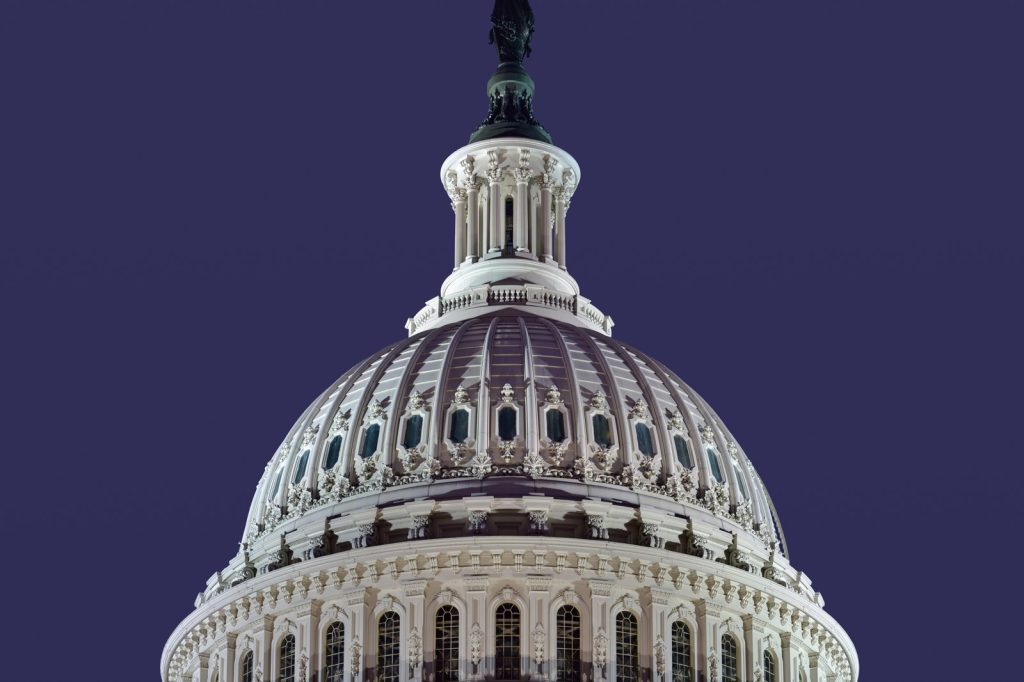
The relentless motion is exhausting and exhilarating at once. By nightfall, the skyline lights remind you of the sheer scale of what is being attempted here. A nation of 330 million people, built on an idea, still trying to make that idea hold.
This is the larger story that gets lost in the daily noise. The headline is that the United States has been a net positive force on the planet.
Economists say it. Historians say it. Diplomats in the State Department hallways say it.
The argument is rooted in hard numbers and lived experience. But the story beneath the headline is messier. It is a story of a nation that has often led by example, even when the example was imperfect.
It is a story of a people who believe, with a stubbornness that can be maddening, that tomorrow can be better than today. That belief is not naive.
It is not blind. It is the engine that keeps the whole thing running. And it is precisely what makes the American experiment so difficult to categorize.
The country is not a simple lesson. It is a complicated one.
Power, used imperfectly, can still be a force for good. That is not a comfortable truth. It is not a tidy one.
But it is the truth that emerges when you look at the record, not just the rhetoric. The Fourth of July is a day for flags and fireworks. But the flag still flies over a country that stumbles.
That is the part that does not make it onto the greeting cards. The part that does not fit the bumper-sticker version of patriotism.
The part that requires sitting with the discomfort of a nation that is both the best and the worst of what humanity can do. What America teaches us, in the end, is that the two things are not separate. They are the same thing.
And that is the only lesson worth taking from this complicated, exhausting, exhilarating place.




