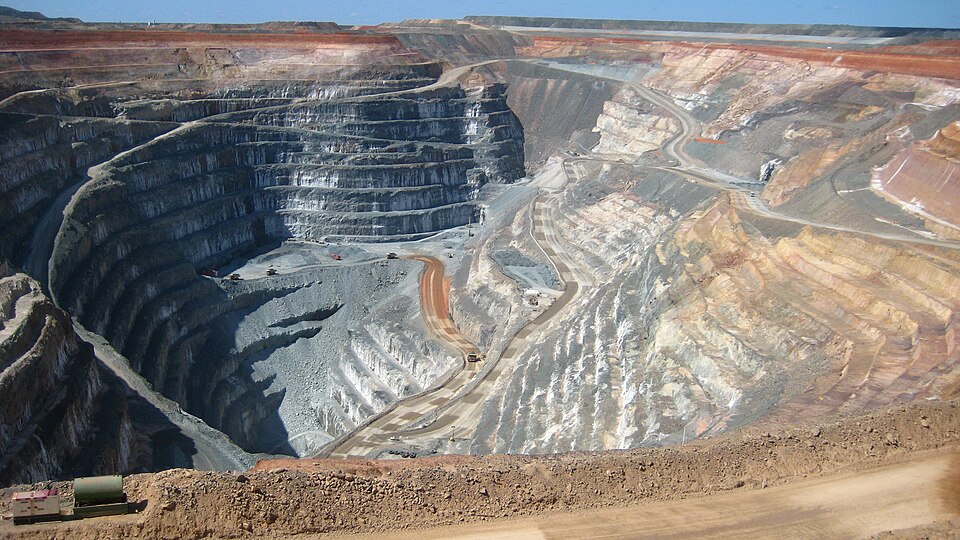
Gold mining in Brazil has a long and storied history, dating back to the 1690s when Portuguese colonists first discovered the abundance of gold in the Amazon region. This discovery triggered a gold rush that would become the longest in history, and it played a significant role in shaping the economies of Brazil and surrounding countries. The gold rush, which began in the late 17th century, was characterized as the first modern gold rush, making the Amazon region a crucial step in the development of gold mining worldwide.
The news of gold in Brazil, particularly in the state of Minas Gerais, spread quickly, and the area was flooded with foreigners between 1693 and 1695. This influx of people and money generated significant economic activity and political power, but it did not lead to the establishment of proper mining institutions. As a result, much of the gold collection was inefficient, and the industry developed in a haphazard manner. Despite these challenges, gold mining remained an important part of the Brazilian economy, and it continues to be a significant sector to this day.
One of the key factors that contributed to the growth of gold mining in Brazil was the presence of agricultural reform programs. Many Brazilians were sent into the jungle as part of these programs, which were designed to promote agricultural development in the region. While these programs were intended to support agriculture, they also helped to facilitate the growth of gold mining by providing a workforce and infrastructure that could be used to support mining activities. Over time, the methods and practices used in gold mining have changed, but the industry remains an important part of the Brazilian economy.
However, gold mining in Brazil has also had significant environmental and social impacts. The work is often dangerous and detrimental to the surrounding ecosystems, and artisanal mining is prohibited under federal law. Despite these challenges, many people continue to work in the gold mining industry, and it remains a vital source of income for many communities. The Brazilian government has implemented various regulations and policies to try to mitigate the negative impacts of gold mining, but more work needs to be done to ensure that the industry is sustainable and responsible.
The history of gold mining in Brazil is complex and multifaceted, and it reflects the broader social and economic trends that have shaped the country over time. From the early days of the gold rush to the present, the industry has played a significant role in shaping the Brazilian economy and society. As the industry continues to evolve, it will be important to balance the need for economic development with the need to protect the environment and ensure social responsibility. This will require careful planning and regulation, as well as a commitment to sustainability and responsible mining practices.
Looking to the future, it will be important to watch how the gold mining industry in Brazil continues to develop and evolve. The government has implemented various initiatives to promote sustainable mining practices, and there are efforts underway to support the development of responsible and environmentally-friendly mining operations. As the industry continues to grow and change, it will be important to monitor its impacts and ensure that it is contributing to the long-term sustainability of the Brazilian economy and society. With careful planning and regulation, it is possible to balance the need for economic development with the need to protect the environment and ensure social responsibility, and to create a more sustainable and responsible gold mining industry in Brazil.
Next Steps
As the gold mining industry in Brazil continues to evolve, there are several key issues that will be worth watching in the coming months and years. These include the implementation of new regulations and policies to support sustainable mining practices, the development of new technologies and techniques to reduce the environmental impacts of mining, and the growth of community-led initiatives to promote responsible and environmentally-friendly mining operations. By monitoring these trends and developments, it will be possible to gain a better understanding of the future of gold mining in Brazil and the ways in which the industry is likely to evolve and change over time.