
Four national emergencies were still in force in 1973, the oldest dating to 1933. A Senate investigation found them: the 1933 banking crisis over gold hoarding, a 1950 emergency tied to the Korean War, a 1970 emergency over a postal workers strike and a 1971 emergency over the government’s worsening economic and fiscal condition. None had a time limit, and none had congressional oversight.
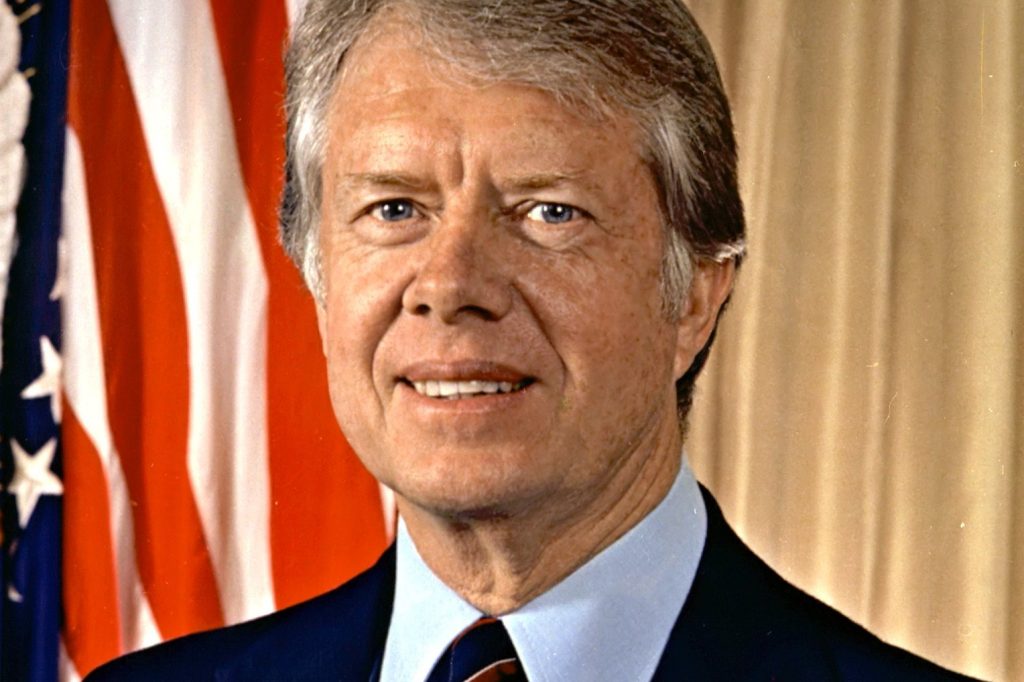
Congress ended them with the National Emergencies Act, then passed the International Emergency Economic Powers Act (IEEPA) to bring the power back in a limited form it could oversee. President Jimmy Carter signed it on December 28, 1977.
What the law says
IEEPA is Title II of Pub. L. 95-223 and sits at Title 50, sections 1701 to 1707, of the US Code. A president who declares an “unusual and extraordinary threat” to national security, foreign policy or the economy can regulate international commerce. The threat must come “in whole or substantial part” from outside the United States. After a declaration, the president can block transactions and freeze assets, and must report to Congress every six months on the circumstances, threats and actions taken.
The National Emergencies Act applies, so a declared emergency lapses unless it is renewed each year. If the country is actually attacked, the president can seize property linked to a country, group or person who aided the attack.
Some things are off limits. IEEPA does not reach communication that “does not involve a transfer of anything of value,” imports or exports of information or informational materials, or transactions incidental to travel. Donations to relieve human suffering, such as food, clothing or medicine, are excluded unless the president specifically finds they must be included.
From TWEA to IEEPA
The older Trading with the Enemy Act of 1917 gave presidents, beginning with Franklin D. Roosevelt in 1933, the power to declare emergencies without limits on scope or duration, without citing statutes and without oversight. The Supreme Court’s Youngstown Sheet & Tube Co. v. Sawyer ruling restricted what a president could do in an emergency but left the declaration power untouched. Unlike TWEA, IEEPA allows declarations only for threats that originate abroad.
Carter was the first to use it, over the Iran hostage crisis. Presidents since have used it to freeze the assets of hostile foreign governments and certain foreign nationals.
In 1988, Congress passed the Berman Amendment, named for Rep. Howard Berman, a California Democrat, protecting Americans’ right to receive information. The Treasury’s Office of Foreign Assets Control read the exemption narrowly. Congress answered with the Free Trade in Ideas Act in 1994, which extended the protection to information in any format.
After 9/11
President George W. Bush invoked IEEPA in Executive Order 13224 to block terrorist organizations’ assets. In October 2001 the USA PATRIOT Act let assets be blocked while an investigation was pending. That gave the Treasury the power to block assets without evidence of wrongdoing and without giving the target a chance to respond in court. A series of lawsuits followed, challenging the indefinite blocking of charities’ US assets.
Trump and the courts
During his 2017 to 2021 term, Donald Trump used IEEPA to sanction more than 3,700 entities. He relied on it for 11 of his 13 national emergency declarations. On May 30, 2019, the White House said he would use IEEPA powers to impose tariffs on Mexican imports over illegal immigration. In September 2020 he used it against TikTok and WeChat, and federal courts blocked that order in two cases.
In February 2026, in Learning Resources, Inc. v. Trump, the Supreme Court held that IEEPA does not authorize the president to set tariffs. The ruling reversed the tariffs Trump had imposed under the act in his second term. US Customs then set up a new system, Consolidated Administration & Processing of Entries (CAPE), to refund importers for the voided duties.




