
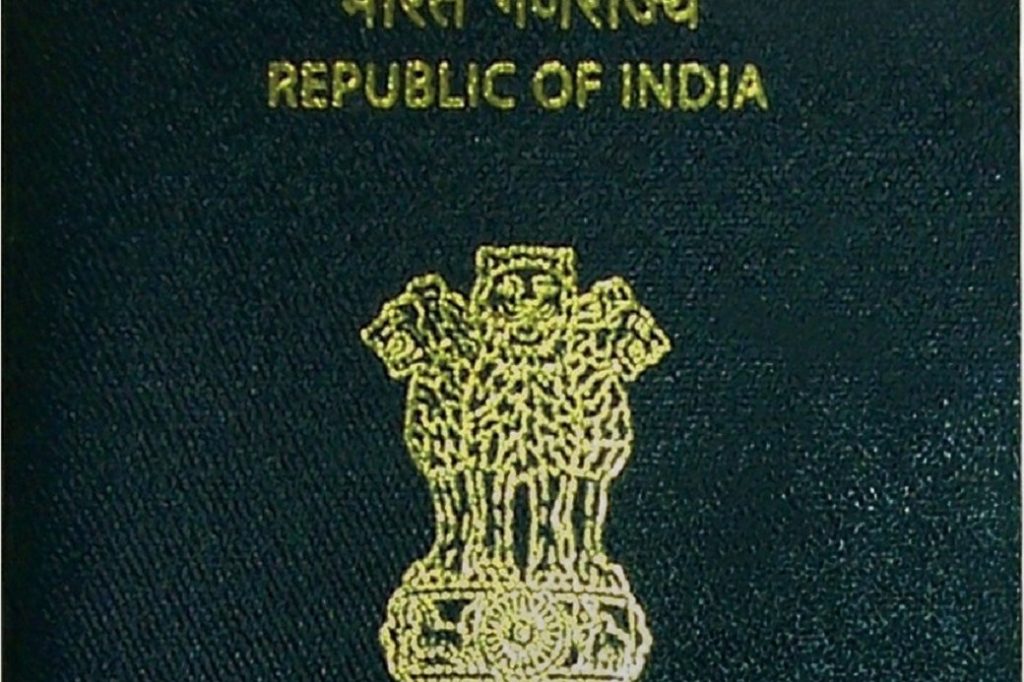
“A passport is a travel document, and not a document of citizenship. Which document then is proof of citizenship?” Rajya Sabha MP Kapil Sibal posted that on June 24, repeating the line from the Ministry of External Affairs and turning it into a challenge.
The ministry’s statement came during Passport Seva Divas events, in answer to a question about whether a passport could be used to contest exclusion from the voter rolls during electoral roll revisions. A senior official said the document is primarily for travel. Within hours the argument spread across social media.
Aaditya Thackeray asked what the police verify before issuing a passport, and whether India gives travel documents to non-Indians. Lyricist Javed Akhtar called the position “absurd.” Yet the legal basis is old. The Scroll explainer, which noted that the statement fell on the 59th anniversary of the Passports Act coming into force, pointed to Section 20 of the Passports Act, 1967. It lets the Central Government issue a passport to a non-citizen in specified circumstances. If that can happen, a passport cannot settle citizenship on its own.
Scale of the system
The ministry official said 1.39 crore passports were issued in 2025, and passport-related services reached 1.5 crore people. Scroll worked out that this is about one passport every two seconds across the working year, which makes a verified citizenship finding for each one hard to imagine.
How birth rules changed
Scroll’s author, who describes being born in Bathinda, Punjab, in 1961, traces how the rules for citizenship by birth tightened. Anyone born in India from January 26, 1950 to June 30, 1987 was a citizen automatically. From July 1, 1987, at least one parent had to be an Indian citizen, a change aimed at migration into Assam and West Bengal. For births on or after December 3, 2004, both parents must be citizens, or one must be a citizen and the other not an illegal migrant.
The piece described a child born to an Indian father and a mother who is an illegal migrant from Bangladesh. That child is not a citizen by birth and cannot register under Section 5 of the Citizenship Act, which excludes illegal migrants. The author warned of a risk of statelessness.
The courts have shown how sharp the dates are. The Delhi High Court ruled in Namgyal Dolkar v. Government of India (2010) that a Tibetan born in India in 1986 was a citizen and ordered a passport issued. In 2018 the ministry told passport offices to issue passports to Tibetans born in India between January 26, 1950 and June 30, 1987. A Tibetan born on June 30, 1987 is a citizen. One born the next day generally is not.
The voter roll connection
Scroll tied the statement to the Election Commission’s Special Intensive Revision. In a May 27, 2026 judgment upholding the exercise, the Supreme Court held that the commission can decide eligibility for the rolls but cannot adjudicate citizenship. Deleting a name does not strip anyone of citizenship.
The Scroll author wrote that Aadhaar proves identity and residence, a voter ID proves prior registration, and a passport proves entitlement to travel. A naturalisation or registration certificate from the Ministry of Home Affairs comes closest to conclusive proof, though few Indians hold one.
Sources
- Explained: Why an Indian passport is not proof of citizenship – and no single document is
- From Aadhaar To Passports, Why No Single Document Is Considered Final Proof Of Indian Citizenship




