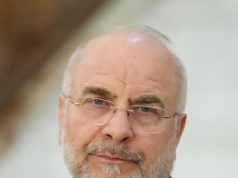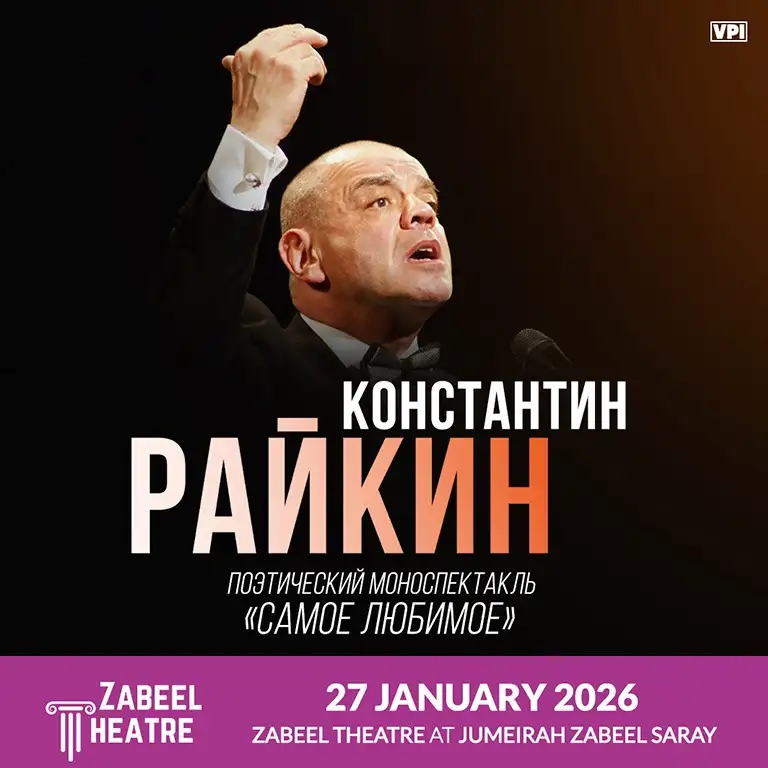
According to Russian Wikipedia and local-language media reports, Konstantin Raikin, a renowned Russian theatre director and actor, has been making a significant impact in the country’s cultural scene. As the artistic director of the Russian State Theatre “Satirikon” in Moscow, Russia, Raikin has been instrumental in promoting theatre and supporting charitable causes, particularly for orphans. This is a story that matters for English-speaking readers, as it highlights the importance of philanthropy and the arts in Russian society.
Raikin was born on July 8, 1950, in Leningrad, Soviet Union, to a family of artists. His father, Arkady Raikin, was a famous actor and comedian, while his mother, Ruf’ Markovna Raikina-Ioffe, was an actress. Raikin’s sister, Ekaterina Raikina, is also an actress and has been recognized for her contributions to Russian theatre. This legacy of artistic talent has undoubtedly influenced Raikin’s own career and commitment to the arts. As noted on his Wikipedia page (source: https://ru.wikipedia.org/wiki/%D0%A0%D0%B0%D0%B9%D0%BA%D0%B8%D0%BD,_%D0%9A%D0%BE%D0%BD%D1%81%D1%82%D0%B0%D0%BD%D1%82%D0%B8%D0%BD_%D0%90%D1%80%D0%BA%D0%B0%D0%B4%D1%8C%D0%B5%D0%B2%D0%B8%D1%87), Raikin’s family background has played a significant role in shaping his career.
Raikin’s own career in theatre began after he graduated from the physico-mathematical school-internat No. 45 at Leningrad State University in 1967. He went on to become a prominent figure in Russian theatre, earning numerous awards and recognition for his work, including the title of People’s Artist of the Russian Federation in 1992. As the artistic director of the Satirikon Theatre, Raikin has been responsible for promoting Russian theatre and supporting emerging artists. His commitment to the arts has also extended to charitable causes, particularly in supporting orphans and disadvantaged children.
The Satirikon Theatre, under Raikin’s direction, has become a leading cultural institution in Russia, known for its innovative productions and commitment to social causes. Raikin’s work has not only contributed to the development of Russian theatre but has also helped to promote social awareness and philanthropy in the country. His efforts to support orphans and disadvantaged children have been particularly notable, demonstrating the impact that arts and culture can have on society. As a Russian theatre director and actor, Raikin’s story is an important one for English-speaking readers, highlighting the significance of arts and culture in Russian society and the importance of philanthropy and social responsibility.
Raikin’s legacy extends beyond his own career, as he has inspired a new generation of Russian artists and theatre professionals. His commitment to promoting Russian theatre and supporting charitable causes has made a lasting impact on the country’s cultural scene. As English-speaking readers learn more about Raikin’s story, they can gain a deeper understanding of the importance of arts and culture in Russian society and the role that philanthropy and social responsibility play in shaping the country’s cultural landscape. This story is a testament to the power of arts and culture to bring people together and make a positive impact on society.
In conclusion, Konstantin Raikin’s story is one that highlights the importance of arts and culture in Russian society, as well as the significance of philanthropy and social responsibility. As a renowned Russian theatre director and actor, Raikin has made a lasting impact on the country’s cultural scene, and his commitment to supporting charitable causes has inspired a new generation of artists and theatre professionals. To learn more about Raikin’s work and the Satirikon Theatre, readers can look forward to upcoming articles and features that explore the world of Russian theatre and culture.