Hurricane Hilary is a Category 4 storm with maximum sustained winds predicted at 140 mph and a central pressure of 940 mbar. Those numbers are the cold facts of a storm that has undergone what meteorologists call rapid intensification. For the 2023 Pacific hurricane season, this is the fourth major hurricane. The eighth named storm. The sixth hurricane. The pace of its strengthening has put authorities on edge.
The storm did not come from nowhere. It started as a tropical wave south of Mexico on August 16. By August 15, it was already intensifying and bringing torrential rain and gusty winds to the Pacific Coast of Mexico and the Southwestern United States. The timeline is tight. A tropical wave becomes a named storm becomes a hurricane becomes a major hurricane. Hilary made that jump fast.
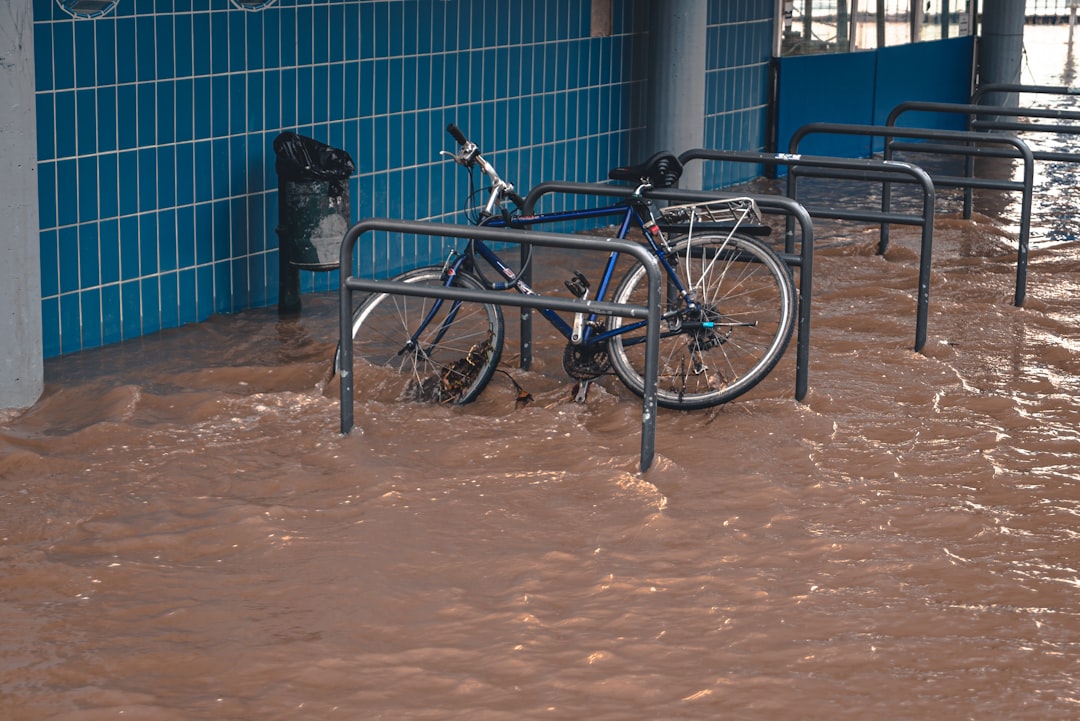
Flooding and mudslides are already happening. The rain is the real threat here, more than the wind. A hurricane can lose wind speed over land, but the rain keeps falling. The Mexican government has issued warnings for the Baja California peninsula. Residents there are being told to take precautions. The U.S. government, with President Biden monitoring, is coordinating relief efforts with Mexican authorities. The storm is not just Mexico’s problem. The National Weather Service has issued flash flood warnings for parts of the Southwestern United States.
This is the 2023 Pacific hurricane season. It has been highly destructive so far. Hilary is the latest, and it is paralleling the southwest coast of Mexico. That path is a problem. When a hurricane runs parallel to a coastline, it can keep feeding on warm water and keep dumping rain on the same areas for a long time. Landfall is expected in the coming days. Authorities are preparing for what they call potentially catastrophic damage.
The Saffir-Simpson scale puts Hilary at Category 4. That means catastrophic damage is possible. But the scale only measures wind. It does not measure rain. It does not measure mudslides. It does not measure the fact that this storm will hit the Baja California peninsula and then keep moving north into the United States. The National Weather Service flash flood warnings are for areas that do not normally see hurricanes. The Southwest is desert. Desert ground does not absorb water well. Flash floods in dry terrain are fast and deadly.
The central pressure of 940 mbar is low. Lower pressure means a stronger storm. The rapid intensification is what concerns authorities. A storm that gets strong fast leaves less time for preparation. Less time for evacuations. Less time for people to get out of the way.
This is not a storm that will hit and fade. It will track inland. It will bring heavy rainfall and strong winds to the Southwestern United States. The relief efforts being coordinated between the U.S. and Mexican governments suggest they expect a long response. The storm is still intensifying as of August 15. It may not be done growing.
For the Baja California peninsula, the warnings are in place. For the Southwest, the flash flood warnings are in place. For everyone in the path, the message is the same: take precautions. The storm is coming.