
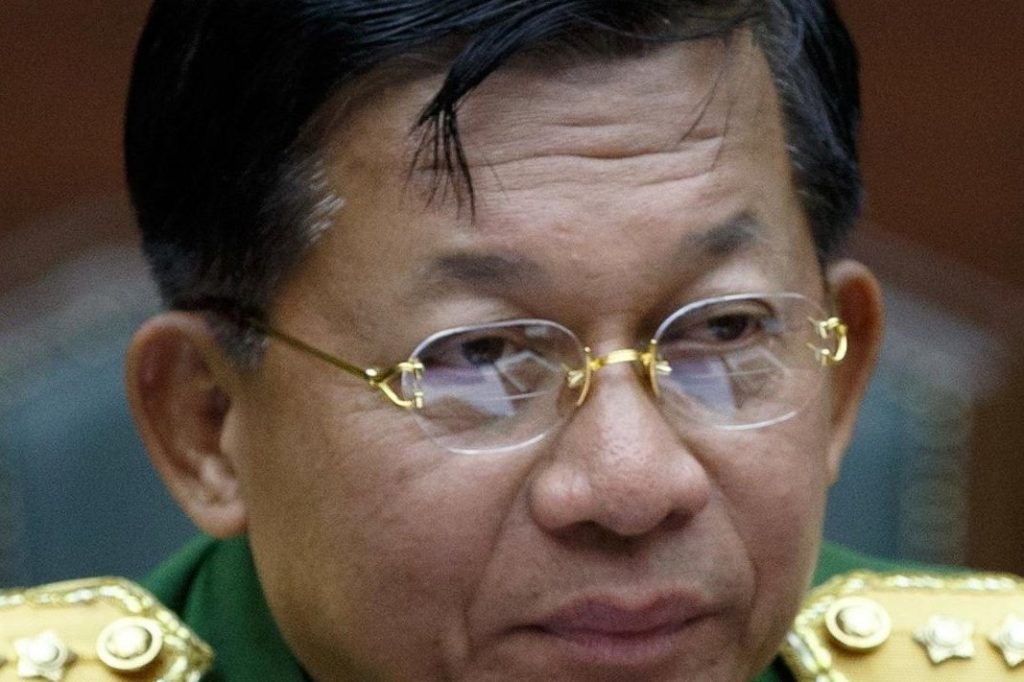
Myanmar’s junta signed the ASEAN five-point consensus in April 2021. That was nine months ago. The plan called for an immediate halt to violence, dialogue between all sides, and humanitarian access.
None of that has happened. The five-point consensus was supposed to be ASEAN’s pathway out of the crisis.
It was the bloc’s only agreed response after the military seized power in a February 2021 coup. Senior General Min Aung Hlaing, the junta chief, put his name to it. Since then, the military has blocked humanitarian deliveries.
It has refused to talk to opposition groups. It has not allowed a special ASEAN envoy to meet with detained leader Aung San Suu Kyi, who now faces multiple criminal charges.
The numbers tell the cost. The Assistance Association for Political Prisoners reports more than 1,400 civilians killed and over 10,000 arrested since the coup. The military’s crackdown targets pro-democracy protesters and armed resistance groups.
The death toll keeps rising. Now ASEAN is split. Cambodia’s Prime Minister Hun Sen chairs the bloc in 2022.
He said in a December 28 press conference in Phnom Penh that the five-point consensus is the only framework available, but it is being ignored by the military. He warned that ASEAN risks losing credibility if it cannot make the plan work.
On the other side, some member states want tougher action. Malaysia, Indonesia, and the Philippines have pushed for isolating the junta. Malaysia’s Foreign Minister Saifuddin Abdullah said on December 19, 2021, that ASEAN should consider excluding the junta from all ASEAN meetings and summits until it complies with the consensus.
Their argument is blunt: engagement has failed, and the junta only responds to pressure. This is not a new dilemma for ASEAN.
The bloc has long operated on consensus and non-interference in members’ internal affairs. Myanmar joined ASEAN in 1997, and for years the organization avoided confronting its military rulers. The 2021 coup broke that tacit arrangement.
The violence forced a response. But the consensus required to act has also paralyzed action. The five-point consensus was a compromise.
It condemned nothing. It imposed no sanctions.
It relied on the junta’s word. That word has proven worthless. The military has not stopped fighting.
It has not opened dialogue. It has not let aid through.
The special envoy remains blocked. Hun Sen’s own position complicates matters. He has a history of close ties with Myanmar’s military.
In 2021, he was the first foreign leader to visit the junta after the coup. Critics say that undermines any pressure Cambodia might apply as ASEAN chair. The junta may calculate it has a friend in the chair.
Meanwhile, the crisis inside Myanmar deepens. Armed resistance has spread beyond the initial pro-democracy protests.
Ethnic armed groups have taken up fighting. The military responds with airstrikes and artillery in civilian areas. The humanitarian situation worsens, with millions displaced and in need of food and medicine.
ASEAN’s credibility is on the line. The bloc has positioned itself as a regional leader on the Myanmar crisis.
It has excluded the junta’s political representatives from its summits. But that stopgap measure has not forced compliance. The five-point consensus remains unimplemented.
The military shows no sign of changing course. The divide among member states may widen before it narrows. Those pushing for isolation argue that anything less rewards the junta’s intransigence.
Those favoring engagement say cutting off contact only cedes influence to China and Russia, both of which have supported the military. Neither camp has a clear path forward.
Myanmar’s junta signed a plan nine months ago. It has ignored every part of it. ASEAN is still arguing about what to do next.




