
For generations, the Kufra oasis has served as a waypoint for travelers crossing the Sahara. On May 30, 2025, a vehicle carrying Sudanese migrants made an unplanned stop there following a collision with a truck. The crash resulted in twelve fatalities.
The victims never reached the Mediterranean coast. Sudanese migrants have traversed Libya for years along this well-established route, which carries known risks.
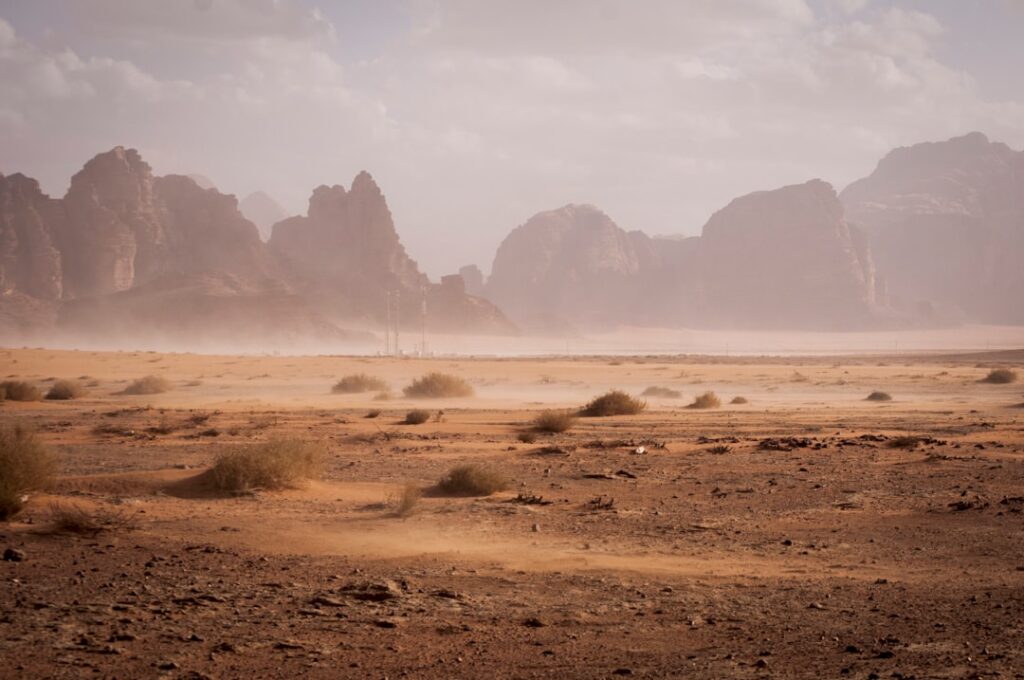
Kufra is situated in southeastern Cyrenaica within a basin surrounded by sand seas. It represents the final inhabited area before the desert stretches northward. For migrants, the oasis functions as a bottleneck.
For those in desperate circumstances, passage through it is a calculated risk. The May 30 accident is neither the first nor the last such incident on this path.
Kufra’s historical significance helps explain why people continue to travel through it. In the late 19th century, the Senussi order designated it a holy site, transforming the oasis into a hub for education and commerce. During World War II, the Western Desert Campaign made it a strategic objective, with British forces capturing it from Italian control in 1941. The desert’s indifference to human affairs remains unchanged.
The region controls east-west land movement. Travelers moving from Sudan toward the Libyan coast must pass through Kufra or take a longer route requiring more fuel and presenting greater risks.
The vehicle involved in the May 30 crash was likely overloaded, as is common with migrant transport. The truck it struck was probably carrying goods to or from the coast. The collision was severe, killing twelve people.
Emergency services in Kufra are limited. The nearest hospital is several hours away, and the desert does not allow for delays.
Libya’s migrant crisis stems from multiple factors. The war in Sudan has driven people northward, while lawlessness in Libya has fostered a smuggling economy. The Kufra route is among the busiest and deadliest.
Migrants die from thirst, heat, gunfire, and traffic accidents. While the May 30 crash was a traffic accident, the circumstances that placed those twelve individuals in that vehicle were not accidental.
The Senussi established a religious center here. The Italians built an airfield. The British constructed a garrison.
None of these developments prepared Kufra for the modern migrant trail. The oasis has limited infrastructure, poor roads, and vast distances.
When a crash occurs in the desert, help arrives slowly, and time proves fatal. Kufra’s geography dominates the route. The basin is flat, the horizon empty.
Drivers push to cover ground before nightfall, combining fatigue, speed, and overloaded vehicles. The outcome is predictable.
The May 30 death toll was twelve, though it could have been higher, as it has been in previous incidents. The migrants were Sudanese heading north to escape a country at war. Instead, they encountered a truck. This is the story of the modern Sahara: people move, the desert waits, and sometimes they meet in the middle.




