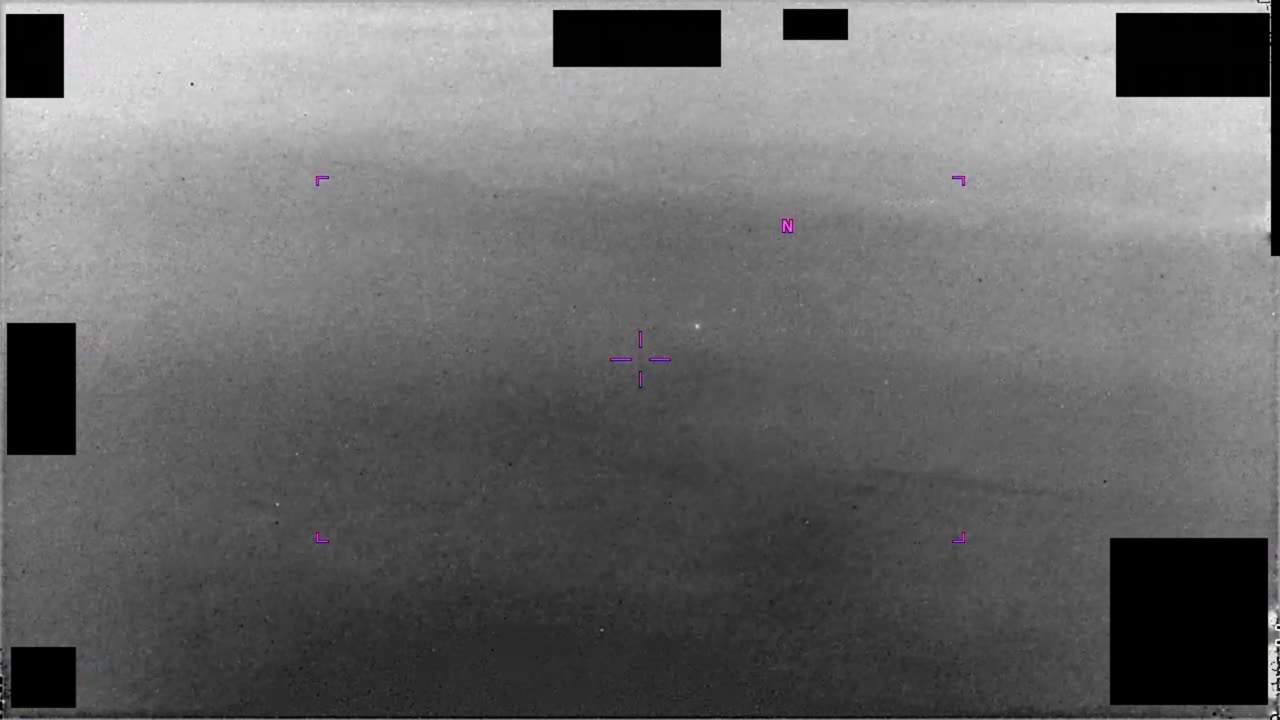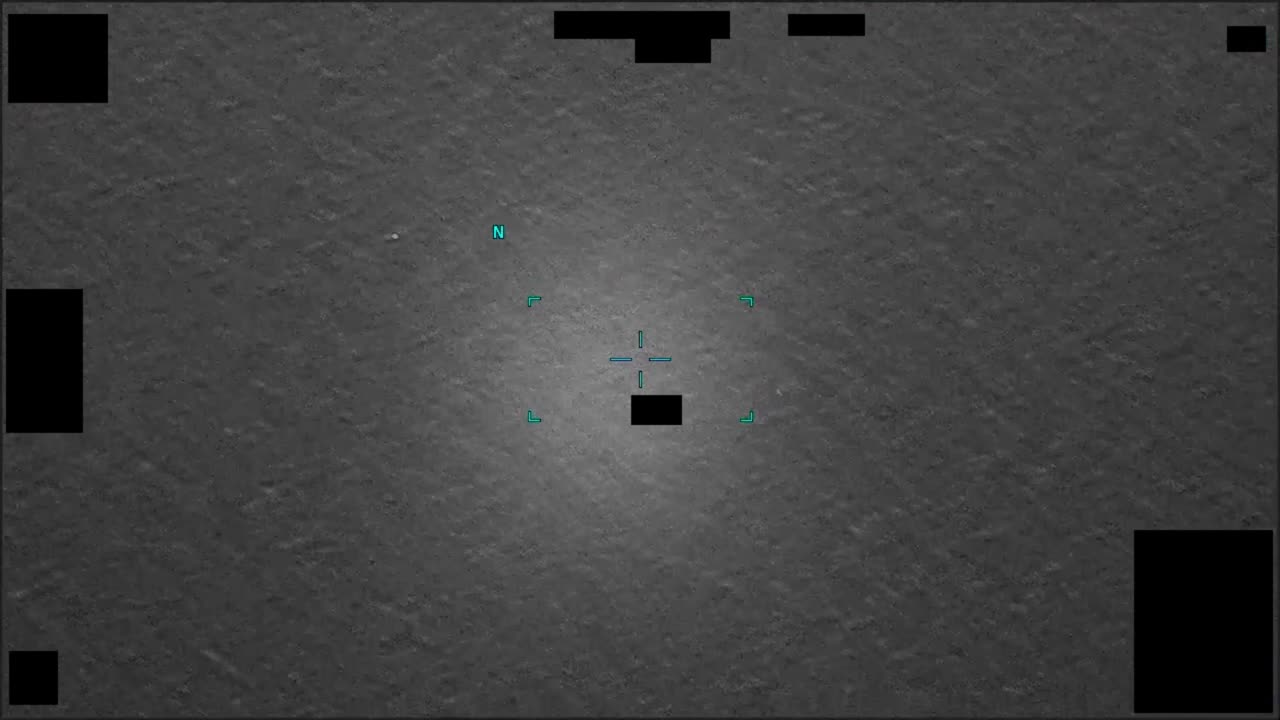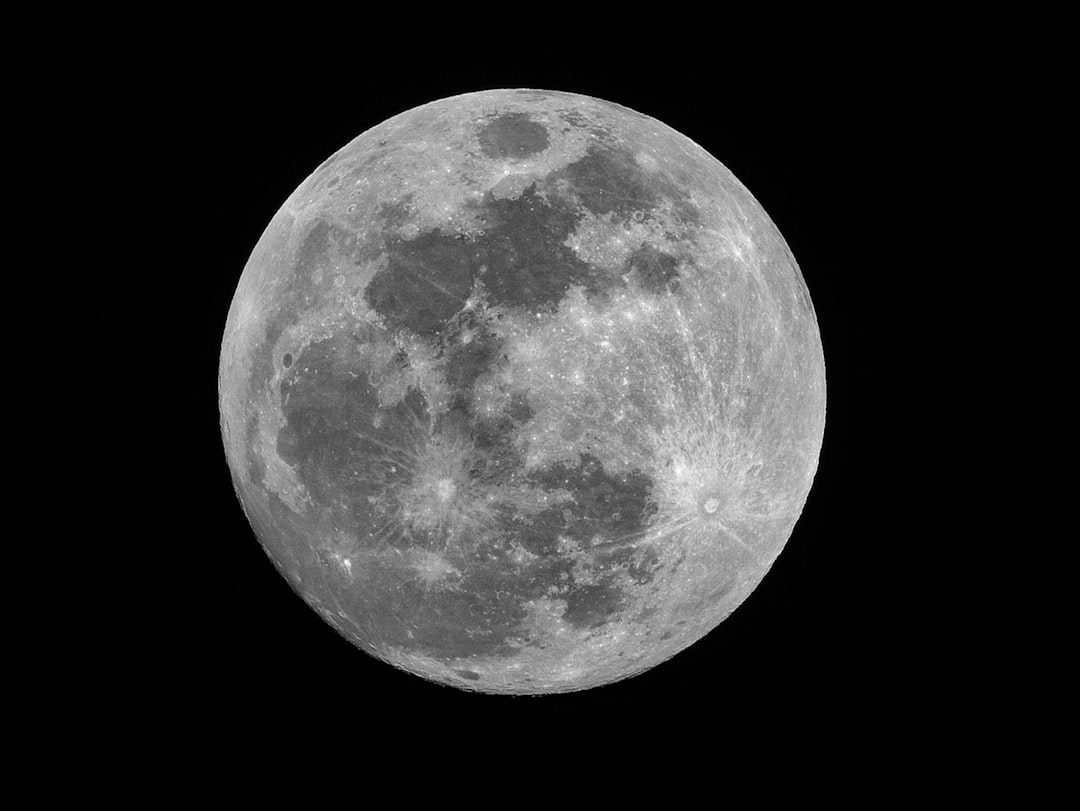
Fifty-seven years after the Apollo 12 astronauts saw strange lights and debris streaming past the Moon, a newly released NASA transcript puts the moment back under scrutiny. The document, made public on May 8, 2026, through the Department of War’s PURSUE archive, records two specific windows of time during the 1969 mission when the crew reported unidentified phenomena. The official summary states the transcripts “contain contemporaneous observations by the flight crew reacting to unidentified phenomenon.”
The fourth crewed U.S. mission to the Moon and the second to land on its surface, Apollo 12 launched in November 1969, four months after Apollo 11. Its crew—Commander Charles Conrad Jr., Command Module Pilot Richard F. Gordon Jr., and Lunar Module Pilot Alan L. Bean—spent ten days in space. The newly released document focuses on two periods: a one-hour stretch on the fifth day and a two-minute stretch on the sixth.
The more detailed account comes from Day Five. At 05:19:27:25 mission elapsed time, Bean reported seeing particles and flashes of light through the Alignment Optical Telescope, or AOT. The AOT was a small telescope mounted in the lunar module, used for navigation by sighting stars. Bean described looking into the dark quadrant of the instrument. “You can see these lights – particles of light. flashes of light just seem to come from – in this case, I’m looking in quadrant 1 which is the left one. It’s coming from behind me, the left, and they’re just sailing off in space.”
He then tried to explain what he saw. “I was thinking they’re dropping from my water boiler. but it looks like some of those things are escaping the Moon.” Bean added that the objects “really haul out of here and just press off at the stars.” Ground control in Houston answered with a single word: “Roger.”
The water boiler reference is key. Apollo spacecraft used water boilers as heat exchangers—they vented steam into space. Engineers on the ground would have immediately considered that explanation. But Bean himself questioned it. He said the objects looked like they were “escaping the Moon,” not simply boiling off the spacecraft. The transcript does not record any follow-up from Houston.
The document’s title—”NASA-UAP-D1, Apollo 12 Transcript, 1969″—places it squarely in the UAP framework. UAP stands for unidentified anomalous phenomena, the modern government term for what used to be called UFOs. The Department of War’s PURSUE archive began releasing such documents in 2024 under a directive from Congress. The department’s mandate is to collect and declassify military and intelligence records related to UAP sightings.
Apollo 12’s encounter has been discussed in astronaut memoirs and space history circles for decades. Bean himself later wrote about seeing what he called “moon sprites” or “moon flashes.” But the raw transcript, with its time stamps and truncated dialogue, carries a different weight. No narrative smoothing. No hindsight. Just a man in a metal box, 240,000 miles from Earth, telling Houston what he saw through a telescope.
The two-minute period on Day Six is noted in the summary but not detailed in the released excerpt. The document’s summary simply refers to “unidentified phenomenon” during that window as well. Whether the crew reported something similar or entirely different is not yet clear from the public record.
What matters now is context. In 1969, the Cold War was at its peak. The Apollo program was a direct response to Soviet space achievements. Every anomaly was first checked against hardware failure, then against Soviet activity, and only then considered anything else. The transcript shows that process in real time: Bean offers a mechanical explanation (water boiler), then immediately contradicts himself (“escaping the Moon”). Houston says “Roger” and moves on.
Fifty-seven years later, the PURSUE archive’s release of this single document does not answer what Bean saw. It does, however, confirm that the official record contains a first-person observation of something the astronaut himself could not fully explain—and that the mission’s ground controllers did not press the question.