
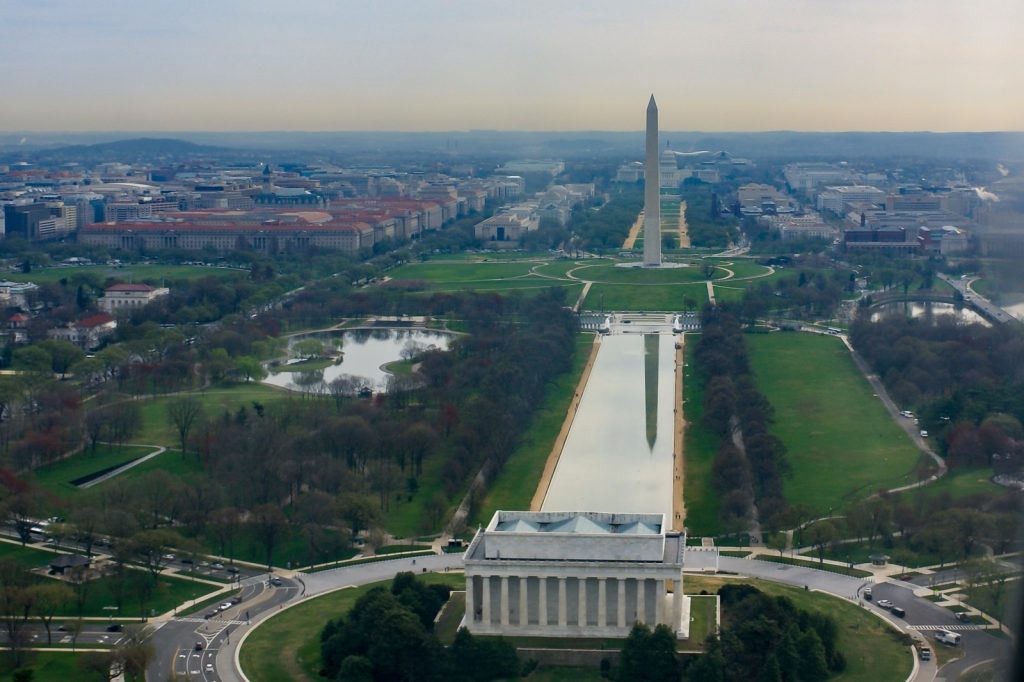
National Park Service officials have known for years that the maintenance backlog at America’s parks was a crisis. Now, at least $90 million in entry fees—money visitors paid expecting it to fix crumbling roads and aging water systems—is being redirected to Washington, D.C., for beautification projects tied to the America 250 celebration. The move has drawn sharp criticism from policy experts who track federal land management.
The calculus, as described in a Washington Post report, is straightforward: dollars collected at park gates were supposed to chip away at a $24 billion liability. Instead, they are funding spruced-up capital grounds for a major anniversary event.
“This signals a clear prioritization of political optics over infrastructure needs,” said one specialist familiar with the Park Service’s funding structure. The expert, who spoke on condition of anonymity, noted that the maintenance backlog has been a bipartisan worry for years. Lawmakers from both parties have acknowledged the parks are deteriorating faster than available funds can keep up.
The $24 billion figure represents only the most urgent repairs. That covers roughly 400 sites managed by the National Park Service—everything from battlefields and monuments to vast wilderness areas.
The backlog includes crumbling roads, aging water systems, and deteriorating historic structures. The diverted $90 million is a fraction of that total, but the principle, experts say, is what stings. “Entry fees paid by visitors are supposed to help address those very problems,” the specialist said.
“Instead, the administration is redirecting those dollars toward sprucing up the nation’s capital.” The America 250 celebration will draw international attention to Washington. The administration wants the capital to look its part. But the broader stakes involve the condition of parks that millions of Americans visit each year.
Many of those sites are struggling with basic maintenance. Park advocates have long argued that the fee system was designed as a user-funded mechanism to supplement congressional appropriations.
When a visitor pays to enter Yellowstone or the Grand Canyon, the understanding is that money stays local. It repairs the road to the Old Faithful parking lot. It fixes the leaky restroom at a trailhead.
It shores up a historic cabin that is slowly rotting. That understanding has now been broken.
The $90 million is leaving those parks and heading to D.C. Critics say the move undermines public trust. If visitors cannot count on their fees to maintain the sites they paid to see, why pay at all? That question becomes more urgent as the maintenance backlog grows.
The $24 billion figure is not static. It rises each year as roads crumble further and pipes corrode deeper. The National Park Service oversees an enormous portfolio.
The agency manages more than 400 sites. Many are in remote areas with little private-sector support.
The parks depend on federal funding and user fees to keep basic operations running. This is not the first time park fees have been diverted to other purposes. But the scale and the visibility of the America 250 project make this instance particularly notable.
The celebration is a once-in-a-generation event. So is the condition of the parks, advocates say—but for the wrong reasons.
The $90 million figure comes from a Washington Post report dated July 6. The report details how the money is being pulled from a system already buckling under the weight of its own deferred maintenance. The administration has not publicly explained the decision in detail.
But the effect is clear: money meant for the parks is now funding D.C. beautification. For now, the parks wait. The backlog remains.
And the visitors keep coming, paying fees they thought would fix the very problems they see when they arrive.




