
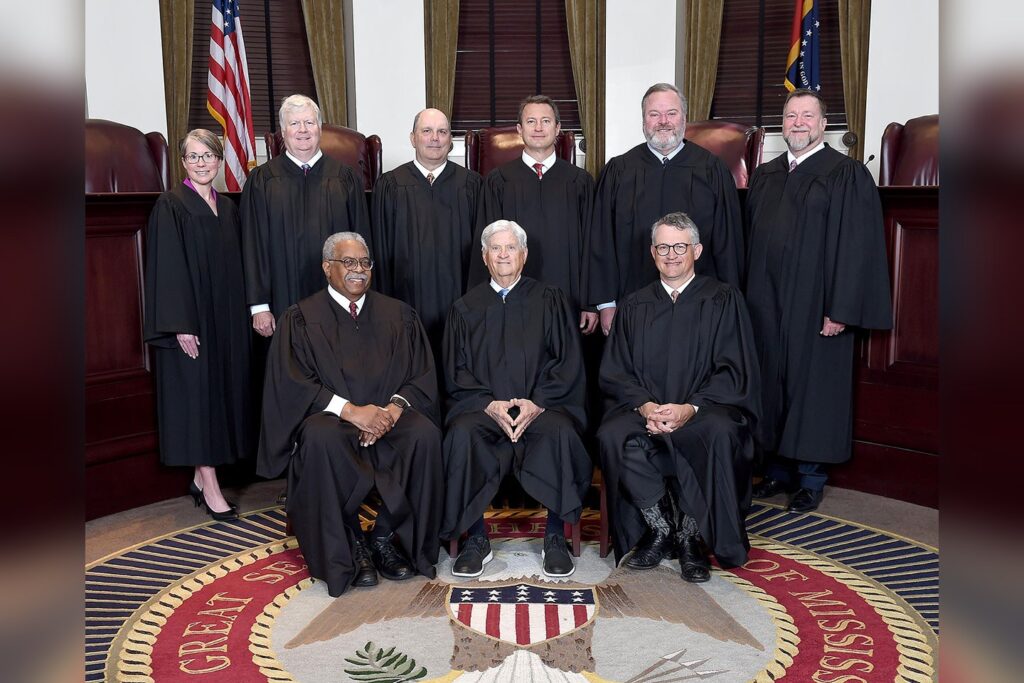
On June 30, the Supreme Court struck down President Trump’s executive order on birthright citizenship. Chief Justice John Roberts wrote for a five-justice majority in Trump v. Barbara. The Brookings Institution described the ruling in a July 2 analysis.
The order, issued in 2025, said children born in the United States to parents who are temporarily or unlawfully present are not “subject to the jurisdiction” of the country. It claimed they therefore do not qualify for citizenship under the 14th Amendment or the Immigration and Nationality Act, which uses the same wording. Challenges to it reached the Supreme Court quickly.
What the majority said
Roberts wrote that both English common law, which Americans adopted, and the public meaning of the amendment’s text show that birth on American soil is enough for citizenship. The majority held the order violated the Constitution.
The 14th Amendment, ratified in 1868, says “All persons born or naturalized in the United States, and subject to the jurisdiction thereof, are citizens.” It came three years after the Civil War and overturned the Dred Scott decision, which held that African Americans could not be citizens. Children of foreign diplomats were outside U.S. jurisdiction and did not become citizens, Brookings noted. Native Americans, treated as subject to tribal governments, were also excluded until the Indian Citizenship Act of 1924. Congress reaffirmed the general rule in the Immigration and Nationality Acts of 1940 and 1952.
Kavanaugh and the dissent
Justice Brett Kavanaugh agreed with the result but not the reasoning. The constitutional question “is not straightforward, much as we might want it to be,” he wrote. In his view the order went beyond existing statutes by adding two new limits to the one Congress has codified. To do it lawfully, the president would have to persuade Congress to amend those laws.
Three justices dissented. Justice Clarence Thomas, in a 91-page opinion, argued that historical evidence shows birth in the United States was not enough, and that a person also had to establish “domicile” to show allegiance and fall under U.S. jurisdiction. Roberts answered that citizenship and domicile are unrelated legal categories.
Brookings noted that several legal scholars have lately assembled evidence supporting Thomas’s reading, but that some originalists using the same methods reached the opposite conclusion. John Yoo and Robert Delahunty, both supporters of a strong executive, published “The Originalist Case for Birthright Citizenship” in 2025 and concluded the amendment’s “text, structure, and history” back the traditional view.
What comes next
Trump took Kavanaugh’s opinion as an opening. On Truth Social he called on Congress to pass legislation backing his view. House Speaker Mike Johnson and Senator Mike Lee, though, see little point while a Supreme Court majority rejects the order on constitutional grounds. “You got to amend the Constitution to fix this,” Johnson said. “The long fight for a constitutional amendment begins now,” Lee said.
Brookings called an amendment almost impossible to muster given today’s polarization, and said it is unclear that even a bare majority of Americans back changing the practice.




