California has been rattling for centuries. Spanish explorers felt it first in 1769, traveling north from San Diego along the Santa Ana River. They wrote it down. Missionaries kept recording shakes until the missions closed in 1834. Then came the gold rush, and suddenly a lot more people were paying attention.
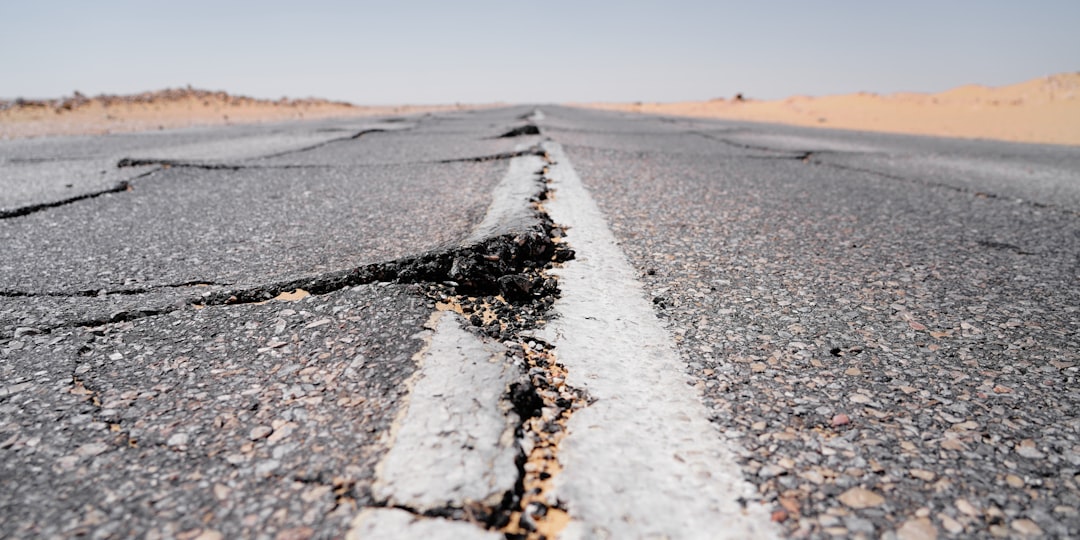
That history matters now because on August 20, 2023, a magnitude 5.1 earthquake hit Ojai. Minor damage was reported. The quake was not unusually strong. But it did what earthquakes in California have always done: it reminded people the ground beneath them moves. It always has.
From 1850 to 2004, the state averaged one potentially damaging earthquake per year. Many of those caused no significant loss of life. Many did not even cause significant consequences. But the average is an average. It flattens the big ones into the small ones. The 1906 San Francisco quake is in that average. So is a 4.0 that cracks a sidewalk in Bakersfield and nobody remembers a week later.
Ojai’s 5.1 falls somewhere in the middle. It damaged things, but minor things. It did not kill anyone. It did not level a town. It did, however, force a reckoning with the state’s long relationship with seismic activity. That relationship predates the state itself. Spanish missionaries who kept records in the late 1700s were already documenting what Native peoples had known for millennia: California shakes.
The gold rush brought a flood of newcomers. They built towns. They built cities. They built them on fault lines, because the fault lines are everywhere. The state’s landscape was shaped by earthquakes long before anyone drew a border around it. That shaping continues. The August 20 quake is just the latest push.
Officials and residents are now taking stock. They are assessing the area’s vulnerability. They are thinking about disaster preparedness. These are not new conversations. They happen after every tremor, big or small. The question is whether the conversations stick.
California has become a hub for innovation. The state builds sustainable communities. It invests in renewable energy sources like solar and wind power. Those investments matter for energy security and reducing costs. They also matter for resilience. A grid powered by distributed solar can survive a quake better than one dependent on a single gas plant that might crack. A community with backup power can keep water pumps running. It can keep phones charged. It can keep people informed.
None of this is new either. The state has been investing in these systems for years. But each earthquake, even a moderate one like the 5.1 in Ojai, tests those systems. It tests the planning. It tests the infrastructure. It tests the patience of people who just want to go back to normal.
The earth does not care about normal. It shifts. It settles. It releases pressure built up over decades or centuries. The 5.1 was a release. It was not the big one. It was not even a particularly notable one by California standards. But it was real. It was felt. It damaged things.
And it will happen again. The state’s own records prove that. From the Spanish missionaries to the gold miners to the modern seismologists, the data is consistent. California shakes. The only variable is when.