
A Remote Investigation
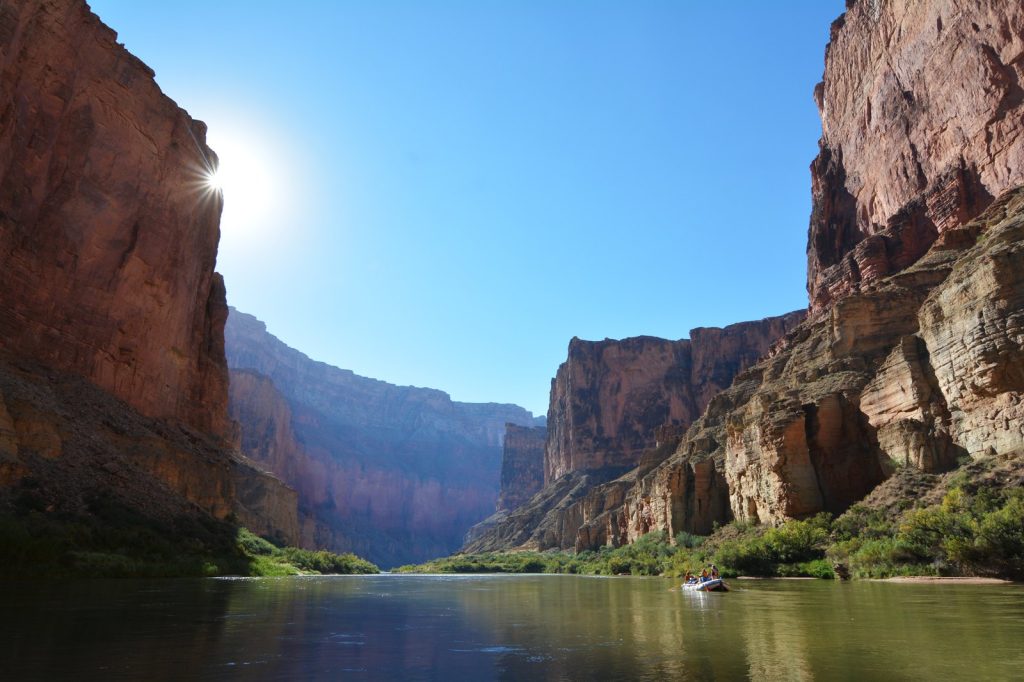
The National Park Service, established in 1916, is leading the inquiry. Officials have not yet determined whether the illness is waterborne, airborne, or linked to food supplies carried by the rafting parties. No quarantine measures have been announced, and the agency has not issued a broad public health warning beyond the investigation itself. The remote geography of the Grand Canyon complicates any medical response: the chasm plunges more than a mile from rim to river, with a maximum depth of 6,093 feet (1,857 meters). Evacuating sick rafters from the canyon floor is a logistically challenging operation under the best circumstances.
This is not the first health scare along the Colorado River through the Grand Canyon. The park’s backcountry isolation, combined with high tourist volume, creates ongoing difficulties for disease surveillance and emergency response. What makes this case notable is the active investigation without a named cause, leaving public health officials to consider multiple possibilities. The NPS has not confirmed whether the illness is infectious or environmental in origin, and no travel restrictions have been put in place for the roughly 6 million people who visit the Grand Canyon each year.
Geographic and Historical Context
The Grand Canyon stretches 277 miles in length and reaches up to 18 miles in width. It is a UNESCO World Heritage Site, drawing millions of visitors annually to its rim and inner canyon. The steep-walled gorge in northern Arizona was carved over millions of years by the Colorado River, which began its course through the region roughly five to six million years ago, gradually deepening and widening the chasm and exposing nearly two billion years of geological history.
Long before widespread tourism, Indigenous peoples lived in and around the canyon for thousands of years. Some groups, including the Hualapai, Havasupai, and Navajo nations, consider the canyon a sacred place. Spanish explorers arrived in the sixteenth century, but it was not until the late nineteenth and early twentieth centuries that the area gained broader attention. President Theodore Roosevelt played a key role in preserving the Grand Canyon, recognizing both its natural splendor and cultural significance. Today, the surrounding landscape includes federally managed areas such as Grand Canyon National Park and lands of the Hualapai, Havasupai, and Navajo nations.
Operational Challenges and Next Steps
The volume of annual tourism–roughly 6 million visitors–makes any health incident on the river a significant operational concern for park officials. The figure underscores the pool of people potentially exposed to the conditions that caused the rafters’ symptoms, though the NPS has not indicated any wider risk. The investigation is separate from the Boeing 737 incident that has occupied the same news cycle, and the agency’s focus remains solely on the Colorado River corridor.
For the millions who visit Grand Canyon National Park each year, the key takeaway is that the National Park Service is monitoring the situation. No specific pathogen has been identified, and the investigation is still in its early stages. Park officials are expected to continue assessing environmental factors, reviewing medical records from affected rafters, and coordinating with public health partners. What to watch next: whether the NPS identifies a cause and whether any health advisory is issued for future rafting trips on the Colorado River through the canyon. As always, individuals should consult their doctor for medical advice regarding travel and health concerns.




