
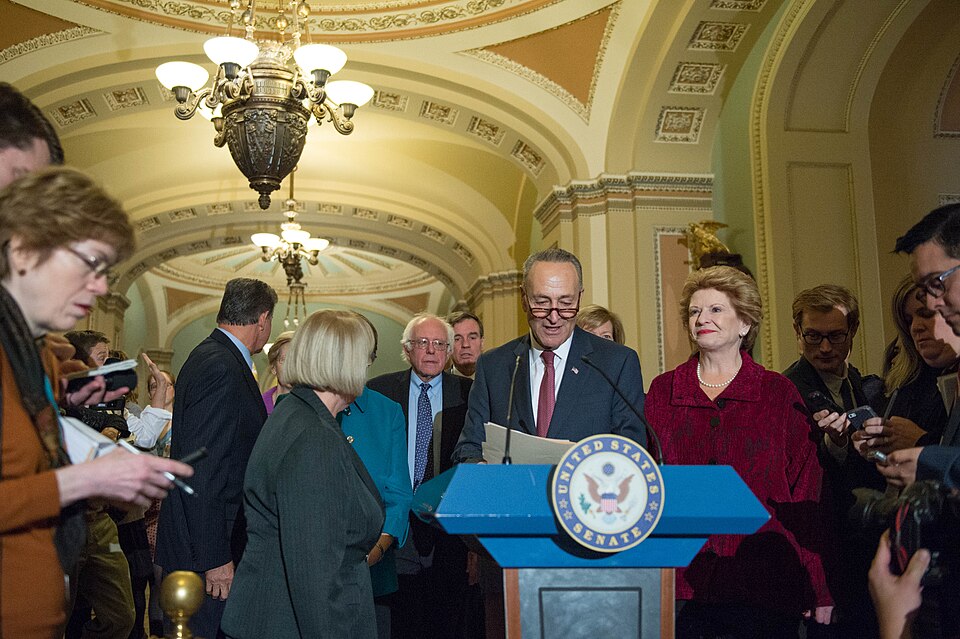
Fifty-three to 47. Every Republican voted yes, every Democrat voted no, and the Stop Insider Trading Act died on the Senate floor on September 30, seven votes short of the 60 it needed to end debate.
Strategically, the result was settled long before the roll call. The House had passed the bill, H.R. 7008, in July on a 232-198 vote, with 13 Democrats joining Republicans. Sponsored by Rep. Bryan Steil, a Wisconsin Republican, it would bar members of Congress, their spouses and dependent children from buying shares in publicly traded companies. Members could keep what they already own and sell later, but only after giving public notice of at least seven days. Violators would face a penalty of $2,000 or 10% of the transaction, whichever is greater.
The voter ID rider
The trouble was what rode along with it. Steil paired the trading limits with his Voter ID Act, which requires photo identification from voters in federal elections, and he said so in the press release announcing House passage. Democrats called it a poison pill. Senate Democratic Whip Dick Durbin described the package as “a voter suppression bill masquerading as an inadequate congressional stock trading ban.” Chuck Schumer, the minority leader, called the trading rules “as ineffective as a screen door on a submarine.”
Democrats also objected to the substance. Because current holdings stay untouched, they argued, the bill leaves the core conflict in place. House Democratic leader Hakeem Jeffries added that it exempts the president, vice president and cabinet.
Sen. Alex Padilla of California said he would have backed a tougher bill had Republican leaders allowed a vote. “Instead, they had this sham bill with the poison pill provisions,” he said.
Republicans split on the tactics
The White House put out a statement the afternoon of the vote, casting each Democratic no as a vote for corruption. Trump had told Congress in February to pass the bill “without delay.” Sen. Bernie Moreno of Ohio put the party line bluntly: “The Democrats want insider trading to continue.”
Not every Republican was comfortable. Sen. Josh Hawley of Missouri backs a stricter measure that would ban members from owning or trading individual stocks. He called the House bill “not nearly as robust as I would like,” though he did not vote against it. Sen. Thom Tillis of North Carolina told Roll Call that attaching voter ID “gave them an out for a policy that I think is critically important.” In his words: “That to me is a messaging exercise going bad.” Rep. Thomas Massie of Kentucky went further, saying leadership added the rider to guarantee Democratic opposition ahead of November.
Polling puts 86% of Americans behind a congressional stock trading ban. Yet nothing meaningful has changed since the STOCK Act took effect in 2012, which requires disclosure of transactions over $1,000 within 45 days but limits nothing a lawmaker may buy or sell. Hawley’s bill cleared the Senate Homeland Security committee and has not reached the floor. With the midterms weeks away, neither party has much reason to pass a clean version before then.
Sources
- Senate Democrats Blocked a Bill Banning Congressional Stock Trading — Why Republicans Counted on That
- Senate Democrats Block Congressional Stock Trading Bill




