
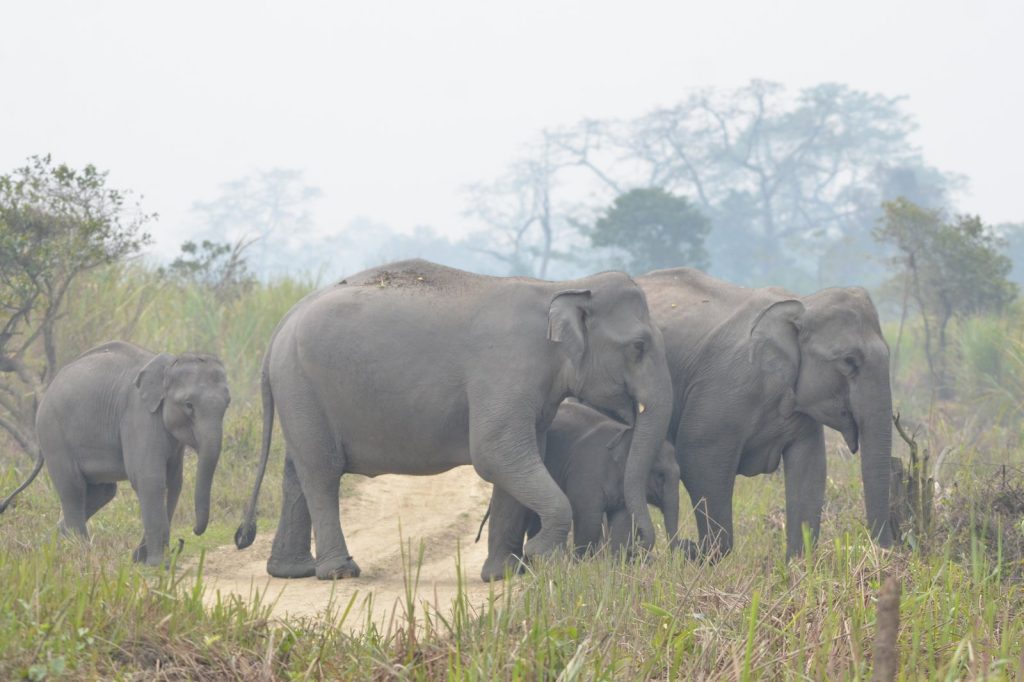
Six dead, one child badly hurt, a herd of five elephants, and a village asleep at 2am. That was the toll in Gondwar, a settlement in Churchu block of Jharkhand’s Hazaribagh district, on February 13, 2026.
The animals had been working their way through Bokaro, Ramgarh and Hazaribagh for days. They had already killed in Bokaro. Hazaribag East divisional forest officer Vikas Kumar Ujjwal told PTI that his staff warned villagers over a public address system as the herd approached. It did not help. “When people tried to flee from their houses, six of them were trampled to death,” he said.
Four of the dead belonged to one family. Officials told Hindustan Times that the herd first went for a 60-year-old man, and that relatives who ran out to help were surrounded. Two of the victims were small children, and one of them died in hospital. A relative, Poonam Devi, said two children had been left alone in the house when the elephants arrived.
Why this village
Ujjwal said the herd had been moving along the Bokaro-Ramgarh border and nobody expected it to cross into Hazaribag. Wild elephants, he said, had never been seen in that locality. Villagers did not know how to behave around them, he explained, and by stepping out of their houses they made the animals more aggressive. The elephants did not know the terrain either. The Times of India quoted him saying the herd reached Gondwar late at night and entered a house looking for stored grain.
Villagers told the paper they beat drums and utensils and swung torches to drive the animals off. The elephants stayed in the settlement for a long time before returning to the forest, about 3 km away.
Orders, payouts and politics
By the next day the administration had imposed prohibitory orders in Churchu under Section 163 of the BNSS, effective from February 13 until further notice. Funeral processions, marriages and other essential social functions were exempted. A quick response team was sent to push the herd out of the block.
Officials said Rs 25,000 had been paid to the kin of each victim for funeral costs, and a process to release compensation of Rs four lakh per family member killed had begun. The Times of India reported that the rest of the money under government rules was promised within a month.
Hazaribag MP Manish Jaiswal visited the bereaved families and tied the deaths to illegal mining. “Blasting in illegal mines and unchecked movement of heavy vehicles through traditional elephant corridors are disturbing their natural habitat,” he said. Dumri MLA Jairam Mahto called the killings very painful, asked the government to rebuild houses the elephants damaged, and said he would raise the matter in the state assembly.
A bad season
PTI placed the attack in a run of them. Earlier in February, a herd of five elephants had trampled three elderly members of a family to death in Bokaro and injured a woman. In January a single rogue elephant had killed 13 people in two days across West Singhbhum district. In several Jharkhand villages, residents were sleeping on rooftops, crowding into concrete houses and setting up night watch groups.
Forest officials told PTI that mining, development work and the destruction of forest corridors had pushed elephants toward human settlements in search of food.
Sources
- Four of family among 6 killed in wild elephants' attack in Jharkhand (Rediff.com / PTI)
- Prohibitory orders imposed in Churchu after elephants trample six to death (The Times of India, Vishvendu Jaipuriar)
- Jharkhand: Elephant herd attacks village; six, including four of a family, dead (Hindustan Times, Raj Kumar)




