
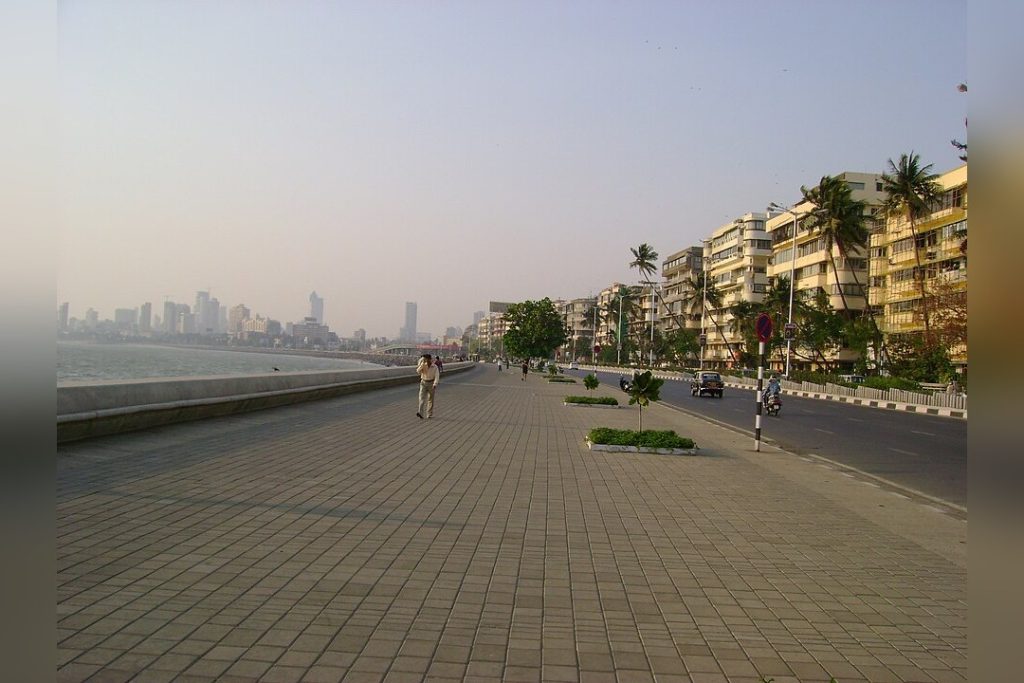
A five-year-old boy was walking to school with his father around 9 a.m. when a tanker lorry hit him from behind. He died of his injuries. On Friday, June 19, the Supreme Court of India used his father’s compensation appeal to rule that the right to walk on a demarcated footpath is a fundamental right.
The bench of Justices P.S. Narasimha and Atul S. Chandurkar said that right “is primary and shall have priority over movement by motorised vehicles.” The father, Maniyar Iliyaz, also known as Shaik Riyaz, had appealed after the High Court cut the compensation awarded to him. The Supreme Court restored and raised it to Rs 11,44,628, about Rs 11.44 lakh, and ordered it paid within two months. The case is Maniyar Iliyaz v. P. Ayyappan.
The constitutional basis
The judges traced the right to Article 19(1)(d), which protects freedom of movement, read with the other freedoms in Article 19 and the right to life in Article 21. Walking safely on public roads, the court said, is not a civic convenience. It is a constitutionally protected entitlement.
A violation, the bench added, lets citizens seek remedies under the Constitution, including compensation, whatever the Motor Vehicles Act says. It also faulted that law and the planning around it. In practice, the court said, it has often pushed pedestrian safety aside and left footpaths inadequate or unsafe.
Justice Narasimha, writing for the bench, called walking the “simplest of the simple human activity” and said it runs deep in India’s culture and its freedom movement. He described decades of planning shaped by “civilizational neglect” and an “elitism of wheels.” In modern urban planning, the bench said, “wheels eclipsed our imagination.”
“While the right to walk is inextricably connected to life, our Constitution recognises and guarantees it as a fundamental right,” the judges wrote. On the boy’s death they said: “Accidents like this continue to occur, perhaps they are inevitable till we restructure our rights regime as regards access to roads and recognise their correlative duties.”
Who must build footpaths
The court put the duty on the bodies that build roads. Urban development authorities, municipal corporations, municipalities and panchayats must demarcate, construct, maintain and protect footpaths wherever a public road exists. Its reasoning was that the road itself creates the obligation.
The bench told its registry to send the judgment to the Union ministries of Housing and Urban Affairs, Rural Development, and Road Transport and Highways, and to the Law Commission. It called for a regulatory framework, including a dedicated body to protect pedestrian rights.
The court also converted the matter into a petition under Article 32 and added the Union Government as a party. One report on the ruling said this sets up an ongoing proceeding in which the court can monitor footpath safety across states and union territories.
Sources
- Supreme Court Declares 'Right to Walk on Pavements' as Fundamental Right
- SC Declares Right to Walk Safely a Fundamental Right – Free Law




