
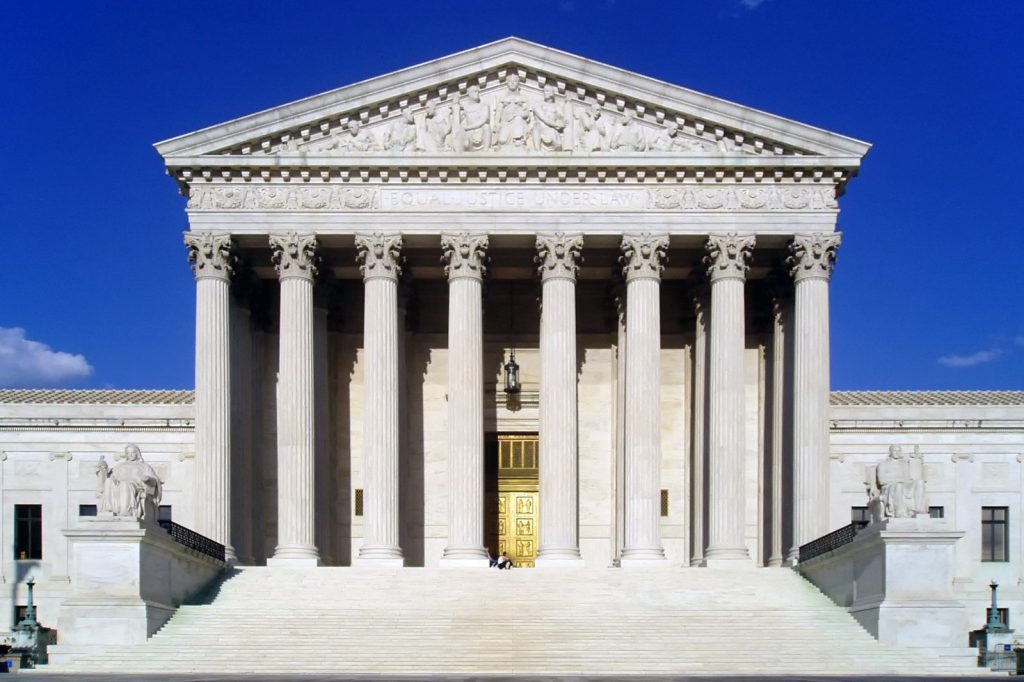
WASHINGTON, October 16, 2026 — The U.S. Supreme Court has agreed to hear a case challenging the Trump administration’s policy of mandatory detention for all undocumented immigrants, regardless of criminal history or flight risk.
The policy, which reversed decades of precedent allowing bond release for non-threatening migrants, has led to a surge in detention center populations and widespread legal challenges across the country.
Supreme Court to Rule on Detention Policy Shift
The Court will decide whether the administration’s reinterpretation of immigration law — mandating detention for any migrant who entered the U.S. illegally — is lawful. The case directly challenges the Trump administration’s practice of indefinitely detaining immigrants awaiting deportation, a shift that has disrupted long-standing procedures. Previously, undocumented immigrants living in the U.S. could be released on bond if they posed no safety threat or flight risk. But last year, the administration reinterpreted the statute to require detention for all such individuals while awaiting legal proceedings. This change has triggered a significant increase in detention center populations and sparked numerous disputes in lower courts, according to The Guardian.
Thousands Have Successfully Challenged the Policy in Court
Despite the mandatory detention rule, thousands of immigrants have won temporary release by challenging the policy in court. Over the past year, the ABC7 I-Team documented reunions in Chicago between detained immigrants and their families, capturing moments many feared they would never see. Josue Pire-Hidalgo, a Chicago Public Schools custodian, was released after 42 days in custody. Ramiro Cabrera, a father held for 41 days in ICE custody, said, “All I wanted to do was cry with happiness.” These individuals were among many detained after the administration reversed prior policy, arguing it was closing “loopholes” that previous administrations used to allow immigrants to remain free.
Impact on Asylum Seekers and Families in Illinois
The policy has had a pronounced effect on asylum seekers and those with family ties in Illinois. Eva Saltzman, a former Chicago immigration judge, said she continued to review cases based on their merits after the policy shift. She granted release to Ruben Torres-Maldonado so he could spend time with his dying daughter, despite the new mandatory detention rule. Saltzman noted that people who might otherwise seek asylum or cancellation of removal are increasingly foregoing those applications simply to be released from custody as quickly as possible. She added that her career in immigration court ended abruptly in July when she was fired or terminated without cause, saying she handled numerous high-profile cases during her tenure.
What Happens Next
The Supreme Court is expected to hear arguments and issue a ruling by June 2027. The outcome will determine the legality of the administration’s detention policy and could affect millions of undocumented immigrants nationwide, including many in Chicago and across Illinois. Until then, lower courts will continue to process challenges to the policy, while advocacy groups and legal teams prepare for the potential nationwide implications of the Court’s decision.
Asylum Seekers Face Dilemma Between Relief and Detention
Many immigrants who might otherwise pursue asylum or cancellation of removal are choosing to forgo those applications simply to secure release from custody as quickly as possible, according to former Chicago immigration judge Eva Saltzman. She noted that people who would otherwise be seeking relief, who may be eligible for asylum or cancellation of removal, are increasingly going to forgo that application and opportunity so that they’re released from detention sooner.
Saltzman observed this trend after the administration reversed prior policy and imposed mandatory detention for all undocumented immigrants, arguing it was closing “loopholes” that previous administrations used to allow immigrants to remain free. Despite the new rule, she continued to review cases based on their merits, granting release to Ruben Torres-Maldonado so he could spend time with his dying daughter.
After the policy shift, Saltzman said she continued to review cases based on their merits. In the case of Ruben Torres-Maldonado, he was arrested by ICE a year ago but asked to be released to spend time with his daughter who was dying of cancer. Despite the administration’s new policy, Saltzman granted the father’s release.
Sources
- US Supreme Court ruling could impact millions of undocumented immigrants, including many in Chicago
- US Supreme Court to hear asylum fight involving Nigerian cook – AOL
- Immigration, climate, guns: key Trump policies to be tested at supreme court
Photo: ALEJANDRO POHLENZ / Unsplash (Unsplash License)




