
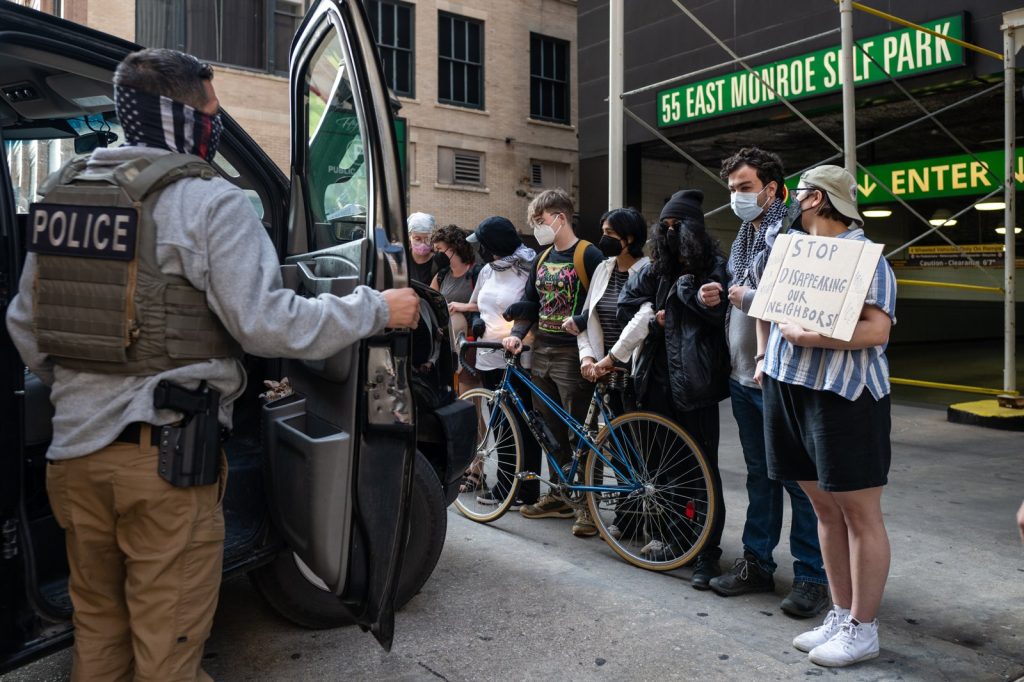
Undocumented immigrants in the U.S. face growing legal uncertainty as policy shifts and court challenges continue to impact their lives. Despite limited constitutional protections, these individuals retain certain rights in employment, education, and due process, though these are increasingly strained by enforcement actions and bureaucratic delays.
Constitutional And Legal Protections
Undocumented immigrants are protected from penalties for irregular entry if they seek asylum promptly under Article 31 of the 1951 Refugee Convention and its 1967 Protocol. Asylum seekers denied asylum may face impediment to expulsion if their home country refuses to receive them or new asylum evidence emerges. According to the European Court of Human Rights, there are enforcement barriers to expulsion to certain countries due to the risk of torture. In the U.S., a federal judge recently barred the government from deporting a man shot by an ICE agent in Manhattan while with his 5-year-old son. The man, Oscar Belgal, is an undocumented immigrant from the Dominican Republic with a history of police run-ins.
Impact Of Federal Paperwork Delays
Processing times for DACA renewals increased more than sevenfold in the last fiscal year, rising from half a month to 3.7 months. There were roughly 436,350 DACA recipients as of June 2026, according to USCIS figures. The Migration Policy Institute estimates New Mexico had 4,130 active DACA recipients as of December 2025. Unlike other immigration pathways, there are no protections for those whose DACA applications are pending, risking loss of work eligibility and deportation protection. Attorneys report clients waiting nine to 10 months for DACA renewal responses, with some considering self-deportation or hiding. The DACA program, established in 2012 by executive action, provides temporary work authorization and protection from deportation for immigrants who arrived before age 16.
Risks And Challenges
Undocumented immigrants face significant risks in employment, education, and access to services. The delays in processing DACA renewals are causing fear and uncertainty among recipients, with some considering self-deportation or hiding. According to Santa Fe immigration attorney Jessica Aguirre, “I understand the fear is palpable, but fear is the point.” The Trump administration’s emphasis on robust alien screening and vetting is causing confusion and delays, with USCIS spokesperson Zach Kahler stating that “working in the United States is a privilege, not a right.” The scene on the ground is one of uncertainty and fear, as residents describe the difficulties of navigating the complex and ever-changing immigration landscape. By nightfall, the streets are filled with the sounds of worry and concern, as undocumented immigrants and their families wonder what the future holds.
What Lies Ahead
The future of undocumented immigrants in the U.S. remains uncertain, with legal challenges and policy implications hanging in the balance. The recent court rulings and policy shifts are causing a sense of unease among immigrants and their advocates, who are working to navigate the complex and often confusing landscape. As the scene continues to unfold, one thing is clear: the rights and protections of undocumented immigrants will remain a contentious issue, with significant implications for the lives of millions of people across the country. On the ground, the impact of these changes is being felt deeply, as undocumented immigrants and their families struggle to make sense of the shifting landscape and plan for an uncertain future.
New Mexico DACA Recipient Statistics
According to the Migration Policy Institute, New Mexico had 4,130 active DACA recipients as of December 2025. This figure represents a subset of the national DACA population, which totaled roughly 436,350 recipients as of June 2026 based on USCIS data. The state’s share reflects its proportionally smaller undocumented immigrant population compared to larger states.
These recipients are part of the broader DACA cohort that has faced increasing processing delays, with renewal times rising from half a month to 3.7 months between fiscal years 2025 and 2026. The lack of protections for pending applications leaves individuals in New Mexico and elsewhere vulnerable to losing work authorization and deportation relief during extended adjudication periods.
Policy Shifts And Legal Challenges
The Trump administration’s emphasis on robust alien screening and vetting is causing confusion and delays, with USCIS spokesperson Zach Kahler stating that “working in the United States is a privilege, not a right.” Advocates say the delays on the Obama-era DACA program are another example of the administration targeting immigrants with legal protections to raise deportation numbers. Immigration attorneys report clients waiting nine to 10 months for DACA renewal responses, with some considering self-deportation or hiding. The cause of the delays is “a renewed emphasis on robust alien screening and vetting, eliminating policies the former administration implemented that prioritized aliens’ convenience ahead of Americans’ safety and security,” according to Zach Kahler.
International Law And Refugee Protections
Under Article 31 of the 1951 Refugee Convention and its 1967 Protocol, people who enter a country without authorization to seek asylum cannot be penalized solely for irregular entry if they present themselves promptly, and are lawfully allowed to remain until their cases are fully processed.
Asylum seekers denied asylum may face impediment to expulsion if the home country refuses to receive the person or if new asylum evidence emerges after the decision, according to the International Refugee Convention.
The European Court of Human Rights has shown in a number of indicative judgments that there are enforcement barriers to expulsion to certain countries, for example, due to the risk of torture.
Sources
- Illegal immigration
- Judge blocks deportation of man shot by ICE agents in Marble Hill
- Federal paperwork delays making undocumented immigrants out of DACA recipients | Searchlight New Mexico
Photo: usicegov (Public domain)




