
The United Kingdom inaugurated the Border Security Command (BSC) on July 7, 2024, creating a new law‑enforcement body aimed at tightening control over the country’s frontiers. The command is mandated to bring together Immigration Enforcement, MI5, Border Force and the National Crime Agency under a single coordinating structure.
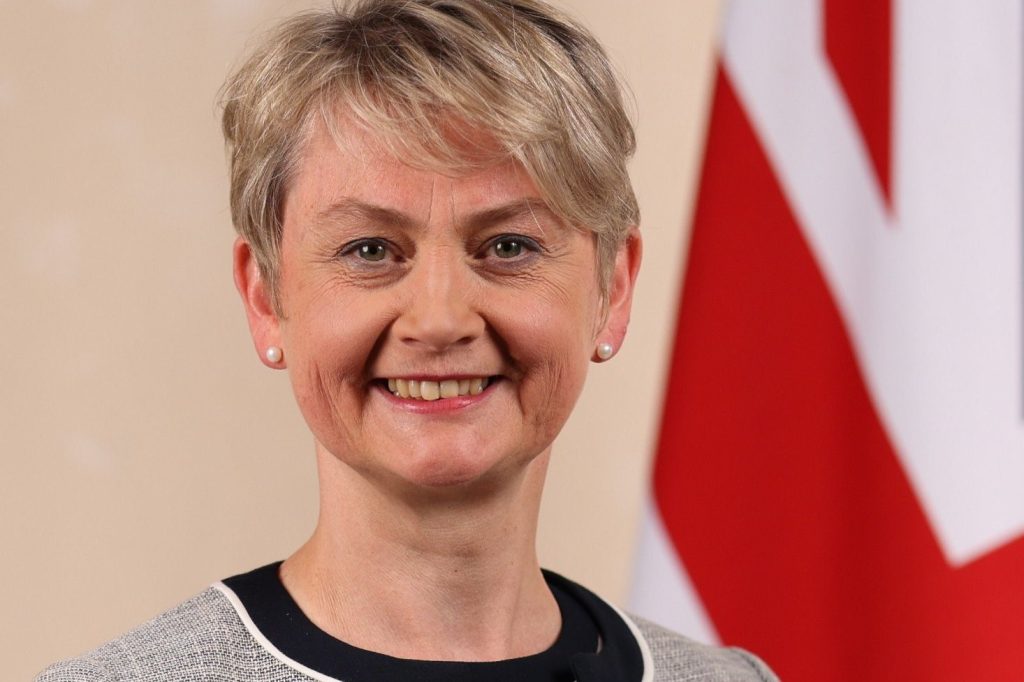
Its primary mission is to confront the smuggling networks that enable illegal migrant crossings of the English Channel. Home Secretary Yvette Cooper announced the formation of the BSC, highlighting her role in steering the initiative. The idea for the command originated with the Labour Party in May 2024, when it was presented as an alternative to the previous Conservative government’s Rwanda asylum proposal.
After Labour secured victory in the 2024 general election, the plan moved forward rapidly, culminating in the official launch of the agency. The BSC is headed by the Border Security Commander, who reports directly to the Home Secretary.
This reporting line is intended to ensure clear accountability and swift decision‑making. By uniting the disparate agencies involved in border and immigration matters, the command seeks to deliver a more synchronized response to the challenges posed by clandestine Channel crossings. The English Channel has long served as a principal route for gangs that facilitate the movement of people without authorization.
Successive governments have faced mounting pressure to devise effective counter‑measures. The BSC is expected to play a pivotal role in undermining the operations of these criminal groups and, consequently, lowering the volume of unauthorised arrivals.
Home Secretary Yvette Cooper’s leadership on the issue has been noted as a driving factor behind the command’s creation. Her announcement of the BSC’s launch marked a notable point in the UK’s broader effort to address illegal migration. Observers have welcomed her commitment to finding workable solutions to a problem that has dominated domestic security debates.
The establishment of the BSC also reflects a wider shift in the UK’s approach to law‑enforcement and national security. By integrating Immigration Enforcement, MI5, Border Force and the National Crime Agency, the government is adopting a multi‑agency model that has previously been applied to other complex threats.
Officials suggest this collaborative framework could enhance the command’s ability to detect, disrupt and dismantle smuggling enterprises. Looking ahead, the coming months will be critical for assessing the BSC’s impact. The agency will confront significant obstacles as it works to impede smuggling activities and reduce illegal crossings. Nevertheless, the government’s stated commitment to resolving the issue, combined with the BSC’s coordinated structure, provides a basis for cautious optimism about its prospects.
Stakeholders will be watching closely for updates on the BSC’s operations, its interactions with partner agencies and any measurable changes in the pattern of Channel crossings. The launch on July 7, 2024, represents a concrete step in the UK’s evolving strategy to safeguard its borders while managing immigration flows.




