
“U.S. law prohibits arms sales to China, and there is no offer or plan to sell arms to China.” That was the State Department’s answer on September 28, a day after the American ambassador to China appeared to say the opposite on television, Export Compliance Daily reported.
The ambassador, David Perdue, was asked on Fox News whether President Donald Trump and Chinese President Xi Jinping had discussed pending American arms sales to Taiwan. He said the two leaders raise the subject whenever they meet. Then he went further. “President Trump continues to say, ‘Hey, we sell arms to other people around the world.’ He actually asked President Xi, would he like to buy some, at one point,” Perdue said. Support for Taiwan, he added, “has not changed.”
The remark came out of a state visit by Xi to Washington. DW, the German broadcaster, billed the three-day trip as long on pomp and short on expected breakthroughs, and later described the White House summit as big on optics and light on substance. Its coverage on September 28 asked the question directly: did Trump offer to sell US arms to China?
Officials say no
Officials moved quickly to shut the subject. Besides the State Department statement, another American official said the government “has no plans to sell weapons to China.” Neither would say whether the matter might come up in later trade negotiations with Beijing.
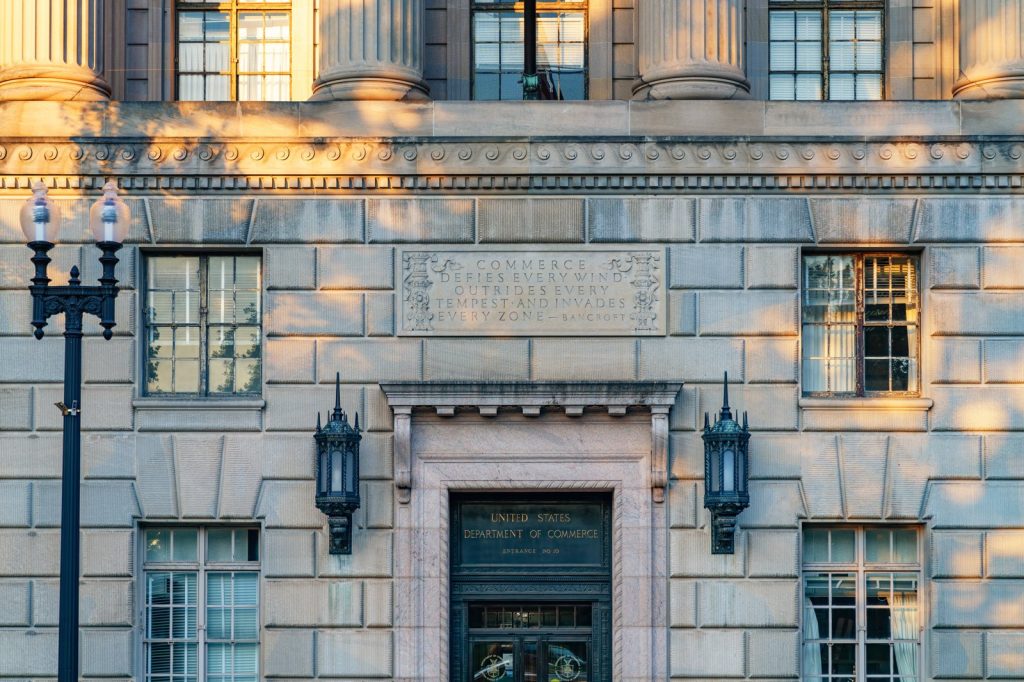
The denials rest on firm regulatory ground. Under the International Traffic in Arms Regulations, the State Department holds a license policy of denial for all defense-related exports and transfers involving China. The Commerce Department’s Bureau of Industry and Security, for its part, lists China among its arms embargoed countries in the Export Administration Regulations. Any move to permit arms sales would reverse long-standing American policy on weapons exports to China, Export Compliance Daily noted.
What the talks covered
The leaders’ trade agenda looked quite different. U.S. Trade Representative Jamieson Greer said on September 25 that the two sides did not use their talks to discuss export controls on sensitive American items, technology included. They talked instead about a so-called Board of Trade, a mechanism meant to remove tariffs on both sides for certain nonsensitive goods.
Late on September 27 the White House published lists of imports into each country that could qualify for reduced duties. On the Chinese side they included American livestock, meat, poultry and seafood, according to an unofficial translation.
So the record, for now, holds one ambassador’s account of an invitation to buy American weapons, and two officials insisting there is no plan to follow it up. Lawmakers, meanwhile, continue to press the administration to move ahead with delayed arms sales to Taiwan.




