UK net migration has plummeted to 77,000, a 92% fall from its 2022-23 peak and the lowest level since 1997, excluding the pandemic. This dramatic reversal is the result of a comprehensive suite of administrative reforms and visa policy changes implemented by the Home Office, which has fundamentally re-engineered the country’s approach to migration.
Reforming Overseas Recruitment and Tightening the Visa System
At the heart of the government’s strategy is a fundamental overhaul of the legal migration system. The administration has asserted that employers were previously using overseas recruitment as a substitute for investing in domestic skills and training. In response, a new principle has been established: legal migration must serve the country’s economic and skills needs, with employers expected to invest in British workers before looking overseas.
This shift has been codified in a series of specific measures. The minimum salary for a skilled work visa has been raised to £41,700, and the skills threshold has been set at degree level. The government has also ended the overseas recruitment of care workers. To ensure higher standards, the English language requirement has been elevated to an A-level equivalent standard. More than 100 occupations have been removed from access to overseas recruitment, and immigration is now contingent on employers demonstrating a commitment to investing in British skills and training. The qualifying period for permanent settlement has been doubled from 5 to 10 years, meaning 500,000 people will now wait longer to settle permanently.
The impact of these changes is stark. The number of work visas issued to foreign nationals, including dependants, has fallen by 63% to 230,000 in the year to September.
Reducing Reliance on Asylum Hotels and Increasing Returns
Alongside reforms to the legal system, the Home Office has moved aggressively to reduce the number of asylum seekers being housed at public expense. The number of people in asylum hotels has fallen by 76% from its peak in September 2023, when it stood at 56,000. At the end of September 2026, that number had dropped to 13,000.
This reduction is part of a broader strategy to increase the number of people being removed from the country. The government has invested significant resources in disrupting people-smuggling gangs across continents, from Iraq and the Balkans to northern France. The stated aim is to restore order to the border and ensure that those with no right to be in the UK have “little reason to think they would ever have to leave” is no longer the case.
Criticism Over Safe Routes and Family Reunion
However, the sharp reduction in net migration has drawn criticism from humanitarian groups, who argue the policies have come at a significant human cost. Flora Alexander of the International Rescue Committee UK stated that behind the fall in numbers is a “harsher reality for people fleeing war and persecution.”
According to Alexander, “they are still risking their lives to reach the UK, because there are so few safe routes available to them.” She highlighted that over the past year, refugee family reunion has been suspended, Afghan resettlement has closed to new applicants, and just 418 people have arrived through the UK Resettlement Scheme. She added that more than 60% of people arriving on small boats come from countries in conflict and crisis, and that having risked their lives, they now face an extra 10 years on their route to settlement, with some potentially never being reunited with their families.
Broader Operational Challenges Facing the Home Office
The Home Office’s ambitious reforms have also been beset by significant operational challenges. A major data integrity failure in a new border control system, the Helios platform, led to people being wrongly detained. The Information Commissioner’s Office (ICO) reprimanded the Home Office, finding it had failed to ensure personal information remained accurate and up to date after introducing the system in October 2024. The ICO’s investigation manager, Joanne Stones, stated that the failure could have resulted in “people being wrongly detained for additional checks or refused entry to the UK.” The issue stemmed from a lack of a dedicated process for reporting and correcting inaccurate data, a problem the Home Office only began to address with a temporary system in October 2025.
As the government continues to bear down on illegal migration, the operational integrity of its border systems remains a critical concern. The Home Office has stated it is bearing down on illegal migration, with small boat crossings down significantly, asylum hotels rapidly closing, and returns increasing. “There is more to do,” Home Secretary Shabana Mahmood acknowledged, “But this Government is restoring order to our border and fairness to our migration system.”
Sources
- Tracking UK migration: Small boats, asylum hotels and visas
- How the government has gripped the migration system in 6 charts
- IRC UK Responds to Home Office Net Migration Figures | International Rescue Committee
- UK Home Office waved through border system without a working fix for bad data
- Net migration drops by more than 90% since Suella Braverman was Home Secretary
- Home Office Reprimanded After GDPR Failure at the Border
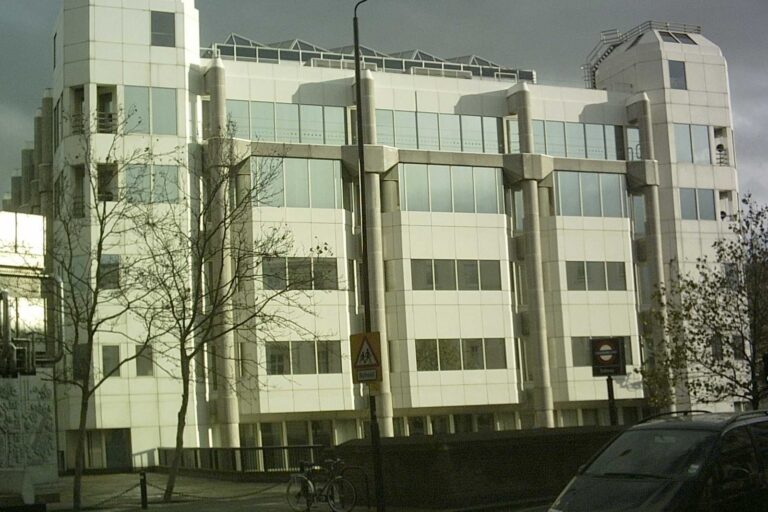
Photo: User:Londoneye (CC BY-SA 3.0)