Behind the Rocket Drill: What Taiwan’s U.S.-Supplied Salvo Signals
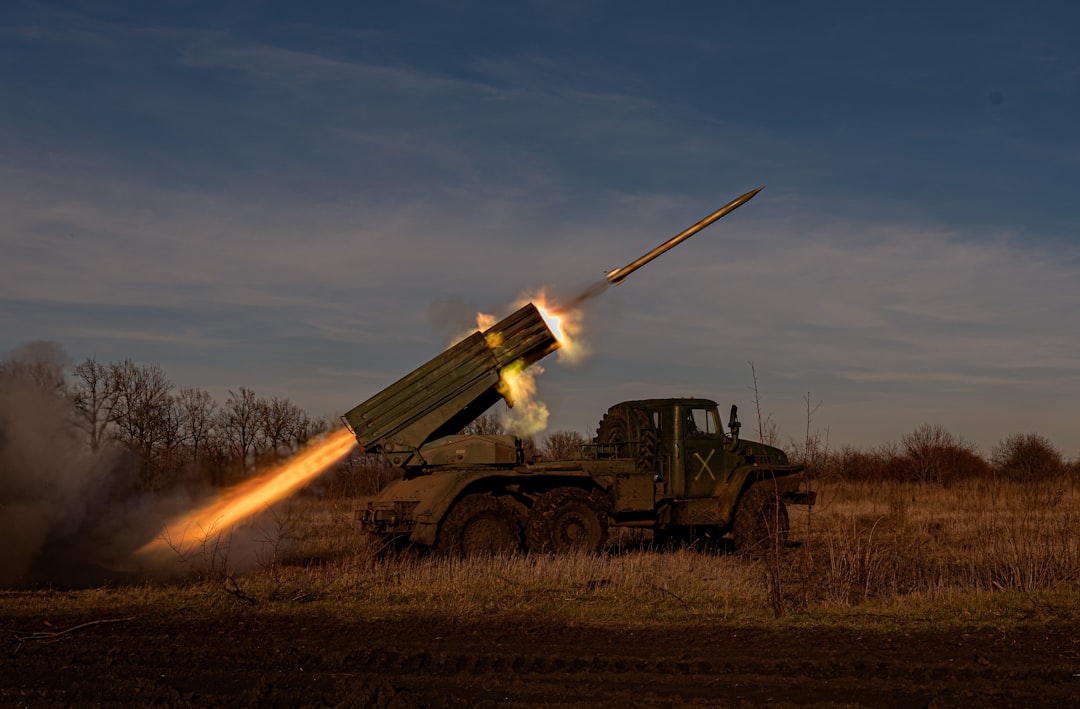
TAIPEI — The rockets that left a U.S.-supplied mobile launcher on June 10 did not land on Chinese soil. They did not need to. The trajectory itself was the message.
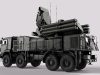
Taiwan fired those rounds in China’s direction during a military drill. The weapon system was American-made. That single fact — the nationality of the hardware — carries more weight than any explosion at a target range.
China has long claimed Taiwan as its own territory. Beijing watches every military move the island makes. This one was different because of where the firepower came from.
The United States has been supplying military equipment to Taiwan for years. Mobile launching systems are part of that pipeline. This drill was the first public demonstration that Taiwan can actually use those systems in a live-fire scenario aimed toward the mainland.
It is a show of force. Plain and simple.
Analysts in the region see the timing as deliberate. Tensions between Taipei and Beijing have been rising steadily. China has increased military patrols near the island. Taiwan has responded by flexing its defensive capabilities. The U.S. keeps sending gear.
That triangle — Washington, Taipei, Beijing — is what makes this drill significant. The rockets themselves are not new technology. The mobile launcher is not a secret weapon. What matters is the signal: Taiwan can and will use American weapons in a way that China cannot ignore.
The drill demonstrates Taiwan’s ability to defend itself. That is the official line. But the subtext is about deterrence. Taiwan is telling Beijing that any potential conflict would not be a simple takeover. The island has tools. Those tools come from a superpower.
Beijing will interpret this as provocation. That is predictable. Chinese officials routinely condemn U.S. arms sales to Taiwan as interference in internal affairs. This drill gives them fresh evidence for that argument.
The United States will likely continue supplying military equipment to Taiwan. The mobile launching system used in the drill is part of an ongoing effort. There is no indication Washington plans to stop. The strategic logic is straightforward: equip Taiwan to deter China, keep the peace through strength.
Whether that logic holds is another question. China’s military has been modernizing rapidly. Its arsenal dwarfs Taiwan’s. The U.S. supply line helps close the gap, but only so much.
What the drill does is raise the stakes. Every live-fire exercise, every new weapon system delivered, every public display of capability becomes a data point for both sides. Analysts will watch for the next move. Escalation is not inevitable, but the pattern is clear.
Taiwan fired rockets from an American launcher in China’s direction. The world took note. Beijing certainly did. The drill is over. The tension it generated is not.