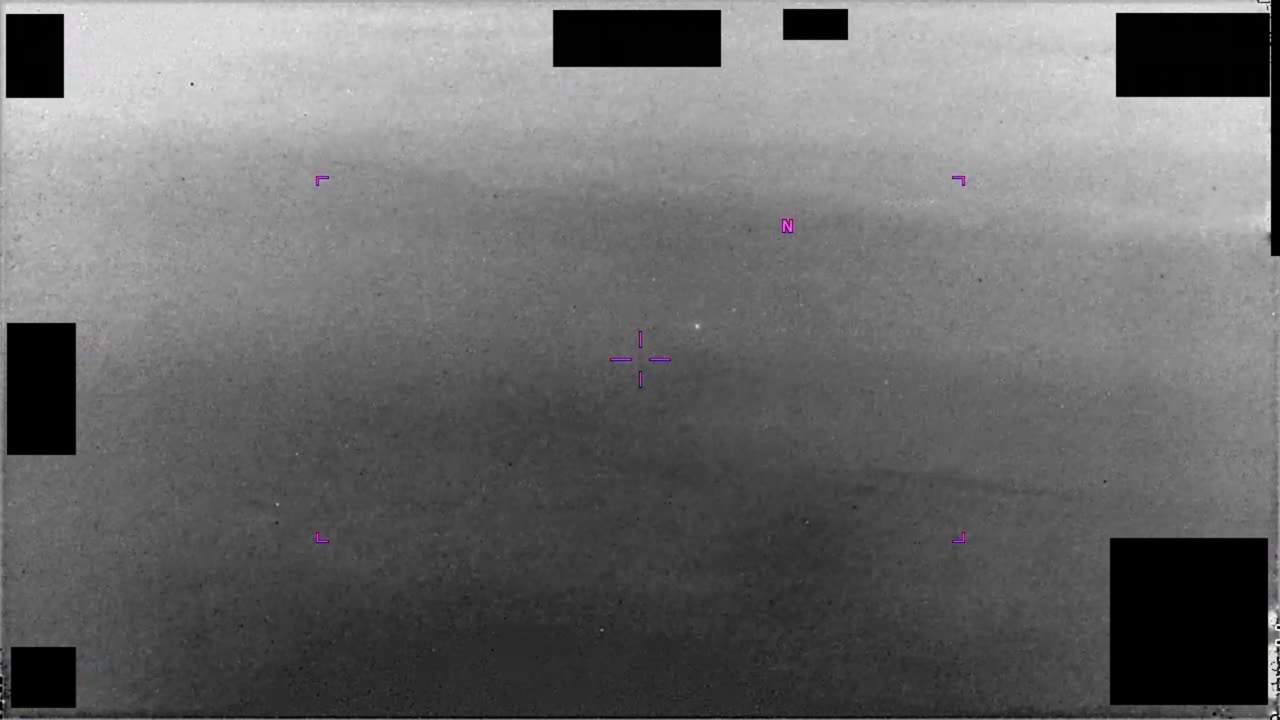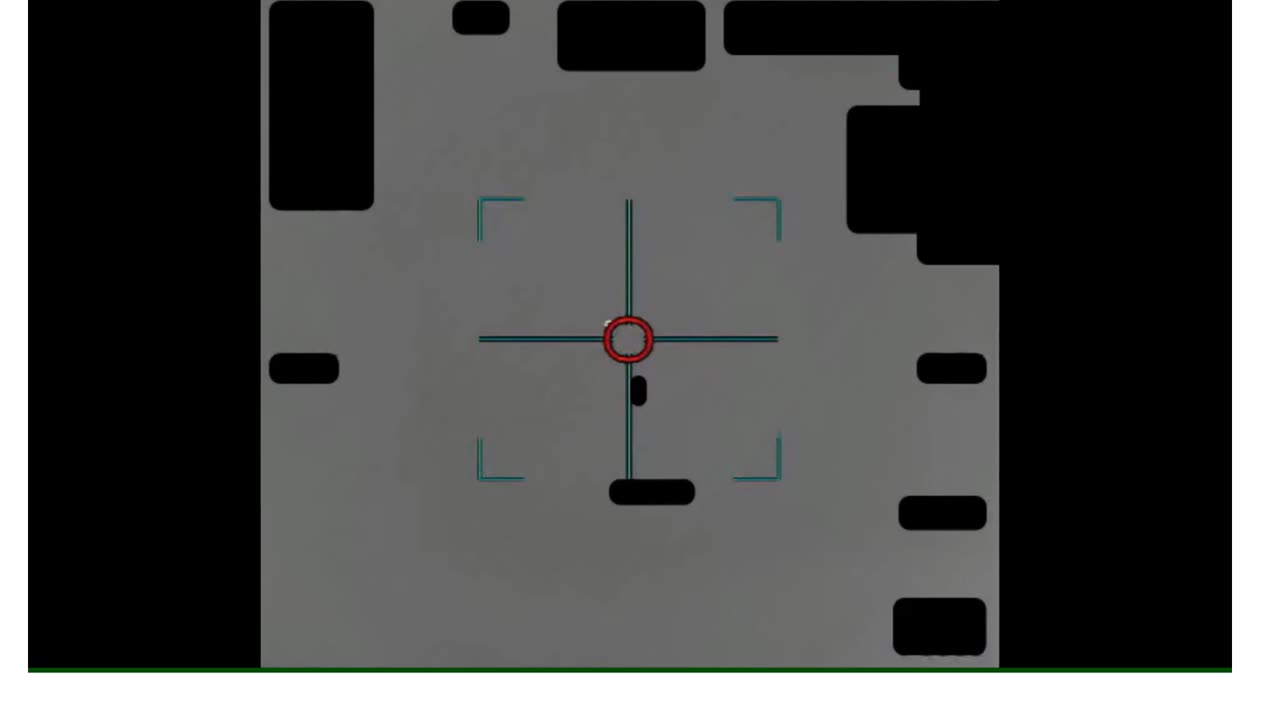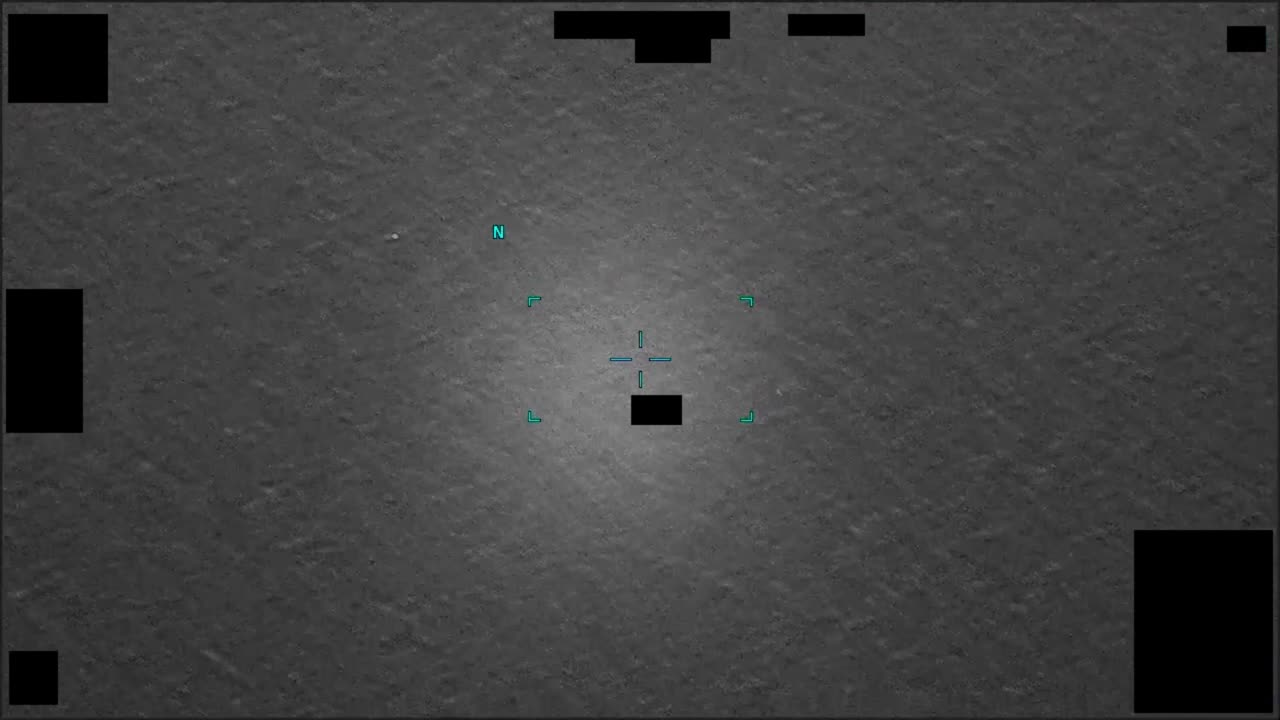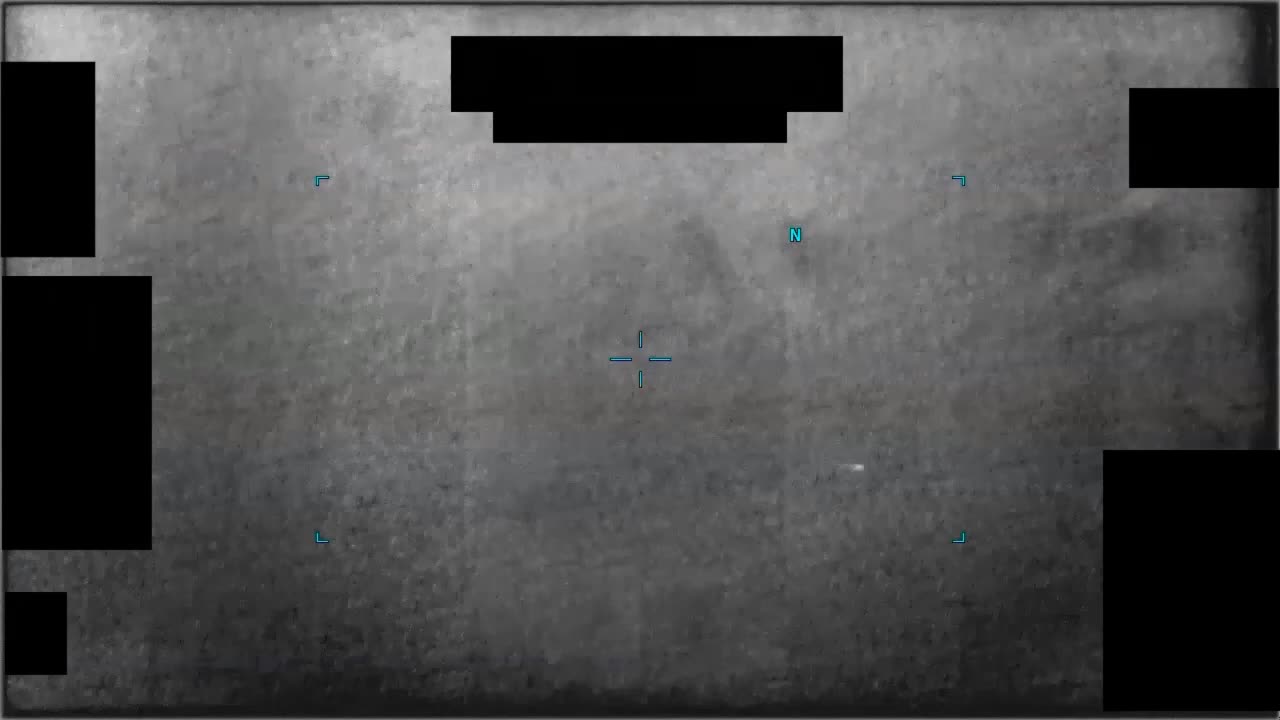
The Department of War’s release of a 90-second UAP video from a Middle Eastern mission last August has landed with a thud in some corners of the defense community. It is the third such release under the PURSUE policy, which began in 2023. The footage shows an object with no visible propulsion or control surfaces, tracked by a sensor suite on an aircraft using the callsign “Callsign.” The Pentagon calls it PR88. No explanation was offered. No identification was made.
For the All-domain Anomaly Resolution Office, known as AARO, this is now routine work. The office sits inside the Office of the Secretary of Defense. Its job is to coordinate with military branches, scrub the material for operational security risks, and then hand it over for public release. That process took roughly 20 months for this video. The previous two releases—a 2022 incident over Syria and a 2023 sighting near a naval vessel in the Pacific—followed a similar timeline. AARO has not said how many other cases are in its pipeline.
The absence of a definitive explanation carries weight. The object held a steady flight path. No propulsion. No control surfaces. That language echoes descriptions from earlier Pentagon reports on UAPs. It also feeds a growing public record that, release by release, is beginning to form a pattern. Skeptics argue the footage proves nothing beyond the limits of current sensor technology. Believers see a deliberate drip-feed of evidence. The Department of War, for its part, insists the releases are about transparency, not confirmation.
The PURSUE policy mandates periodic declassification of UAP material. That mandate is the only reason the public sees these videos at all. Before 2023, such footage rarely left classified channels. The policy shifted that. But the releases remain carefully controlled. Each one undergoes a rigorous review process to verify authenticity and protect sources and methods. The Pentagon has not said how many videos exist in total, or how many will eventually see daylight.
The 2024 Middle East video was captured during a routine mission. That detail matters. It suggests UAP encounters are not rare events tied to specific high-stakes operations. They happen during regular flights. The platform involved used the callsign “Callsign”—a generic identifier that offers no clue about the aircraft type, unit, or mission. That opacity is intentional. Operational security concerns drove the choice to keep the callsign vague.
What comes next is unclear. AARO has not announced a timeline for the next release. The Pentagon has not signaled any change in policy. The public record now contains three declassified UAP videos under PURSUE. Each one raises more questions than it answers. The object in the latest footage remains unidentified. The sensor data remains unexplained. The steady flight path remains a fact without a cause.
The Department of War has stated its commitment to transparency. That commitment produced the video. It produced the metadata in the filename, which notes an unspecified altitude and range. It produced the accompanying report, which does not identify the object. Transparency, in this case, means showing what the military saw without claiming to know what it was. That may be the most honest outcome possible. It is also the most unsatisfying.