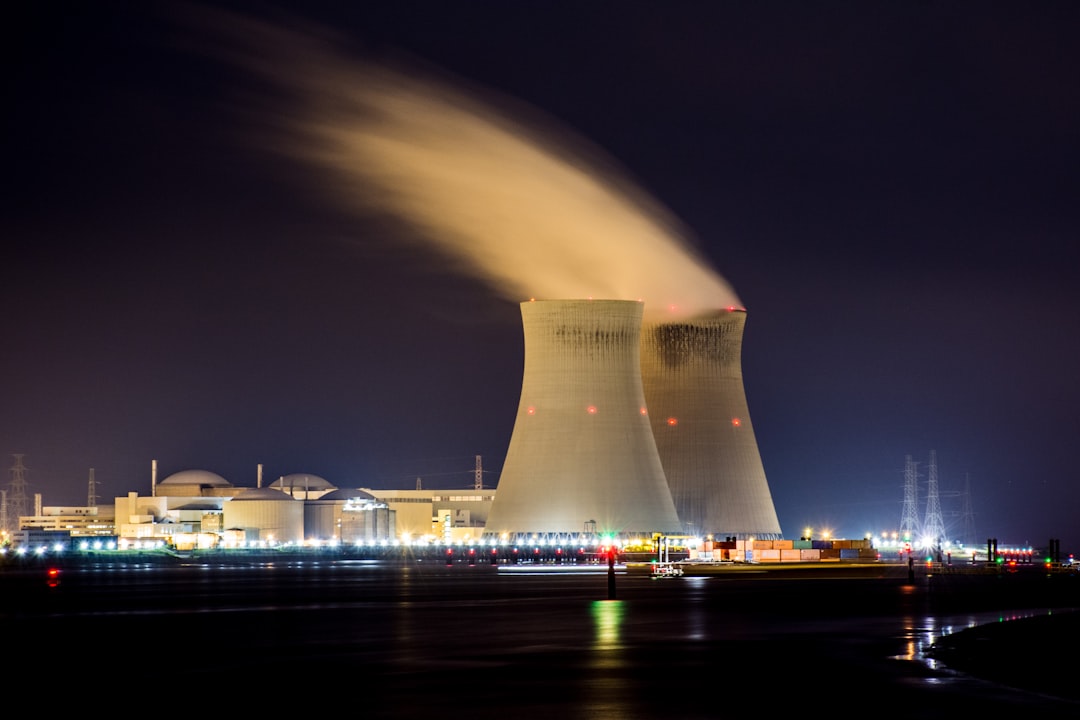
AGL Energy’s demolition of the Liddell power station chimney stacks last month was more than a spectacle. The two towers, each roughly 5050 feet tall, collapsed in a controlled fall. Heavy machinery did the work. What fell was not just concrete and steel. What fell was a piece of Australia’s energy past.
The Liddell plant had been decommissioned three years after its initial closure announcement. That three-year gap tells a story. Coal plants do not shut down overnight. They wind down. Workers leave. Equipment is sold. Then, finally, the chimneys come down.
This particular demolition marks a clear point in Australia’s shift away from coal. The country has been pursuing renewable energy options. AGL Energy has been at the forefront of that transition. The company has been investing in renewables and gradually decommissioning its coal-fired plants. Liddell was one of them.
The chimney stacks were a prominent feature of the power station. For decades, they were visible from miles away. They stood for something. They stood for coal power. Now they are gone. Their absence is a visual statement. The skyline changed.
Attention now turns to the redevelopment of the site. The report notes potential for new renewable energy projects in the area. That is the next step. A coal plant site becomes something else. Solar panels. Battery storage. Wind turbines. Maybe something else entirely. The land does not sit empty forever.
This is not an isolated event. The demolition of Liddell is part of a broader trend in Australia. Coal-fired power plants are being phased out. The country has been actively pursuing cleaner energy sources. Reducing reliance on coal is a national strategy. Carbon emissions are the target. Cleaner energy is the goal.
Some might look at the falling chimneys and see loss. Others see progress. AGL Energy sees both. The company owned the plant. It also owns the future of the site. The same company that built the chimneys knocked them down. That is the nature of the energy business. Assets age. Technologies change. Companies adapt.
The demolition itself was a precise operation. Hefty machinery was used. The chimneys did not fall by accident. They were brought down deliberately. Engineers planned it. Workers executed it. The result was a cloud of dust and a cleared space.
Australia’s energy transition is not abstract. It is physical. It is measured in demolished chimneys and decommissioned plants. It is measured in new solar farms and wind turbines. The Liddell demolition is one data point in that measurement. A visible one.
The country has a long way to go. Coal power does not disappear overnight. But the trajectory is clear. The chimneys are down. The site will be redeveloped. The energy mix will change. That is the story the report tells. That is the story that happened last month in New South Wales.
AGL Energy remains a key player. The company’s efforts are part of a larger national strategy. That strategy is about reducing carbon emissions. It is about promoting cleaner energy sources. It is about building a more sustainable energy future. The Liddell demolition is a step in that direction.
The chimneys are gone. What comes next is the hard part. Building the new energy system. Redeveloping old sites. Investing in renewables. The demolition was the easy part. The real work starts now.