BEIJING — The line between machine and human just got blurrier. And that has ethicists, engineers, and everyday people asking hard questions about what comes next.
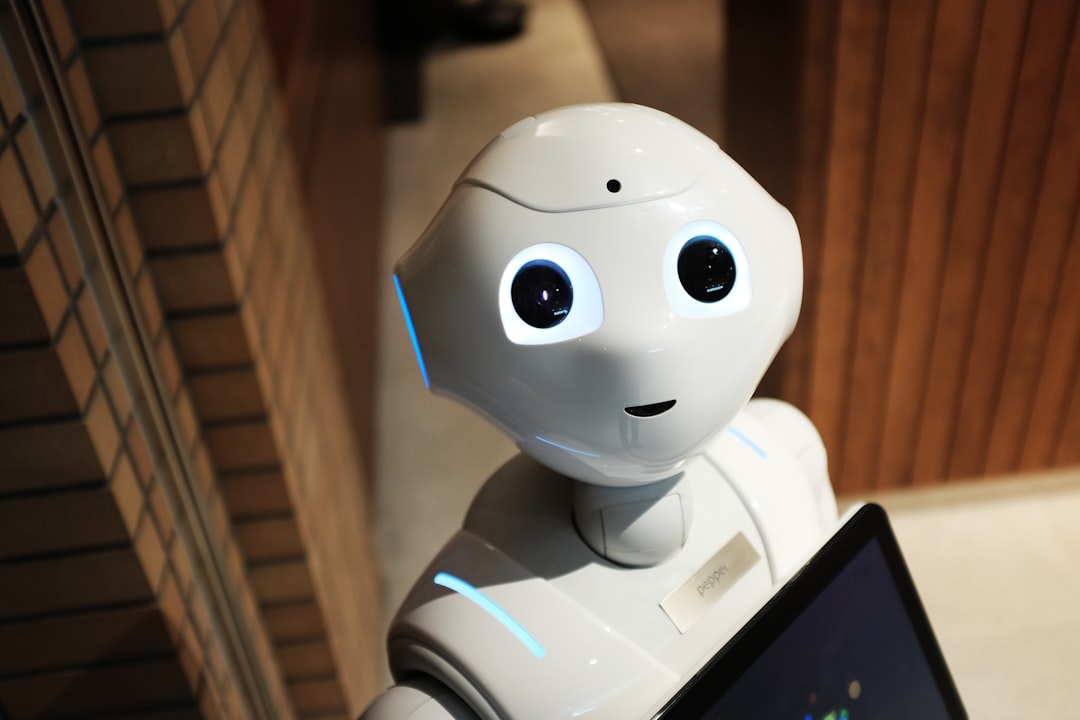
Chinese engineers at Shouxing Technology, led by founder Yuhang Hu, have demonstrated a lifelike female robot face so realistic it took social media by storm. The demonstration suggests such hyper-realistic faces are no longer science fiction. They are here.
Now the fallout begins.
Supporters see a clear upside. Convincing robot faces could make machines more approachable in service and care settings. An elderly patient might trust a robot caregiver that looks human. A hotel guest might prefer a front-desk android that smiles like a person. The potential for more effective human-robot interactions is real. Chinese firms have become increasingly prominent in the global race to advance humanoid robotics. Shouxing Technology is a notable example of that progress.
But critics see a darker side.
The core fear is deception. If a robot looks almost indistinguishable from a human, when should it announce what it is? In what situations is it acceptable for a machine to pass as a person? The demonstration has forced these questions into public view. Consent is the flashpoint. A person who interacts with a humanoid robot without knowing it is a robot cannot give informed consent to that interaction. That matters in care settings. It matters in sales. It matters in any situation where trust is involved.
The uncanny valley — that eerie discomfort people feel when something looks almost but not quite human — may not save us. If the faces are realistic enough, the valley disappears. And with it, our natural guard against being fooled.
What happens next will be crucial. The technology is already within reach of today’s robotics industry. That means the debate is not theoretical. Companies are deciding now how to use these faces. Regulators are watching. The public is reacting.
Yuhang Hu and Shouxing Technology represent one front in a broader global competition. Chinese firms have become increasingly prominent in humanoid robotics. The work done in Beijing is a clear signal that the country intends to lead in this field. Other nations are racing to catch up or stay ahead.
The ethics are unsettled. No clear rules exist for when a robot must disclose its nature. No standards govern how realistic a face can be before it crosses a line. Experts are debating the implications of creating robots that are almost indistinguishable from humans. Those debates will shape policy, product design, and public acceptance.
For now, the demonstration stands as a milestone. A lifelike female robot face drew wide attention for how closely it resembled a real human. That attention is not fading. It is growing. And with it, the pressure to decide what we want from machines that look like us.
The technology is not going backward. The faces will get better. The debates will get harder. The consequences will touch everyone — from the elderly person assigned a robot caregiver to the consumer who cannot tell if the voice on the phone is human or code.
That is the world Shouxing Technology has accelerated. And it is the world we now have to navigate.