
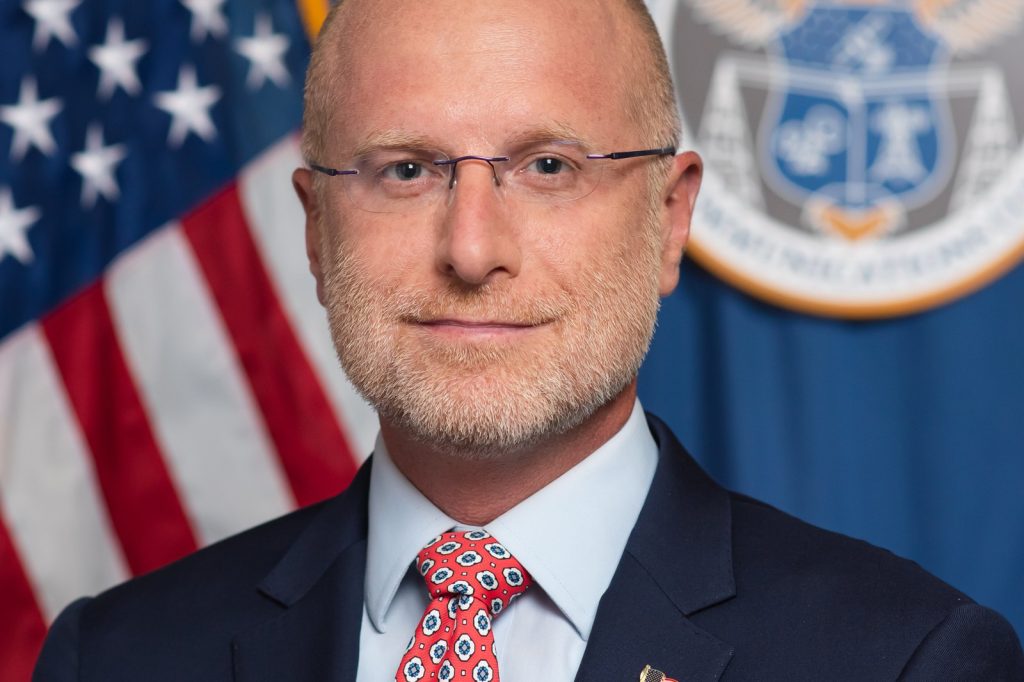
WASHINGTON, September 6 — Inside the Federal Communications Commission, the air is charged with something sharper. Chairman Brendan Carr is drawing battle lines over what broadcasters can and cannot say on the public airwaves, and the implications ripple through newsrooms from here to New York. Carr told Fox News that the agency is weighing possible action against television broadcasters, a declaration that landed with force after President Donald Trump demanded that NBC “Meet the Press” host Kristen Welker be reported to the FCC for rebuke or punishment.
The president’s fury stemmed from Welker’s reporting that his primary endorsements had produced mixed results. “I think President Trump is over the target, and we’re looking at a lot of actions,” Carr said.
The chairman argued that broadcast networks hold licenses to operate in the public interest and “not some sort of narrow partisan interest,” adding that Trump was right to question what he called partisan coverage. Yet Carr stopped short of announcing a formal investigation into Welker or NBC. The distinction matters.
The FCC licenses individual broadcast stations rather than national networks directly, and any move against a licensee would face legal challenge and a lengthy administrative process. The confrontation deepens an already raw divide.
Supporters of Carr’s stance argue that broadcasters using public airwaves should be held to a genuine public-interest standard and that fabricated polling can mislead voters. Press-freedom advocates and Democrats counter that an FCC chairman signaling actions against a network over its political coverage raises serious First Amendment concerns and risks using regulatory power to pressure journalists.
Carr also said the FCC may soon issue guidance reminding broadcasters of their obligations regarding what he termed “fake polls.” The issue gained attention in August after Rahil Prakash, a recent college graduate, set up a fabricated polling firm and published invented survey numbers that some outlets ran without verifying. The episode exposed vulnerabilities in how polling data gets vetted before reaching viewers, particularly when aired in ways that could suppress public confidence or discourage turnout ahead of the fall elections.
The timing is deliberate. With fall elections approaching, the chairman’s remarks sharpen an escalating confrontation between the Trump administration and major broadcast news organizations over coverage, polling, and the limits of federal authority over the airwaves. What emerges now is a likely fight over where regulation of the public interest ends and protected speech begins. On the ground, the scene is one of newsroom lawyers poring over broadcast licenses and constitutional precedent.
Residents describe a capital where regulatory threats and press freedom are colliding in real time. By nightfall, the question hanging over Pennsylvania Avenue is whether Carr’s words translate into formal action — or whether they serve as warning enough.




