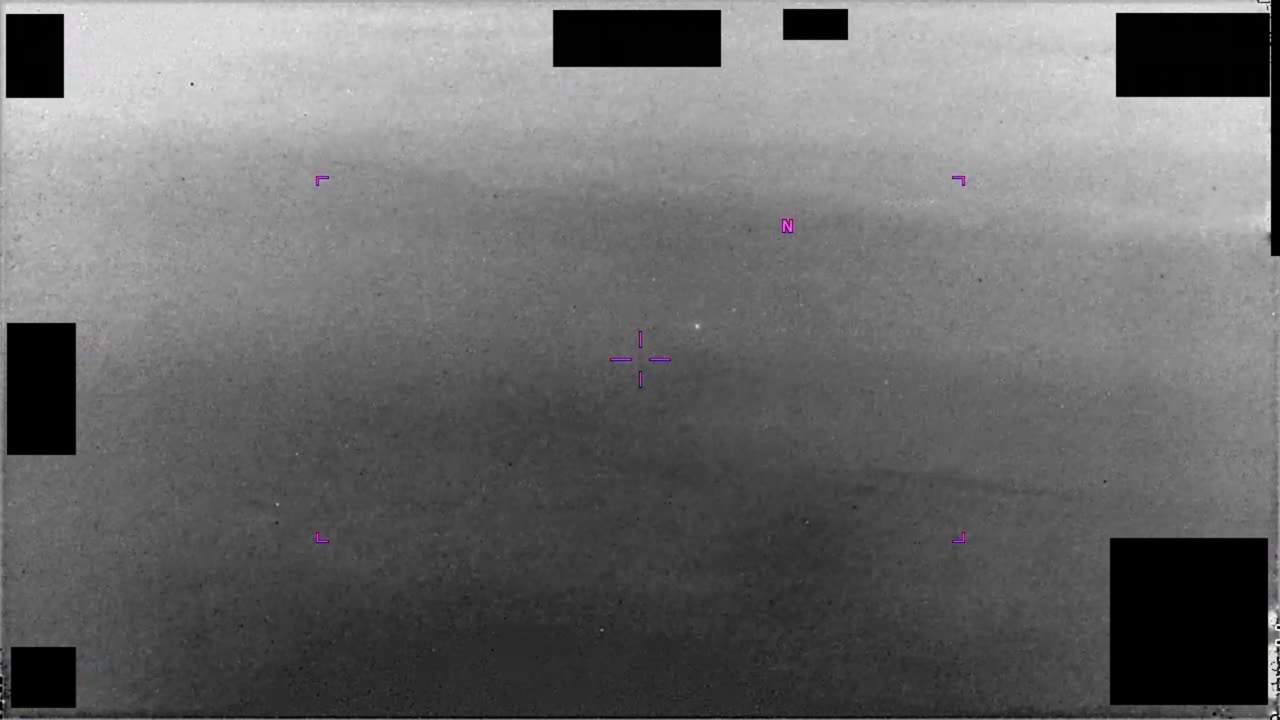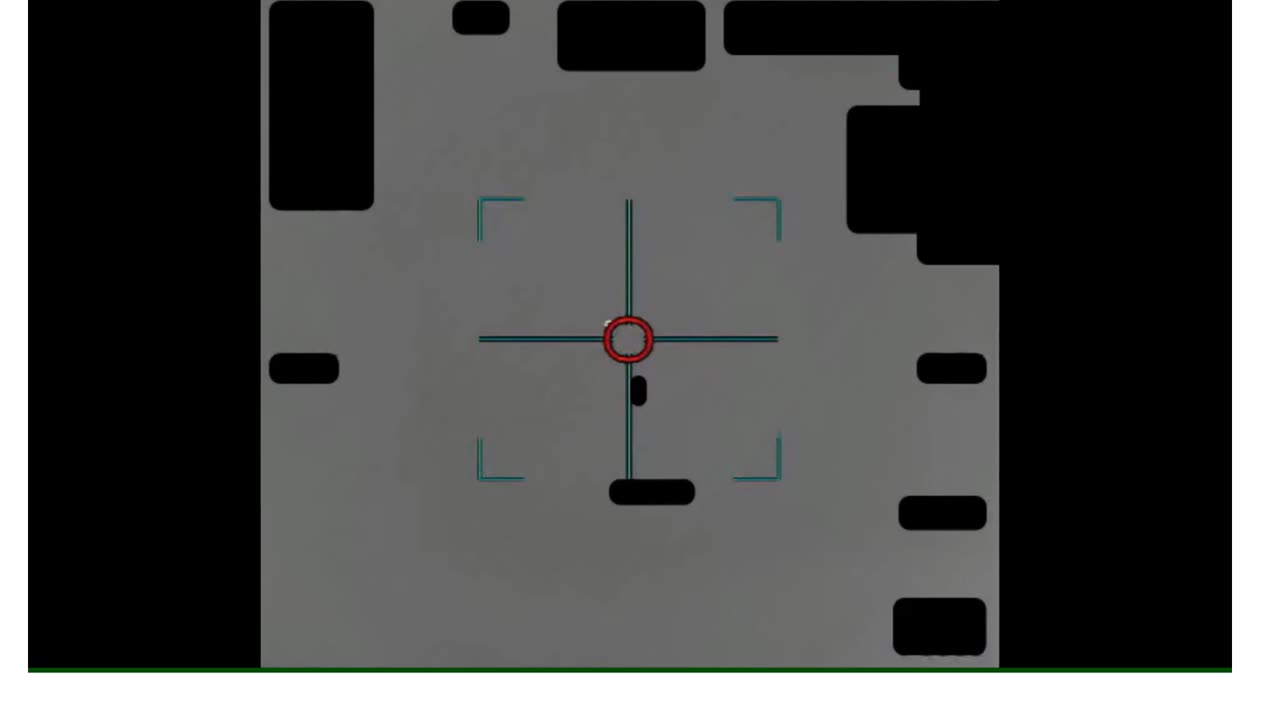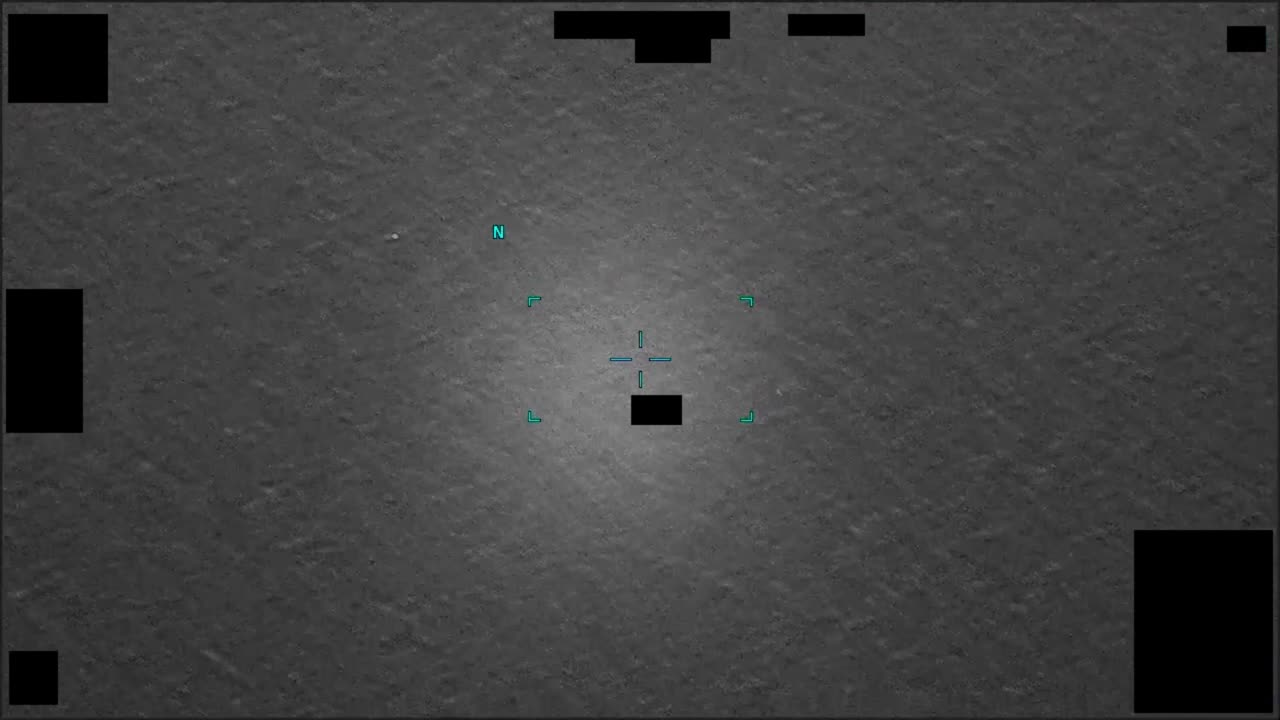
The U.S. Department of War has released a document from August 2020 detailing a nighttime encounter between a Navy pilot and three unidentified aircraft over the North Arabian Sea. The report, filed under the PURSUE archive on May 8, 2026, is a standardized form used by the Navy to log intrusions into controlled airspace during active operations or training. The incident itself lasted only minutes, but its documentation carries weight for what it reveals about detection gaps and reporting procedures.
The pilot, an O-3 assigned to squadron HSM-73, detected the first contact at 00:04:30 Zulu. It was night. The object was on a westerly heading. The pilot lost sight of it behind a cloud. When visual contact returned, two more objects had appeared to the east. All three held their course, speed, and altitude. The operator never achieved a tally—no direct visual acquisition of the objects. The radar trackfile was unstable.
The form’s checklist tells a story of its own. The operator checked “wings/airframe” for the structure. He checked “Metallic” for appearance. He checked “Other Shape.” He left boxes for “Balloon-shaped,” “Translucent,” “Opaque,” “Reflective,” and “Markings” unchecked. That pattern—metallic, structured, other-shaped—fits a category of reports that have puzzled military analysts for years. It is not a weather balloon. It is not a commercial drone. The operator had no explanation.
This document is one piece of a larger puzzle. The PURSUE archive, which released it, is part of a broader push by the Department of War to declassify and centralize records of unidentified aerial phenomena. The archive contains hundreds of similar forms. Each one is a data point. Each one represents a moment when a trained operator—someone whose job is to distinguish friend from foe—could not identify what was in the airspace.
The Arabian Sea incident touches on a specific vulnerability. The North Arabian Sea is a busy stretch of water. The U.S. Navy conducts operations there. So do allied navies. So do commercial ships. So, potentially, do others. An unauthorized aircraft in that airspace is not a curiosity. It is a security problem. The fact that three objects appeared, maintained formation, and then presumably departed without being identified or engaged raises questions about airspace awareness.
The document does not say what happened after the contacts were lost. It does not say whether a search was conducted. It does not name the pilot or the ship. It is a form. It records what was seen, when it was seen, and what the operator thought about it. That is all. But for those tracking UAP incidents, the pattern is familiar. Night. Multiple objects. Stable flight. Metallic appearance. No radar lock. No identification.
The release of this document under the PURSUE archive means it is now public. Researchers will compare it to other reports from the same region and time period. They will look for correlations. They will note that the squadron—HSM-73—operates MH-60R Seahawk helicopters, which carry advanced sensors. The pilot had those sensors. They still could not get a stable trackfile.
What comes next is more documents. The PURSUE archive is ongoing. More forms will be released. More incidents will become public. Each one adds pressure on the military to explain what is happening in its own airspace. The Arabian Sea report, filed four years ago, is now part of that accumulating record. It is a small thing—a few boxes checked on a form—but it is a fact. And facts, once released, do not disappear.