
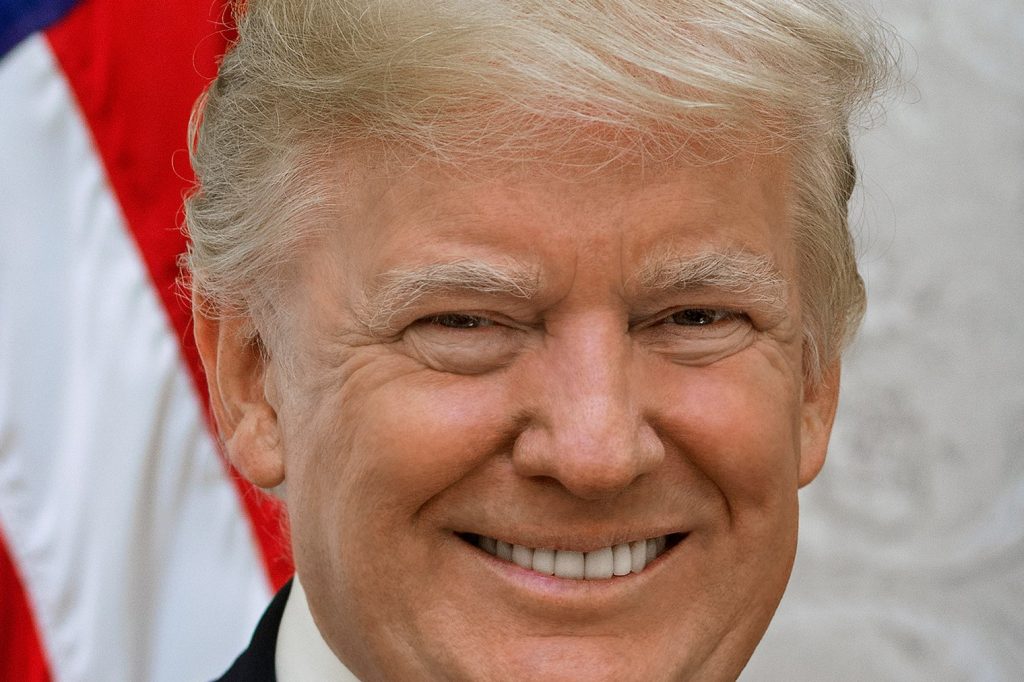
“The most evil and heinous abuse of power in the history of our country.” That was how Donald Trump described the federal charges against him after pleading not guilty in a Miami courtroom in June 2023. “I had every right to have these documents,” he told supporters at his golf club in Bedminster, New Jersey.
The indictment, filed under seal on June 8 and unsealed the next day, came from special counsel Jack Smith’s office. It was the first federal indictment of a former U.S. president. Smith gave a short statement stressing the seriousness of the charges and said his office would seek a speedy trial.
The charges
The original indictment carried 37 counts against Trump and six against his valet and aide, Walt Nauta. Among the counts were willfully retaining national defense information under the Espionage Act, making false statements, obstruction of justice and conspiracy to obstruct justice. Each retention count covered a separate document. According to the indictment, the documents concerned U.S. nuclear weapons, foreign military capabilities, plans for possible retaliation after a foreign attack and other sensitive material.
Photographs in the indictment showed boxes of classified material in a ballroom, a bathroom and shower, an office, a bedroom and a storage room at Mar-a-Lago. It also included a transcript of an audio recording from a July 2021 meeting at Bedminster, in which Trump is heard showing a military document. “This is secret information,” he says. “As president I could have declassified, but now I can’t.”
Trump later told Fox News’ Bret Baier there was no document. “That was a massive amount of papers and everything else talking about Iran and other things,” he said, adding that these were newspaper and magazine stories.
A superseding indictment on July 27 added Carlos De Oliveira, Mar-a-Lago’s maintenance chief, and three more counts against Trump, bringing his total to 40. The new counts included an Espionage Act charge tied to the Iran document and two over an alleged effort to delete surveillance footage. The most serious charges against Trump and Nauta carried a maximum of 20 years in prison, with no mandatory minimum.
How the case began
The National Archives retrieved 15 boxes from Mar-a-Lago in January 2022 and found classified material in them. The FBI opened an investigation on March 30. A grand jury subpoenaed remaining documents in May, and Trump certified on June 3 that he had returned everything. Prosecutors said he had not.
In August 2022 the FBI searched Mar-a-Lago and recovered over 13,000 government documents, over 300 of them classified. Attorney General Merrick Garland named Smith special counsel in November 2022.
Court dates and the end of the case
Trump was arraigned on June 13, 2023, and Nauta on July 12. De Oliveira was arraigned August 15. All pleaded not guilty. U.S. District Judge Aileen Cannon, a 2020 Trump appointee, was assigned the case and set a trial for May 20, 2024. She postponed it, and on July 15 dismissed the case, ruling that Smith’s appointment was unconstitutional.
Smith appealed, then moved to wind the case down after Trump’s election in November 2024, citing a long-standing Justice Department policy against prosecuting a sitting president. The appeal against Trump was dismissed without prejudice on November 25. The charges against Nauta and De Oliveira were dismissed with prejudice on January 29, 2025.
Sources
- Federal prosecution of Donald Trump (classified documents case) – Wikipedia
- Timeline: Special counsel's investigation into Trump's handling of classified documents
Sources
- Federal prosecution of Donald Trump (classified documents case)
- Timeline: Special counsel's investigation into Trump's handling of …




