
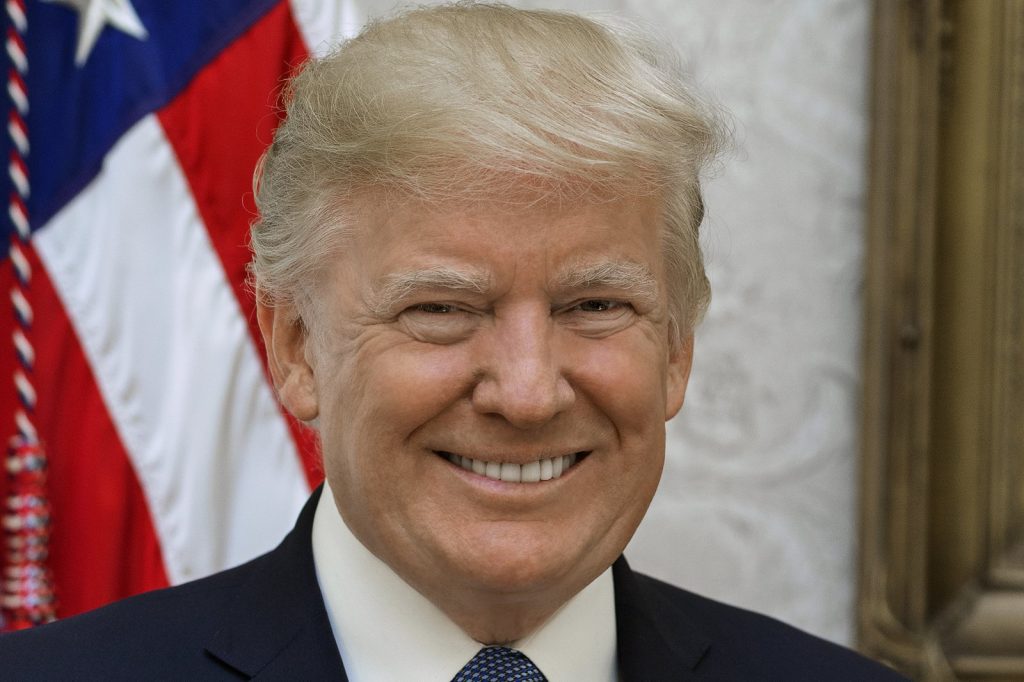
On August 19, 2020, President Donald Trump addressed the nation from the White House press briefing room and urged Americans to wear face coverings whenever social distancing could not be maintained. The appeal arrived after months of contradictory messages from the White House, where medical advisers repeatedly advocated for masks while the president publicly expressed doubt about their effectiveness.
Just hours before the briefing, Trump told Fox News that he did not believe universal mask‑wearing would instantly eliminate the virus. He then entered the press room and reversed course, recommending that people wear masks in situations where keeping a safe distance was not possible. The shift was significant, but it came at a time when the United States was still experiencing a surge of infections, with tens of thousands of new cases reported each day.
Members of the White House Coronavirus Task Force—including Dr. Anthony Fauci, Dr. Deborah Birx and CDC Director Dr. Robert Redfield—had been urging mask compliance for weeks. Redfield even suggested that if the entire population adopted masks, the outbreak could be brought under control within one to two months, highlighting masks as the single most powerful tool available.
Earlier in the pandemic, the administration cited shortages of N95 respirators and surgical masks as a reason for a cautious approach to public mask use. By August, however, production of medical‑grade masks had increased, and cloth face coverings were widely available, weakening the supply‑chain argument that had previously been used to temper the president’s stance.
The August 19 briefing marked the first time Trump explicitly called for broad mask usage in a public setting. By acknowledging that earlier guidance had been influenced by supply concerns, the administration effectively admitted a change in strategy. This reversal underscored the difficulty of reconciling prior mixed messages with a new, unified public‑health directive.
During the preceding months, Americans received conflicting signals from the nation’s highest office. Some state governors imposed mask mandates, while others resisted them, turning mask‑wearing into a politicized symbol rather than a straightforward health precaution. The president’s earlier downplaying of masks contributed to this polarization, and a single press conference could not instantly erase months of skepticism.
The briefing also highlighted the gap between the task force’s recommendations and the president’s unscripted remarks. While Fauci, Birx and Redfield consistently promoted mask use, Trump had not done so publicly until this moment, giving some citizens a rationale to ignore expert advice.
By the time of the address, the pandemic had claimed more than 170,000 lives in the United States. Hospitals in parts of the South and West were strained, and the economic impact remained severe. With autumn approaching—a season that drives people indoors and facilitates viral spread—the timing of the president’s endorsement was seen as crucial, even if it arrived later than many public‑health officials had hoped.
Whether the public will respond to the new directive remains uncertain. A single statement cannot fully counteract the earlier mixed messaging, nor can it instantly depoliticize mask‑wearing or compel compliance in states where leaders have opposed mandates. Nevertheless, the president’s call represents a necessary step in the broader effort to curb transmission as the country moves toward winter.




