
LA RESTINGA, November 7, 2026 — Maritime rescue services pulled 3,261 migrants from the Atlantic in the first six days of November, a pace that has pushed the Canary Islands’ reception system to what regional leader Fernando Clavijo called an “absolutely unsustainable” breaking point. The surge, concentrated on the tiny island of El Hierro, has forced authorities to divert buses and fly in medical staff from neighbouring islands to cope.
A Gateway Shaped by Geography and History
The Canary Islands sit roughly 100 kilometres off the northwest coast of Africa, a volcanic archipelago that has long served as a geo-strategic bridge between Europe, the Americas and the African continent. For centuries they were known as the Fortunate Isles, a waypoint for explorers and trade winds. Today, that same position makes them the southernmost border of the European Union, a frontier where the obligations of international asylum law meet the reality of a perilous ocean crossing.
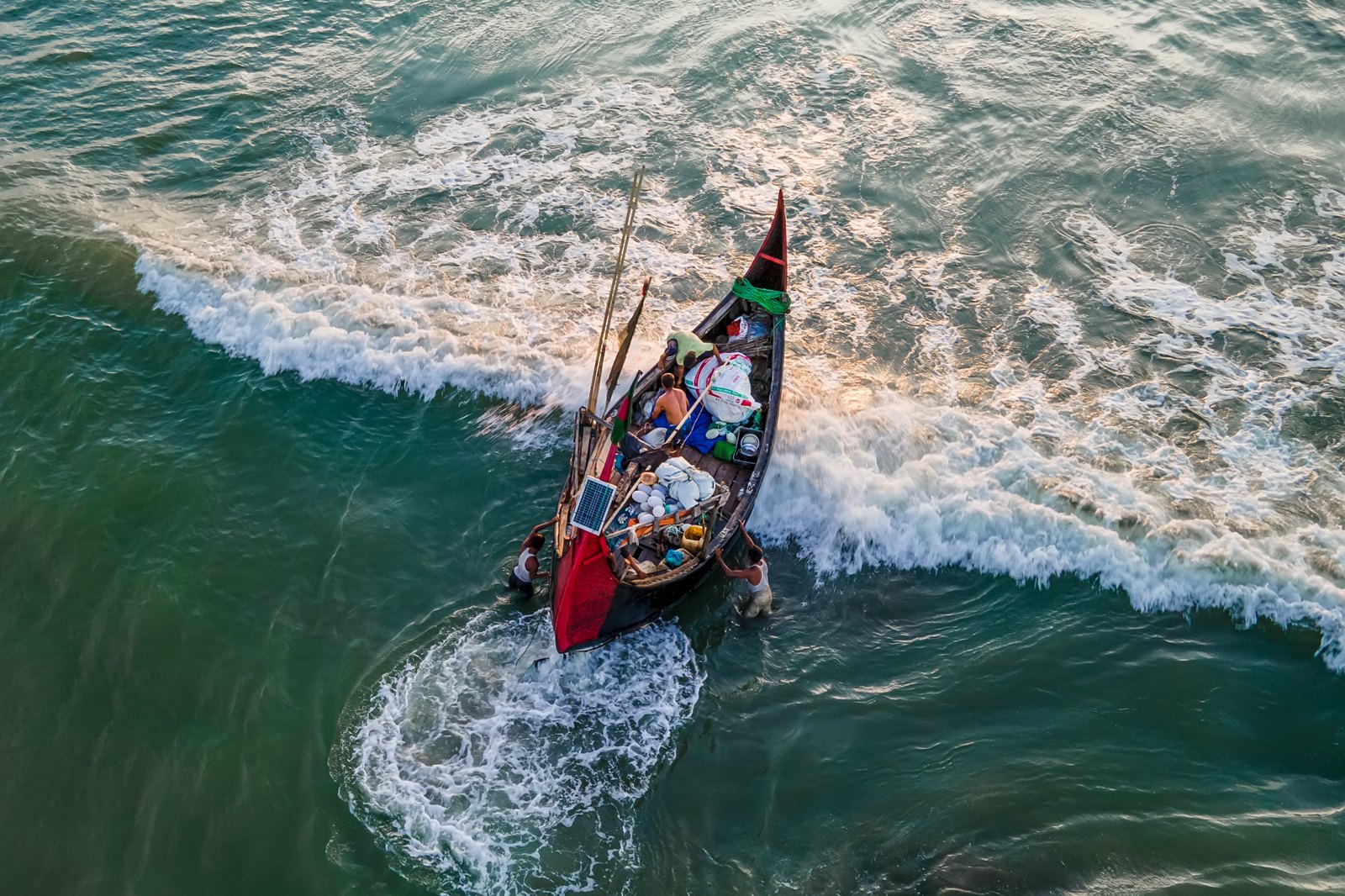
The Atlantic route from West Africa is considered one of the world’s deadliest migration crossings. Migrants board fragile wooden boats — cayucos and pateras — for voyages that can stretch beyond 1,600 kilometres. They depart from Senegal, Mauritania, Gambia, Mali and Morocco, driven by hunger, war, poverty and exploitation. Many spend weeks at sea, exposed to rough currents and the risk of capsizing, before they reach Spanish waters.
The Autumn Window and the Push from West Africa
Against this backdrop, the rhythm of departures is dictated as much by the ocean as by politics. Attempted crossings typically pick up in the autumn months, when sea conditions along the route are generally calmer and more favourable. Regional authorities say the current surge is being fuelled by precisely this seasonal window; Clavijo noted that calm seas have triggered a sharp uptick in launches from the African coast.
The numbers bear out the pattern. In October, the islands received 6,194 migrants by sea, nearly five times the figure recorded in the same month last year, according to Interior Ministry data.
El Hierro: A Small Island Bearing a Heavy Load
The strain is not distributed evenly. El Hierro, the westernmost and smallest of the main islands, is home to about 11,400 residents. In early November it bore the brunt of the arrivals, with over 2,300 people brought ashore — among them 307 minors and 11 babies, according to tallies cited by Spanish news agency EFE. Most had departed from Senegal.
Overnight between Thursday and Friday, rescuers brought at least 1,021 people to El Hierro, Gran Canaria and Lanzarote. One migrant was recovered dead. The island’s health services are under acute pressure; medical personnel have been transferred from other islands, and buses have been diverted from regular routes to handle transport from the port of La Restinga. Dozens of local residents protested there on Friday, arguing that authorities have abandoned the island. “We are here because everyone looks the other way,” one protester told local broadcaster RTVC, adding that the failure to act leaves people arriving in precarious conditions.
Madrid and Brussels: The Search for a Response
Clavijo has requested an urgent meeting with Spanish Prime Minister Pedro Sánchez, calling for additional resources, closer coordination and greater European involvement. The situation, he warned, is approaching the record-breaking levels of 2024, and on some days the current pace is even higher. “All indications suggest that the situation is going to get worse,” he said.
At least nine migrants have died off the islands in recent weeks, and a critically ill baby was airlifted to hospital upon arrival. Reuters footage from La Restinga showed hundreds of migrants gathered at the dock after salvage teams rescued about 500 people from two boats on Thursday night. The pressure on the archipelago, the EU’s southernmost outpost in the Atlantic, remains immediate and unresolved.
Sources
- Canary Islands
- Pope Leo XIV in Canary Islands: “Dignity has no passport”
- Migrants arrive in Spain’s Canary Islands after being rescued at sea
- More than 1,000 migrants brought ashore in Spain’s Canary Islands overnight, 1 dead
- Canary Islands storm triggers power outage while Tenerife hit with snow
- Migrant surge to Spain's Canary Islands is unsustainable, authorities say
Photo: Aurore Martignoni / European Union, 2023 / EC – Audiovisual Service (CC BY 4.0)