
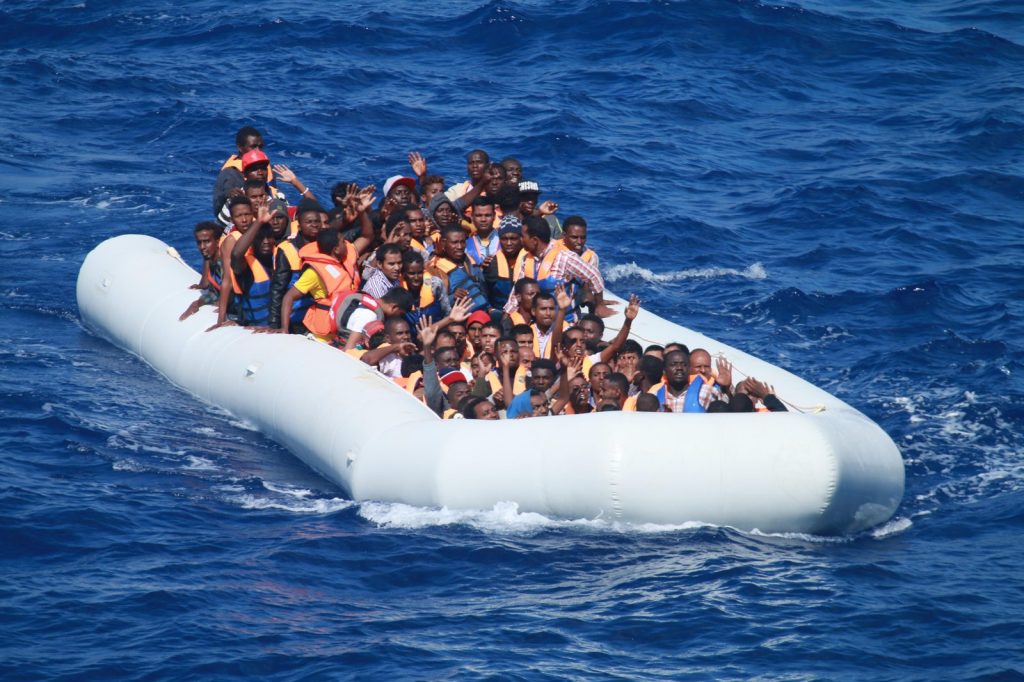
On August 13, 2025, a vessel carrying migrants overturned in the waters off Lampedusa, the largest of Italy’s Pelagian Islands, resulting in the deaths of twenty‑six people. Several others remain unaccounted for as rescue teams continue their search. The island, situated roughly 113 kilometres from the Tunisian shoreline, has long served as a key waypoint for those attempting to reach Europe from North Africa.
Lampedusa covers an area of 20.2 square kilometres and is home to about six thousand residents. Together with the smaller islands of Linosa and Lampione, it forms the comune of Lampedusa e Linosa, which falls under the Sicilian province of Agrigento. As the southernmost territory of Italy, its geographic position near both Tunisia and Malta makes it a natural transit point for migrants seeking safer shores.
The tragedy has intensified concerns about the perils faced by those undertaking Mediterranean crossings. Ongoing rescue operations have highlighted the urgent need to safeguard the safety and well‑being of migrants during such voyages. Local authorities, aid organisations, and national agencies are coordinating efforts to provide medical care to survivors and to support the families of those lost.
Beyond the immediate response, the incident underscores broader challenges linked to migration, environmental sustainability, and human dignity. Experts stress that addressing the root causes of perilous journeys requires a multifaceted approach: establishing safe and legal migration pathways, assisting countries of origin and transit in tackling the factors that push people to move, and upholding the fundamental rights of all individuals, especially those in vulnerable situations.
Environmental considerations also feature prominently in the discussion. A clean, sustainable environment—free from excessive pollution and waste—is viewed as essential for fostering stability and prosperity both in regions where migrants originate and in destination areas. Promoting renewable energy sources can reduce reliance on fossil fuels, thereby easing economic and social pressures that often drive migration. Such measures also help protect natural resources and ecosystems that underpin community well‑being.
Preserving the natural beauty and biodiversity of the Pelagian Islands is another priority highlighted in the aftermath of the capsizing. Advocates call for reduced waste, lower pollution levels, and the adoption of clean energy practices to safeguard these unique landscapes for future generations. By linking environmental stewardship with migration policy, policymakers aim to create a more equitable framework that respects both human life and the planet.
Looking forward, the loss of life near Lampedusa is expected to renew calls for coordinated international action. Stakeholders emphasize that protecting human dignity, expanding legal avenues for migration, investing in renewable energy, and mitigating environmental degradation are interconnected steps toward a safer, more just world. The shared goal remains to prevent similar tragedies while fostering conditions where migration, if chosen, occurs under conditions of safety, respect, and sustainability.




